
By Tracy Morin
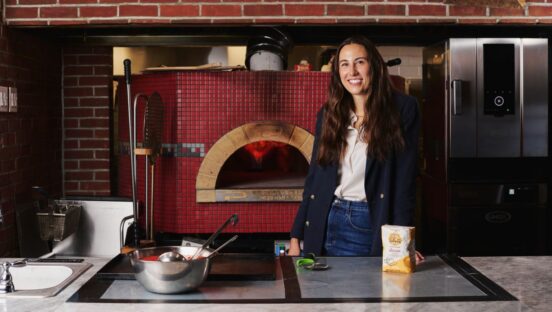
There were a lot of learning moments in PMQ’s July 2026 webinar in conjunction with Women in Pizza, titled Pizza Women On the Rise: Claiming Your Space in the Pizza Community (now available via replay here). The event was co-hosted by me, Tracy Morin (associate editor of PMQ Pizza), and Alexandra “Azie” Mortati, founder of Women in Pizza and VP of marketing at Orlando Foods in Glen Rock, New Jersey. Our powerhouse panel consisted of Giorgia Caporuscio, master pizzaiola and owner of Don Antonio; Erica Bell, lead pizzaiola and general manager at Double Zero Pie & Pub; and Audrey Kelly, owner and pizzaiola of Audrey Jane’s Pizza Garage.
But in just one hour, we couldn’t possibly cover everything our enthusiastic live audience wanted to know. As questions flooded the Q&A, we promised we’d follow up after the event with some answers for anything we couldn’t get to during the live session. And the responses are too good not to share. Here, Mortati addresses those inquiries with insider info that can help pizzeria owners at any stage of their careers—from how to start out and build buzz in the industry to practical steps for keeping the fires of creativity alive as an owner, chef and marketer.
Q: What is the best way to get noticed and get on “best pizza” lists?
Mortati: There’s no formula. The pizza itself has to be great first, but then I think it starts with having a story worth telling and telling it authentically. There are so many great pizzerias today, so you have to understand what makes you different. Why did you open? What do you believe in? What makes your pizza, process, ingredients, team or experience uniquely yours?
Once you know that story, the key is telling it authentically and consistently. Social media, PR, events and collaborations aren’t the story—they’re the tools you use to get that story out there. Build genuine relationships with your local community, other people in the industry, writers and content creators. Participate in events and competitions, collaborate with other chefs and brands, and create moments that introduce your pizza to new audiences. Use social media to give people a genuine look at who you are and what you do. Invest in PR when you can to help your story reach the right media and audiences. And become part of your community rather than operating in a bubble.
Ultimately, I don’t think the goal should be to manufacture buzz just to make a list. Build something people genuinely want to talk about, tell that story well, and create as many authentic opportunities as possible for people to discover it. Don’t underestimate consistency. The places that stay relevant aren’t necessarily chasing press all the time. They’re consistently putting out a great product, telling their story, engaging with the industry and giving people reasons to come back. The recognition tends to follow.
Q: How do you nurture your creativity when you wear so many hats every day?
Mortati: I think wearing many hats can be a huge strength creatively, because it exposes you to so many different perspectives. I might be thinking about branding one minute, talking to a chef or salesperson the next, then working through a product challenge or thinking about the consumer experience. Those different worlds constantly overlap, and sometimes the best ideas come from connecting things that wouldn’t normally be connected. For me, a lot of it comes down to remaining curious and intentionally making time for inspiration. When you’re busy and constantly jumping between priorities, it’s really easy to get stuck focusing only on what’s directly in front of you.
One thing I love doing is organizing marketing inspiration days, where we intentionally get out of our normal environment and go experience things—restaurants, retail stores, different neighborhoods, interesting brands, hospitality concepts, really anything that might spark an idea. And it doesn’t have to be within the pizza or food industry. Some of the best inspiration can come from completely unrelated industries.
I also try to learn as much as I can and ask a lot of questions. If I admire what someone is doing, I want to talk to them and understand how they think. If I see a brand, campaign, experience or piece of content that really resonates with me, I try to go a step further and ask why it resonated. What specifically made me stop? How did it make me feel? Why will I remember it?
I think creativity is less about sitting down and forcing yourself to come up with a great idea and more about constantly collecting inspiration, staying curious, talking to interesting people, and paying attention to what moves you and why. Some of my biggest creative breaks have come from the most unexpected things.
Q: My dream is to work with pizza, but I come from a totally different field. I’m a self-learner, so how should I get started?
Mortati: One of my favorite things about the pizza industry is how open it can be to people who genuinely want to learn. You don’t necessarily need to have gone to culinary school or grown up in a pizzeria.
Start immersing yourself in the industry. Learn about different pizza styles, ingredients, fermentation, ovens and techniques. Take classes, attend industry events, read, watch other pizza makers and, most importantly, make a lot of pizza.
But I would also spend time working alongside people who are better than you. There are things you can learn in a few hours inside a great pizzeria that would take months to figure out on your own.
And don’t discount whatever field you’re coming from. Some of the most interesting people in this industry bring skills from completely different careers. Pizza can be the thing you learn; your existing experience may ultimately be the thing that differentiates you.
Q: How do you cope with not feeling like a boss as a woman—when people don’t listen to you as they would if you were man?
Mortati: I’ve learned that leadership doesn’t have to look like the stereotypical version of a “boss.” You don’t have to become louder, colder or more aggressive just because those are qualities people sometimes associate with authority. I think a lot of it comes down to learning to trust yourself and building confidence in your own voice. You’re not always going to be the loudest person in the room or lead in the same way someone else would, and that doesn’t make you any less effective as a leader.
At the same time, confidence doesn’t mean being afraid to ask for help. I think one of the strongest things you can do as a leader is recognize what you don’t know and surround yourself with people who know more than you in different areas. Ask questions, seek advice, find mentors and lean on people you trust. You can be confident in yourself while still being open to learning from others.
I can’t control someone’s assumptions about me, but I can control how prepared I am, how clearly I communicate and whether I stand behind my decisions. I try not to spend my energy proving that I’m the boss. I focus on being good at my job and making sure I understand the business well enough that when I speak, there is substance behind what I’m saying.
Q: I have a startup pizza vending machine business, and it’s very hard to work with food distribution companies. I’m seeking creative ways to source my par-baked pizza crust.
Mortati: First, I would look into cash-and-carry options with local distributors. Some distributors will allow you to purchase directly from their warehouse without meeting the same requirements you might need for regular delivery. That can be a great way to get started while your volume is still growing.
I’d also recommend working backward from the product you want. If you find a par-baked crust or brand that you really like, reach out to the brand or manufacturer directly. Even if they don’t sell direct, they may be able to tell you which distributors carry their product in your market, make an introduction, or help facilitate getting the product to you. As an importer, we do this all the time—sometimes the brand can help bridge that gap between a smaller operator and the distribution network.
You can also talk directly to regional bakeries, pizza dough manufacturers, co-packers and foodservice manufacturers that may already produce pizza crusts. You may be able to buy directly, arrange a small-volume production run, or even work with someone to develop a proprietary crust as you grow.
And don’t be afraid to explain your concept and where you see it going. Your volume may be small today, but a pizza vending machine business has the potential to scale. The right supplier may see the opportunity in growing alongside you.
Watch the Pizza Women On the Rise: Claiming Your Space in the Pizza Community via replay here.
Tracy Morin is PMQ’s associate editor.