
By Tracy Morin
Photos by Jacquelina Paiva Photography
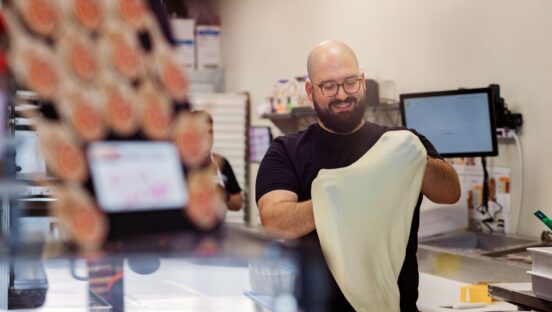
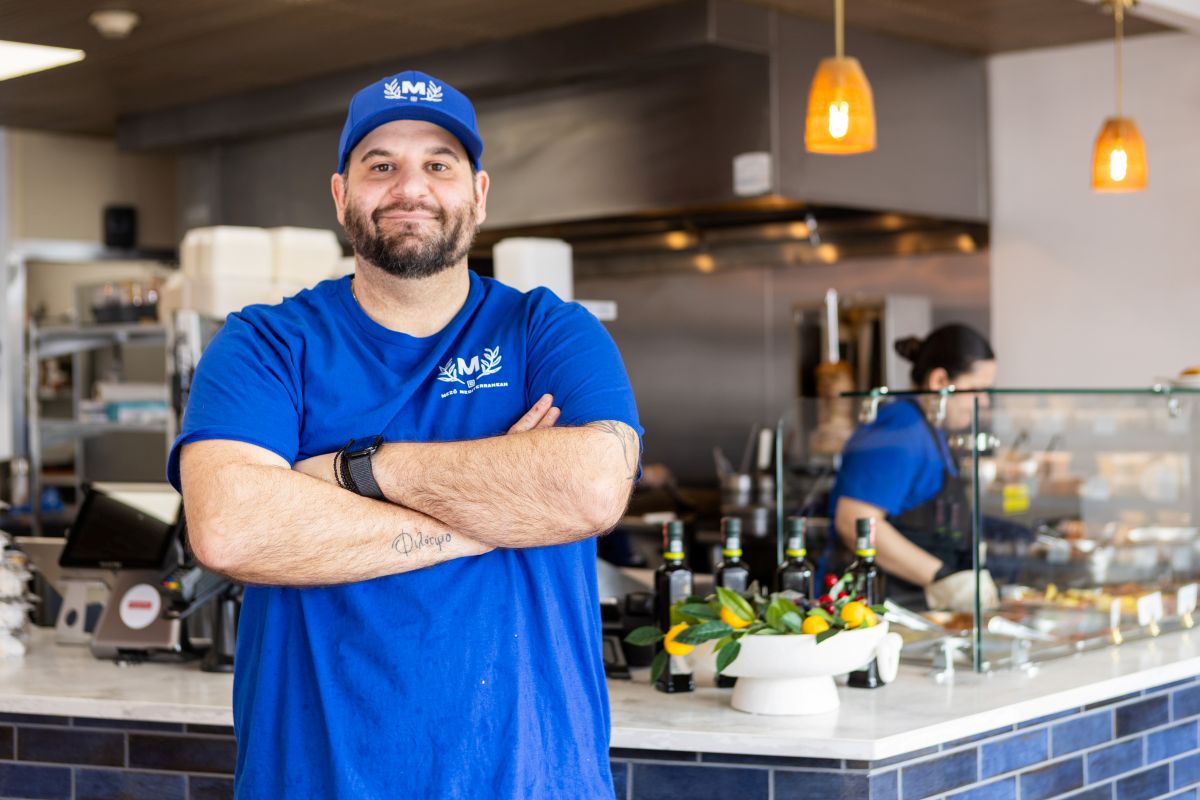
George Panagopoulos oversees a historic pizzeria as executive chef and owner of Dedham House of Pizza in Dedham, Massachusetts, as well as its sister business, MEZŌ Mediterranean. And, implementing changes from in-store kiosks to a mobile app, he has firmly ushered the pizzeria (passed down from his father, Andreas) into the 21st century. But his latest move is rare for a legacy pizzeria: appointing Carlos Vasquez as head chef and general manager.
Vasquez certainly brings a deep resume to the business—more than a decade of culinary and restaurant experience, with a career spanning Venezuela, Miami, Dallas and Greater Boston before he landed at the two establishments owned by Panagopoulos. But since DHOP clearly has a long history of success, what’s behind such an audacious move?
Panagopoulos sat down with PMQ to talk about the decision and how he believes it will help secure his businesses’ success for the next few years—or decades. (For the chef’s perspective on entering a historic business, see our related interview with Vasquez.)
PMQ: It’s unusual to see this level of chef being brought into a historic family pizzeria. How did this idea come about, and why is it a good move right now?
George Panagopoulos: When people hear “chef,” they sometimes picture fine dining. But a busy pizzeria needs a tremendous amount of skill and discipline. You’re making dough, managing ingredients, coordinating a kitchen, and feeding families who expect their favorite order to taste exactly as they remember it.
Opening MEZŌ Mediterranean helped reinforce the value of dedicated culinary leadership. Bringing Carlos Vasquez on as head chef and general manager was a natural next step for our food group.
DHOP has been part of Dedham for more than 50 years, and I’ve spent about 20 years in the business. I know its rhythms, its customers, and the pressure of a Friday night. As we invest in equipment, develop our team and plan for the future, this felt like the right time to give the operation a stronger leadership foundation.
PMQ: What do you hope Carlos will add, and what are you intent on keeping the same? What are your overall goals for the pizzeria?
Panagopoulos: I want Carlos to bring a fresh set of eyes and the kind of attention that makes a difference on the plate: how ingredients are prepared, how a sandwich is assembled, and how the kitchen gets ready before the first rush hits. Just as important, I want him to help our employees become better at what they do. A good leader teaches, sets expectations and gives people the confidence to take pride in their work.
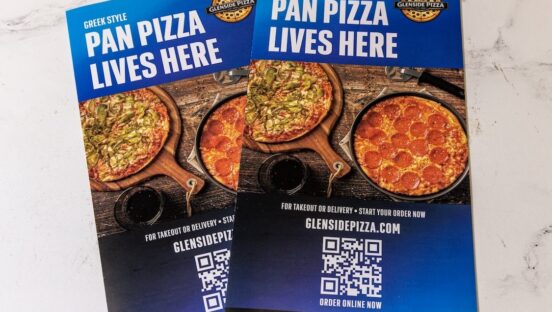
Our Greek pan pizza and family identity are staying at the heart of DHOP. When someone has been ordering the same pizza for 20 years, that means something. We have a responsibility to honor that relationship. The goal is for every order to feel like someone cared about it. A customer picking up lunch on Tuesday deserves the same attention as a family ordering dinner on Saturday night.
PMQ: What advice would you give other pizzerias considering hiring a chef from outside the business? What are its benefits and challenges?
Panagopoulos: Hire someone who respects your business before trying to change it and embraces your vision and mission statement. A neighborhood pizzeria has its own personality, and some of its most valuable knowledge lives with employees who have been there for years.
Also, be honest about what you need. Creating a great dish and leading a kitchen through a packed dinner service are different skills. A chef-manager needs to be able to do both while understanding staffing, food cost and customer expectations.
The benefits can be significant: better training, more consistent food, less waste and an owner who has room to think beyond the next shift. The challenges are the added expense, the adjustment for the team and learning to hand over responsibility. That last part can be difficult in a family business. You spend years being the person everyone comes to. For a new leader to succeed, you have to give them the authority to lead and stand behind them.
PMQ: How will you share this news with new and existing customers?
Panagopoulos: We want customers to meet Carlos and understand why we’re excited about having him in this role. We plan to introduce him through social media, our website and customer communications, with a look at his work alongside the team. There is a good story behind a neighborhood restaurant: the people making the dough, preparing the food and getting everyone through a busy night. We want to share more of that.
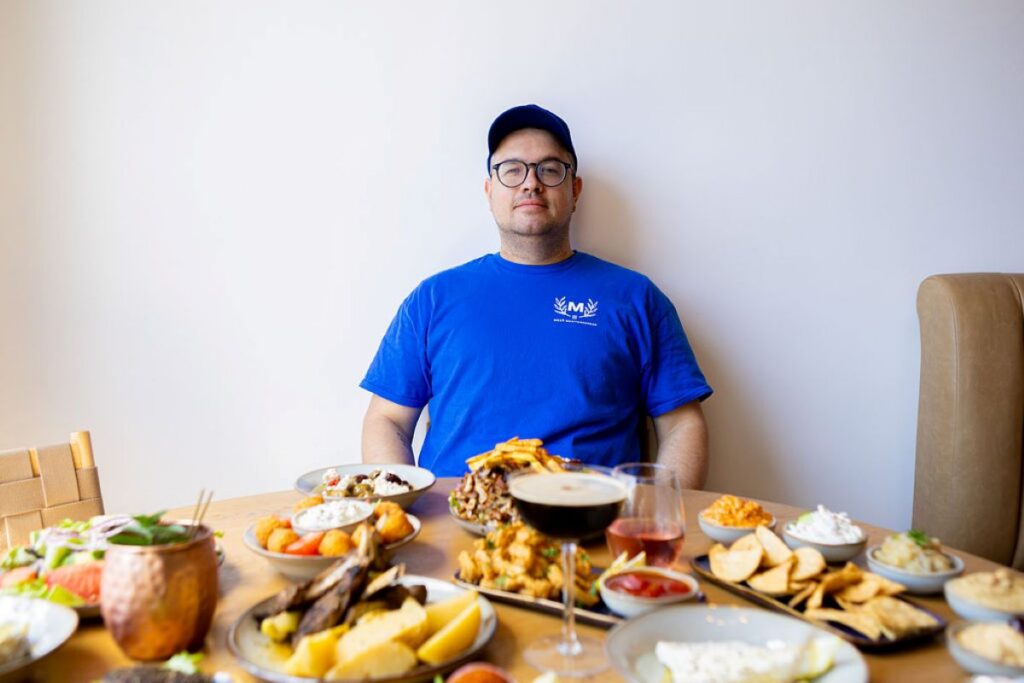
For longtime customers, this is another investment in a place they already know. For someone discovering DHOP, it’s an invitation to get to know the people behind the pizza.
PMQ: For an independent pizzeria, what kitchen systems or leadership practices make the biggest difference?
Panagopoulos: A smooth Friday night starts long before Friday night. It starts with preparation, clear responsibilities, and a team that knows what a finished product should look and taste like. We’ve been developing laminated recipes and station guides, using measured portions, and putting clear opening and closing checklists in place. Those may sound like small things, but they make it easier to train someone and keep standards consistent across shifts.
The other big piece is communication. During a rush, confusion spreads quickly. Everyone needs to know their station, who is leading, and where to turn when something goes wrong. Carlos is someone who can watch the whole kitchen while helping individual employees improve. The goal is to catch a problem while it’s still a small problem—before it reaches the customer.
PMQ: What else is new or next for DHOP?
Panagopoulos: We’re taking a close look at the menu and asking a useful question: What do we do best, and how can we do it even better? Our pizza offerings remain central. Elsewhere on the menu, we’re working toward a more focused selection that gives our strongest items more attention. Sometimes the best way to improve a restaurant is to give the team fewer things to execute exceptionally well.
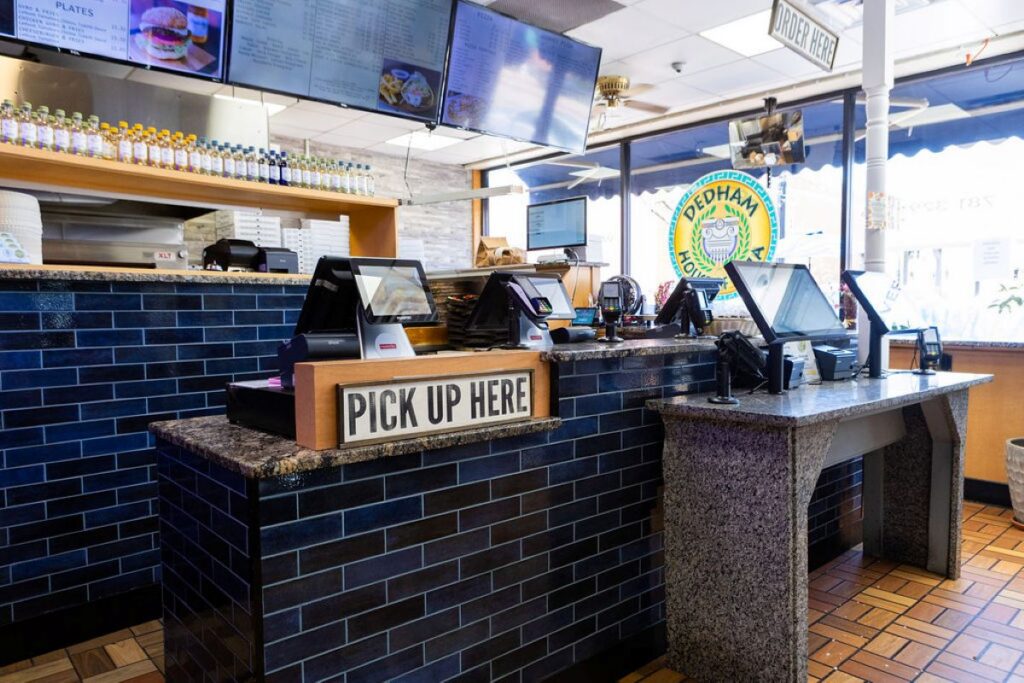
We’re also investing in dough equipment, kitchen workflow, and a better ordering and pickup experience. More customers are ordering through our app and website, so the restaurant needs to work smoothly from the moment they place an order to the moment they take it home. Carlos will help bring those pieces together. The next chapter is about making DHOP more consistent, easier to operate and just as welcoming.
PMQ: Is there anything else you would like to add about this new chapter of DHOP?
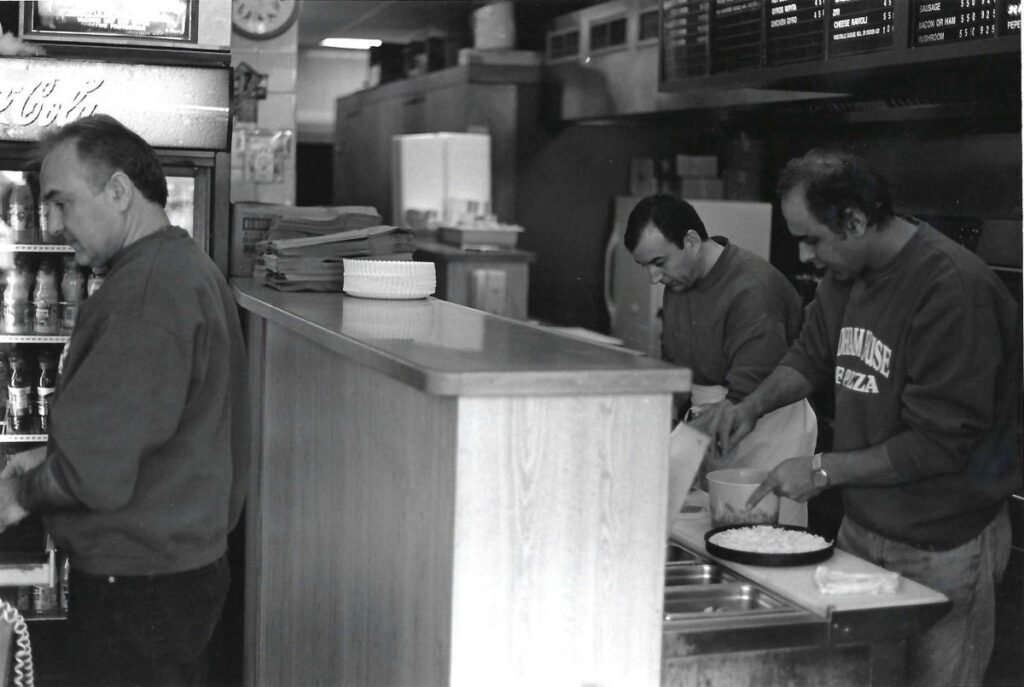
Panagopoulos: A family pizzeria becomes part of people’s lives. You see kids grow up, then come back with children of their own. You feed school events, celebrations and ordinary nights when nobody feels like cooking. That history is personal to me.
Bringing Carlos into this role is one way of taking care of it. I want our employees to feel proud of what they serve, and I want customers to feel that pride when they open the box.
Tracy Morin is PMQ’s associate editor.