
By Tracy Morin
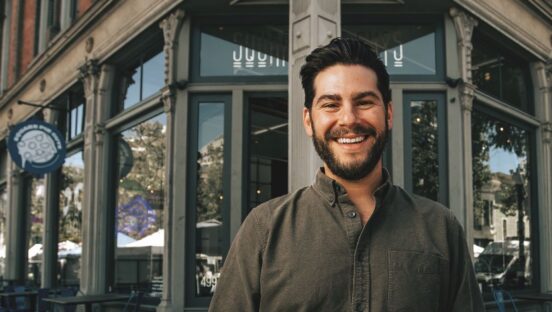
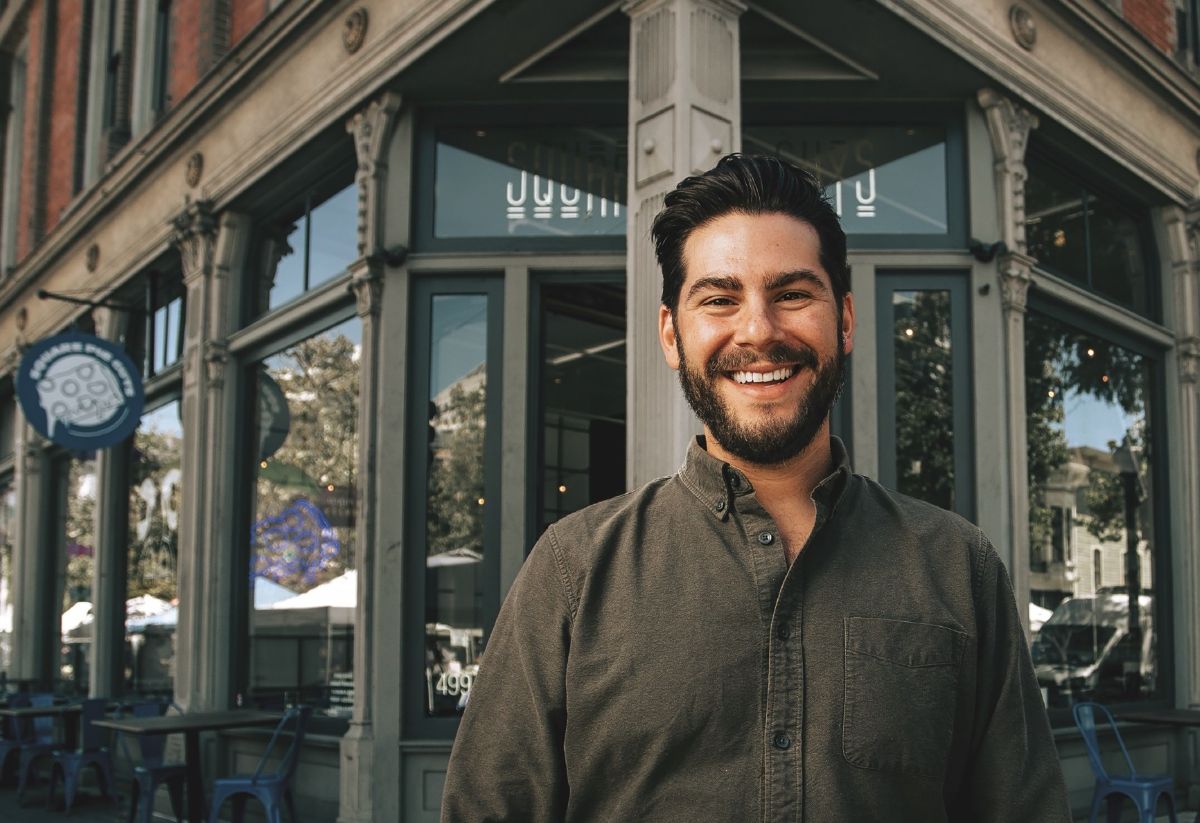
Since Square Pie Guys, headquartered in San Francisco, landed the cover story of PMQ back in September 2022, the brand has doubled in size, from three locations to six. Now, founder and owner Marc Schechter is releasing his first cookbook, Square Pie Guy: Detroit-Style Pizza at Home, in late October 2026. Square Pie Guys is clearly a bona fide success story.
Still, from being founded as a pop-up in September 2018 to opening its first restaurant in 2019, from earning the 2022 StarChefs Concept Award to its co-founder Danny Stoller parting ways with the company that same year, Square Pie Guys’ trajectory hasn’t always been simple or straightforward. The brand is built to weather storms with a delivery-friendly model, plus healthy investments in its success: About 75% of its total sales are off-premise, and its marketing spend equates to 10% of sales. But in the 10 years since Schechter started making pizzas at home, he’s the first to admit he has made plenty of mistakes.
Schechter recently sat down with PMQ to discuss how he turned a pop-up concept into a scalable restaurant business—including wildly popular collaborations with big names—as well as what challenges he’s faced (and overcome) along the way, and what he’d do differently today.
PMQ: You started Square Pie Guys as a pop-up. What did you learn in those early days that still influences how you operate the business today?
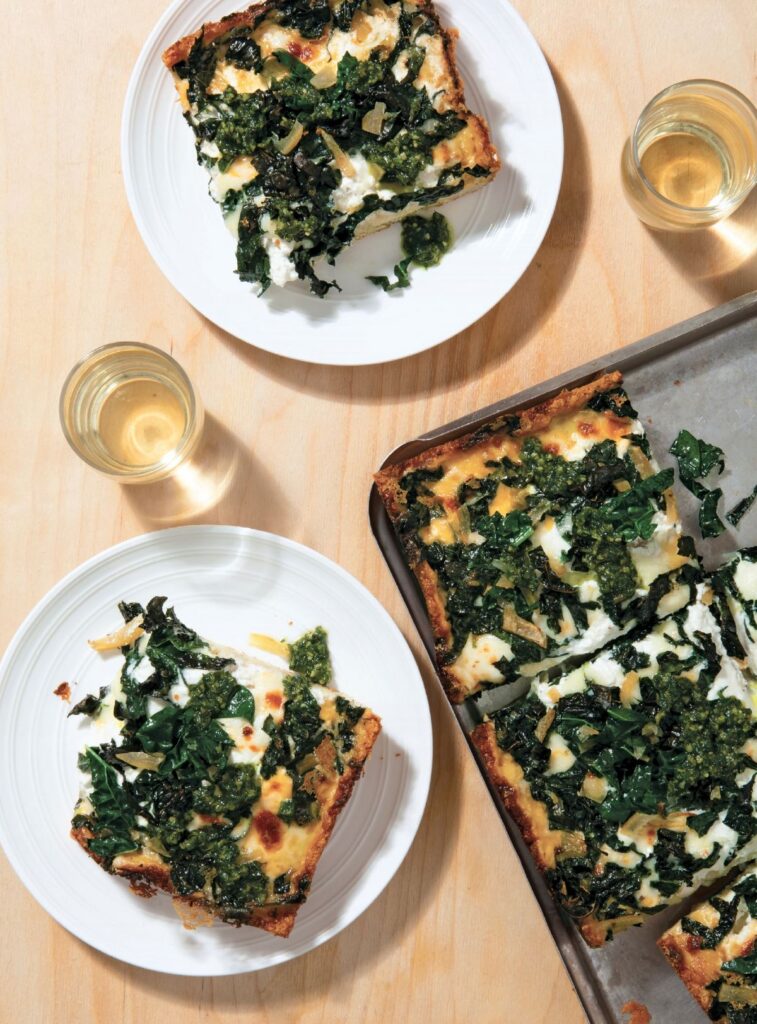
Marc Schechter: I learned a ton in those early days. We ran the pop-up out of Vinyl, a coffee and wine bar in San Francisco, from September 2018 to May 2019, plus weekend gigs at bars and breweries around San Francisco and Oakland. We started out selling 30 to 40 of our 8”-by-10” pies a night, and by the late winter and spring of 2019, we were doing about 100 a night.
The first big lesson: People love pizza, and they especially love finding the hot, exclusive, hard-to-get pizza. That shaped our collab strategy for limited-time offers. If we could harness that exclusivity, we could keep the brand fresh and hot.
The second lesson was about delivery, and it happened almost by accident. Very early on, someone scraped the PDF menu off our website and put it on DoorDash. So DoorDash drivers were showing up at the pop-up, waiting in line, paying with prepaid DoorDash debit cards, and delivering our food, with customers paying a huge fee to make it happen. That told me there was real delivery demand before we even had a restaurant, so when we opened in 2019, we built the brand to be great for delivery. That has been a key to our success, and we learned it very early.
As for growing, once the pop-up took off, it was always going to become a real restaurant. That was the plan from day one. Our first location was 7th and Mission in downtown San Francisco. It’s not the best neighborhood, and plenty of people thought SPG would fail right away.
PMQ: What did you do to make your concept stand out, and how do you market and build buzz around your business now that you’re more established?
Schechter: First and foremost, the name. It’s simple, easy to remember, and tells you exactly what we sell: square pizza pies. (Although when we opened at Ghirardelli Square, tourists initially thought we sold pot pies or dessert pies.)
We also bucked some trends. A lot of our counterparts, especially in our hometown, built their brands on doing seven or eight styles of pizza. We picked one style and focused on nailing it and specializing in it. Some of that was right place, right time, but the decision to focus on square pies as an ode to the Detroit style was deliberate. Outside of Tony Gemignani doing many styles, almost everyone around us was doing the same thing: round 12” to 14”, Neapolitan or neo-Neapolitan, California fresh-ingredient, chef-driven pizza.
From there, we leaned into social media and fun, modern colors but kept it simple, including a simple, straightforward menu. And, last but not least, third-party delivery. We had momentum in 2019, but when we added third-party and then COVID hit, the platforms really helped us explode and become synonymous with Detroit-style in the Bay Area. Today, about 75% of our sales are off-premise, which is wild!
Press helped, too: industry awards like the 2022 StarChefs Concept Award, a second-place finish in a fast casual emerging brand award, and top-three pizza in Best of the Bay, plus working with influencers, and just really leaning into social and marketing. We have always spent more on marketing as a share of sales than most restaurants—consistently over 10%.
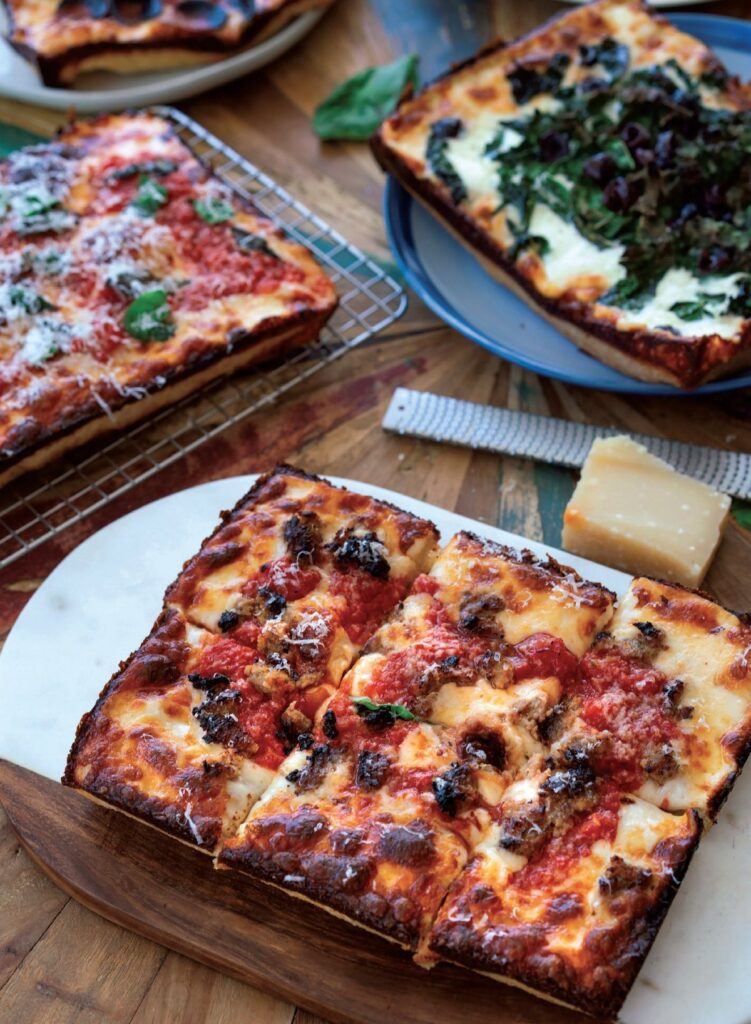
Today, the biggest buzz driver is still our limited-time collab pizzas. We are also putting a lot of effort into direct marketing: Meta ads, plus content marketing on Substack and LinkedIn.
PMQ: Tell us about those unconventional collaborations—you’ve worked with everyone from chefs and food personalities to athletes and musicians. How do you decide which collaborations make sense, and what advice would you share with other operators about successfully pulling them off?
Schechter: Most of our best collabs happened organically, plus some hustle, grit and networking.
Take [chef, author and TV host] Samin Nosrat. She commented on our Oakland opening, and I happened to have worked with her brother back in my tech software sales days. I asked him to make an intro, he said yes, and the rest is history. Samin was a dream to work with. She came up with a delicious pie that was wildly successful and sold thousands and thousands of pizzas.
[Basketball player] Jeremy Lin started as a customer. He kept coming back and asked for some modifications to his pizzas, and we made them for him, partly because I am a huge Knicks fan. Then I sent him a cold email and shot my shot. It worked, and we had our first collab with Jeremy Lin.
My advice: You can never force it. Customers sniff out anything fake, and it just does not work. But that doesn’t mean you shouldn’t shoot your shot. Shoot it, just make sure it feels right and comes across your desk in an organic way. That has been the recipe for our success.
On the flip side, a lot of people reach out wanting to collab with us. We want to pay it forward, but rolling out a new pizza is a lot of work: training every store, plus all the marketing, PR and social. So the other lesson is that it has to be a net gain for both brands. If it is a one-way street, you cannot expect it to work or expect the other side to say yes. You have to bring value to the equation, too.
PMQ: As you grew from a pop-up into multiple Bay Area locations, what have been the biggest challenges? What did you get wrong along the way?
Schechter: There have been huge challenges over the years. Third-party delivery costs have changed every single year since 2021, and that is really hard to adapt to. We had a great system for using the platforms to our advantage, and now it is becoming a crutch and a weakness. With 75% of our sales going out the door, we are working new angles to get guests back to ordering from us directly.
Growing is also physically tough. You can only be in so many places at once. I added more people, but that grows costs and hurts profit, and our team has scaled up and scaled down. Finding the right balance of salaries and staff per store, and training those teams well, has been super challenging.
What I got wrong: We hired too many people too soon. We put GMs on salary before we knew whether a store’s sales would get to a level that could support those salaries.
Here is the honest version of where we are today. We can open a new store relatively easily and get it running at about 90% of what our OG stores do. Chasing that last 10% of perfection is super hard, and it has been our biggest struggle. I am really proud that the food is well-designed and insanely consistent across every store. Service is the harder part. It is getting better, and that is no knock on our newer teams. It just takes time.
PMQ: How do you decide when you’re ready for another location? What numbers, operational benchmarks or gut instincts tell you it’s time to expand?
Schechter: I get this question a lot, and the truth is, I don’t have a rigid system. I set a goal of opening one restaurant per year. We also get a lot of direct feedback from guests, including a section on our website where people tell us where they want an SPG. When we see consistent requests from a city or region, and it lines up with my goals, we go for it.
On the real estate side, I hate paying key money, so I look for second-generation restaurant spaces. I also work with DoorDash and Uber Eats to get data on how an SPG might perform in the areas I am considering. And we ran licensed ghost kitchens in partnership with Local Kitchens, so we had real sales data from new markets that guided some of those decisions.
Even with all of that, some of our locations with amazing predictive data have underperformed, and others with middling data have overperformed. Data helps, but it does not guarantee anything.
On funding, I have saved our cash and gotten creative about bringing in growth capital, including through InKind and some partner deals. SPG earned that capital, and the goal was always to open more stores, so we go for it.
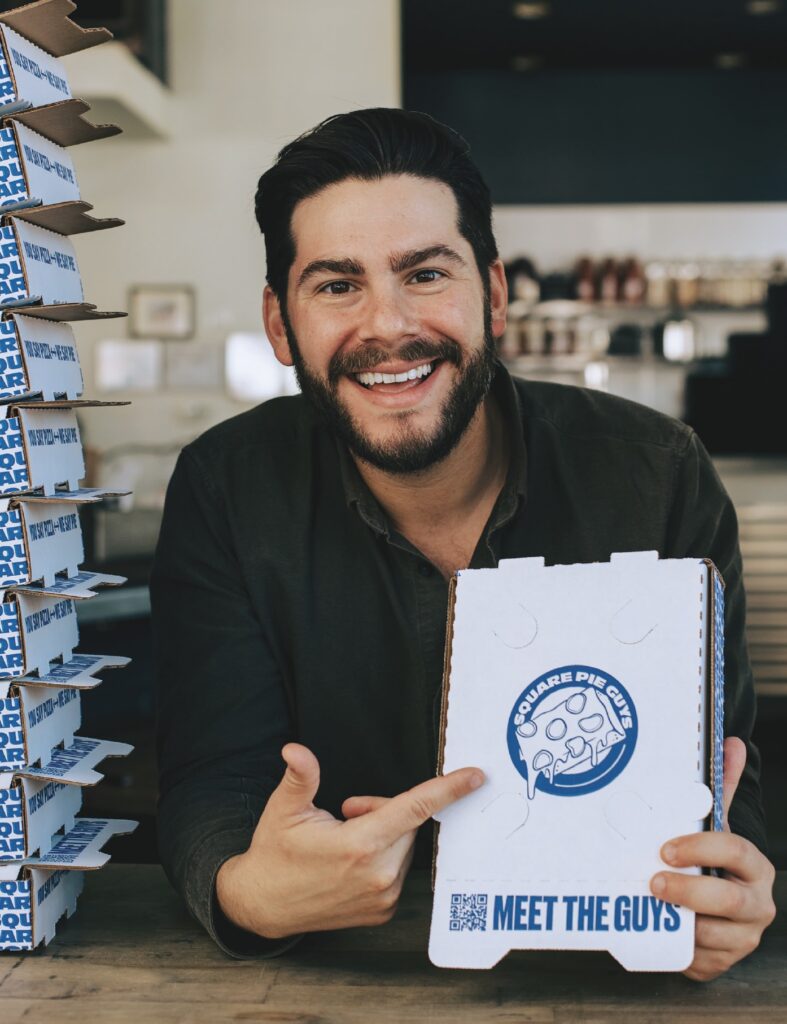
PMQ: As you’ve added locations, how have you worked to maintain consistency in the pizza, hospitality and culture that made Square Pie Guys successful in the first place?
Schechter: The key has been our core team. We have kept some OGs around since day one and promoted many of them into leadership roles. That has been huge for keeping things consistent.
Pizza consistency has always been our primary focus. Frankly, hospitality is the hardest thing to keep consistent, and it takes a ton of my own personal time and energy.
PMQ: What’s one business decision you made that looked risky at the time but ended up having a major impact on the growth of Square Pie Guys? And conversely, what’s a decision you wish you’d handled differently?
Schechter: Honestly, we don’t take many huge risks, but two come to mind. The first is our work with Local Kitchens, where we licensed our brand to run SPG ghost kitchens. The risk was real: Handing our name to another operator could have tarnished our reputation and put low-quality pizza out under the SPG brand. I’m not sure it paid off big on its own, but it guided our expansion and taught us we could white-label par-baked pizza shells, which led to a frozen pizza revenue stream. That could be the key to our future.
The second is buying in early on third-party delivery. That went against the trend and the advice of a lot of people. It paid off big, and it could also backfire over time.
What I would do differently: Some of our locations are too big for a business where 75% of sales go out the door. I would open smaller-footprint shops with less dining room space. And I would wait to hire salaried GMs until a store’s revenue proved it could support them.
PMQ: You’re now expanding the brand into a cookbook. Why was that the right next step for Square Pie Guys?
Schechter: The cookbook, Square Pie Guy: Detroit-Style Pizza at Home, comes out October 27, 2026, and it is honestly just a fun thing. It is an opportunity I never thought would come my way when I started making pizzas in my house in 2016. I cannot imagine traveling back in time and telling myself 10 years ago that I would be releasing a cookbook. That is just crazy.
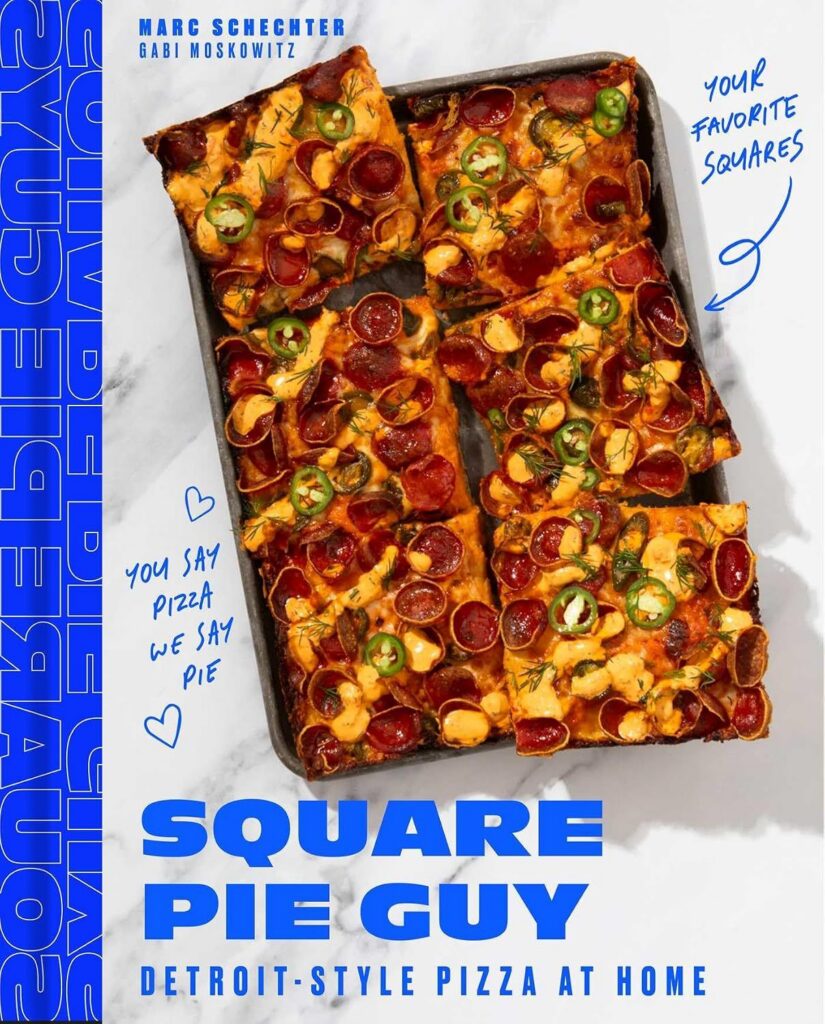
It also helps SPG get more national exposure, and it lets me give back to home pizza makers who want to learn—basically, people who were exactly where I was 10 years ago.
PMQ: What’s new or next for your company? At this point, are you more focused on opening more restaurants or making the restaurants you already have better?
Schechter: We have one more store coming that is not fully public yet. After that, we are taking a step back to focus on making our current stores better, tightening a few things up, and future-proofing the brand before getting back to expansion.
Why? I think we need to regroup and really dial things in first. I have learned a ton over the last two years, and I want to take the time to implement those lessons intentionally and then bake all of it into our next phase of growth.
For more history of Square Pie Guys, hear PMQ’s 2024 interview with Marc Schechter on Peel: A PMQ Pizza Podcast.
Tracy Morin is PMQ’s associate editor.