By Brian Hernandez
California Pizza Kitchen could have been a Tony Roma’s.
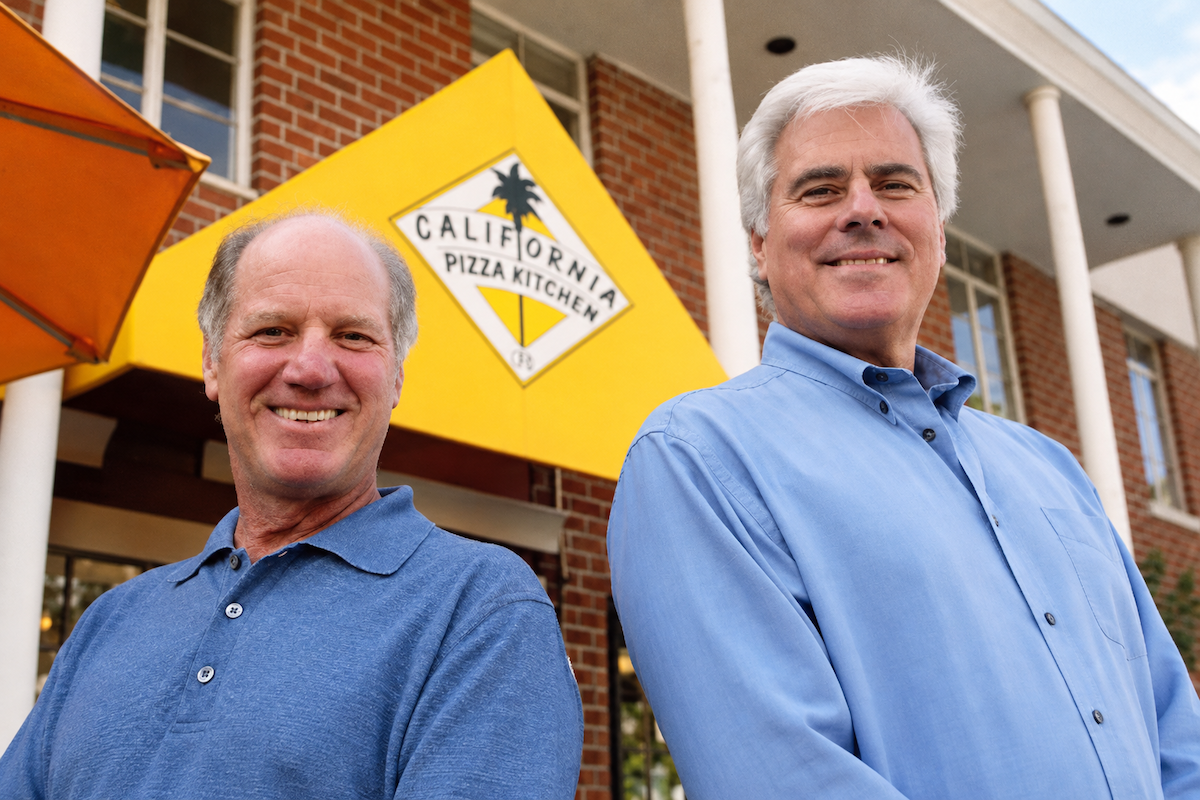
Years before Rick Rosenfield and Larry Flax introduced much of America to BBQ Chicken Pizza, the two attorneys tried to secure the rights to open what would have been only the second Tony Roma’s restaurant. Curiously, the company’s new owner rejected them because he did not want lawyers as franchisees.
Years later, Rosenfield told that story during a restaurant-industry panel. A man approached him afterward, introduced himself as the owner’s son and offered a concise verdict: “I think Dad made a mistake.”
That might be the cleanest alternate-history lesson in Rosenfield’s new book, The California Pizza Kitchen Story: How Two Federal Prosecutors Changed the Way America Eats Pizza. PMQ’s Tracy Morin previously explored his efforts to help the now-struggling brand in this article.
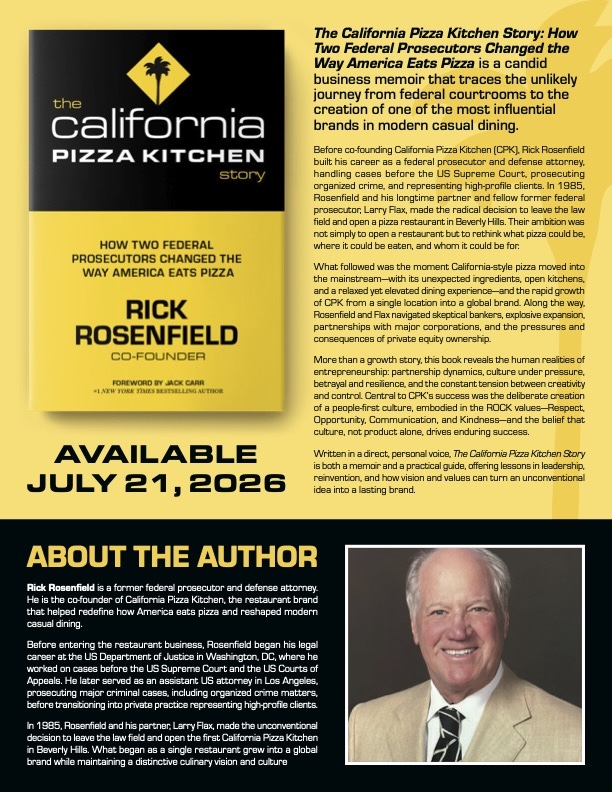
Meanwhile, for a separate conversation on PEEL: A PMQ Pizza Podcast, we turned back to the courtroom frustrations, unlikely breaks and early business lessons that helped create CPK in the first place.
Click here to listen to the podcast episode featuring Rick Rosenfield.
Listening to Rosenfield recount these stories felt like touring modern restaurant history with someone who had stood near several of its trapdoors and nearly fallen through a few of them. Think Indiana Jones climbing out of the pit in Raiders of the Lost Ark, but this story is just as much fun as any movie.
The Case That Helped End a Legal Career
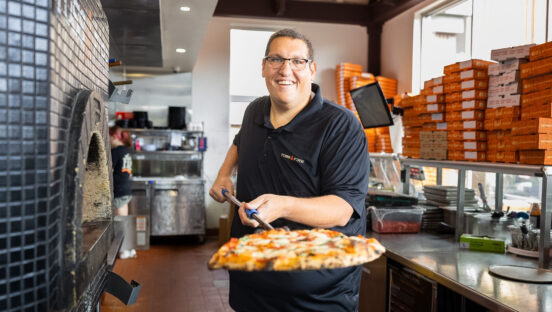
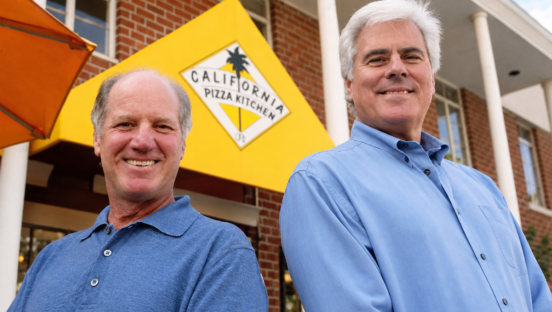
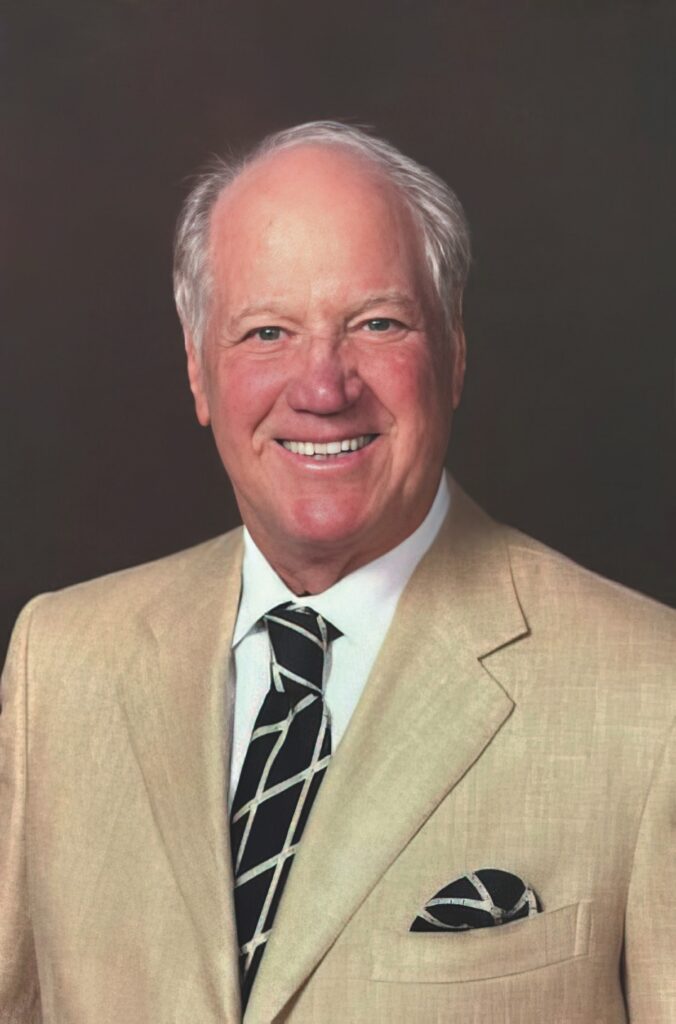
Before opening restaurants, Rosenfield (pictured above) worked for the U.S. Department of Justice and became an assistant U.S. attorney in Los Angeles. He later entered private practice with Flax, but new clients and large retainers repeatedly pulled them away from their restaurant ideas.
One breaking point came during an organized-crime case in San Francisco. Rosenfield believed the prosecutor had improperly destroyed evidence and that the judge knew it. While the jury deliberated, the judge called him to the bench and said, “You tried that case better than any lawyer has tried a case in front of me in the 18 years I’ve been on the bench.”
Rosenfield thanked him, then asked why he kept ruling against him even when he knew Rosenfield was right. The judge shrugged, leaving Rosenfield with the impression that he considered the defendant guilty and was willing to help secure that outcome. “I cared too much,” Rosenfield said. “I cared about having the law do the right thing. To see it not [do that], I just said, ‘I’m not going to do this for the rest of my life.'”
The final push came from Burton Goldberg, former owner of Miami’s famous Mutiny Hotel and Club, once known as the “Studio 54 of the South” and inspiration for the Babylon Club in Scarface. When Rosenfield declined a summer invitation because of another trial, Goldberg responded: “You chicken-sh*t lawyers. Are you going to practice law your whole life, or are you going to do what you want to do?” He offered to back them and kept pushing until they signed a lease. “If he wasn’t in our life,” Rosenfield said, “I don’t know that this ever would have happened.”
Spago for the Masses Meets Rabbit Sausage
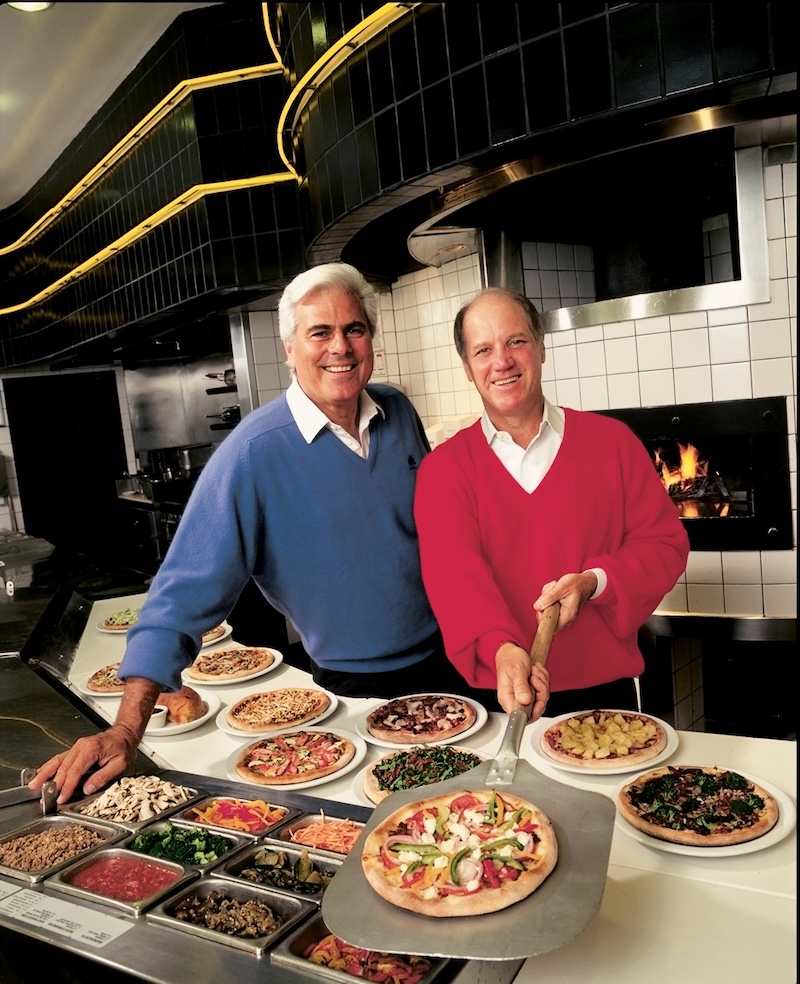
Rosenfield and Flax envisioned making California-style pizza accessible to ordinary diners, or “Spago for the masses.” They mortgaged their homes and guaranteed the lease despite having no menu, employees or practical restaurant experience. “We actually bet the house on a concept,” Rosenfield said. “We had nobody working for us. No staff, nothing, and no idea what we were doing.”
Two weeks before opening, they hired former Spago pizza chef Ed LaDou, whose proposed menu left them “a bit floored.” It included rabbit sausage, lamb sausage, radicchio pine nut and grape leaf pizzas, along with one creation that immediately stood apart. “Everybody tests it, and it’s like, ‘Oh my God, this barbecue chicken pizza is great,’” Rosenfield said.
The customers settled the matter. On a typical 200-pizza day, Rosenfield’s morning sales report showed “170 barbecue chicken pizzas” while rabbit sausage, lamb sausage and radicchio pine nut recorded zeroes. “It was actually an instant craze,” he said. CPK abandoned “Spago for the masses” and began building innovative pizzas around flavors customers already understood.
The Graveyard and the Fire
The first CPK opened in March 1985 in an 1,800-square-foot space on South Beverly Drive. Four restaurants had already failed in that location, and Rosenfield said the area was considered a “restaurant graveyard.”
The original 67-seat CPK remains there more than 40 years later, and the graveyard eventually became Restaurant Row. Paul Fleming opened an early Ruth’s Chris franchise nearby before helping create P.F. Chang’s and Fleming’s Prime Steakhouse. David Overton opened the first Cheesecake Factory farther up Beverly Drive. Three future forces in casual dining were starting within about three blocks. And Rosenfield watched it happen.
CPK placed a stone-hearth oven in an open kitchen so the fire became part of the dining room. Early locations used massive wood-burning ovens, but an airport deal made storage, ventilation and permitting difficult. CPK asked Wood Stone for a gas-fired model that preserved the appearance and cooking environment while improving consistency and training. This request also jump-started Woodstone’s path to becoming a leading manufacturer and pioneer in the gas assist arena, Rosenfield says.
After testing the gas-fired oven in a full-service Boston restaurant, like the Colts leaving Baltimore for Indianapolis in the middle of the night, CPK quietly began replacing its wood-burning ovens. Rosenfield expected customers to revolt. “We never heard a peep,” he said. CPK stopped installing wood-burning ovens, and gas-fired stone-hearth models eventually spread throughout the industry. It was not a romantic decision, but it worked, and the customers kept eating.
No ‘I Told You So’
Rosenfield and Flax brought one useful courtroom habit into their partnership: They argued. They could fiercely debate a location, menu item or business decision, but once they reached a conclusion, it belonged to both of them. Neither was allowed to resurrect a failure with an “I told you so.”
Rosenfield was once asked whether he could have built CPK without Flax and gave a diplomatic answer: He didn’t know but was glad he hadn’t needed to try. The answer bothered him afterward because it was not true. “I could not have done it alone, nor could Larry,” he said. “CPK was an absolute product of our interactions.”
Flax’s constant menu development produced items including the BBQ Chicken Chopped Salad and Thai Crunch Salad. As CPK grew, the partners replaced their own debates with a wonderfully unromantic rule: Everything is testable. New ideas went into six restaurants, and paying customers settled the argument.
When They Sipped the Pepsi
That discipline could not entirely protect CPK from the promise of unlimited growth. When PepsiCo invested, CPK had about 25 restaurants. It opened 15 the following year and 28 the year after that as PepsiCo encouraged the founders to build faster and enter more types of markets. “We sipped the Kool-Aid,” Rosenfield admitted.
Some locations underperformed, PepsiCo halted expansion, and CPK was left with an organization built to open 30 restaurants per year. Rosenfield’s rule was that opening 30 required about 90 potential deals because some would collapse or be delayed. When the pipeline stopped, employees lost their jobs, and the founders learned what happens when site selection moves beyond the people who once walked every neighborhood themselves.
That is why Rosenfield’s story never feels like a tidy victory lap: The record shows too many objections, reversals and trials. The BBQ Chicken Pizza made a strong opening argument, but building CPK required trial and error. That included cross-examining assumptions and overruling the founders’ own objections when the verdict came back from six restaurants full of paying customers. Even two accomplished trial lawyers had to concede that the customers had a case—and sustaining the business meant letting their judgment take precedence.
The defense rests. Case dismissed. You can’t handle the truth!
Apologies for that outburst. Rosenfield shared plenty more lessons from his years at CPK, some of which Tracy Morin has covered for PMQ Pizza. For the rest of his testimony, tune in to episode No. 64 of PEEL: A PMQ Pizza Podcast.
Brian Hernandez is PMQ’s associate editor and director of PMQ’s U.S. Pizza Team.