
By Rick Hynum
Katie Lee is one of the pizza community’s greatest success stories: a recovering addict with a multitude of failed jobs in her past, a high school dropout who started hitting the bottle at 13, raised by an epileptic junk picker with serious brain damage (and addictions of his own)…and, as she openly admits, too wild and headstrong for her own good.
But look at her now.
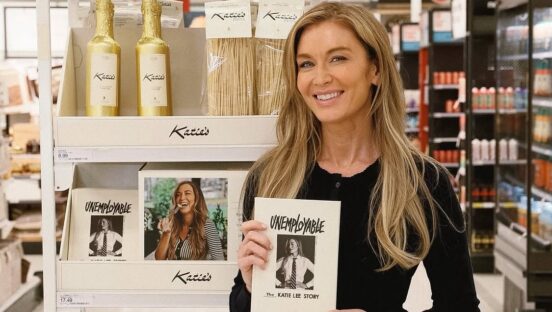
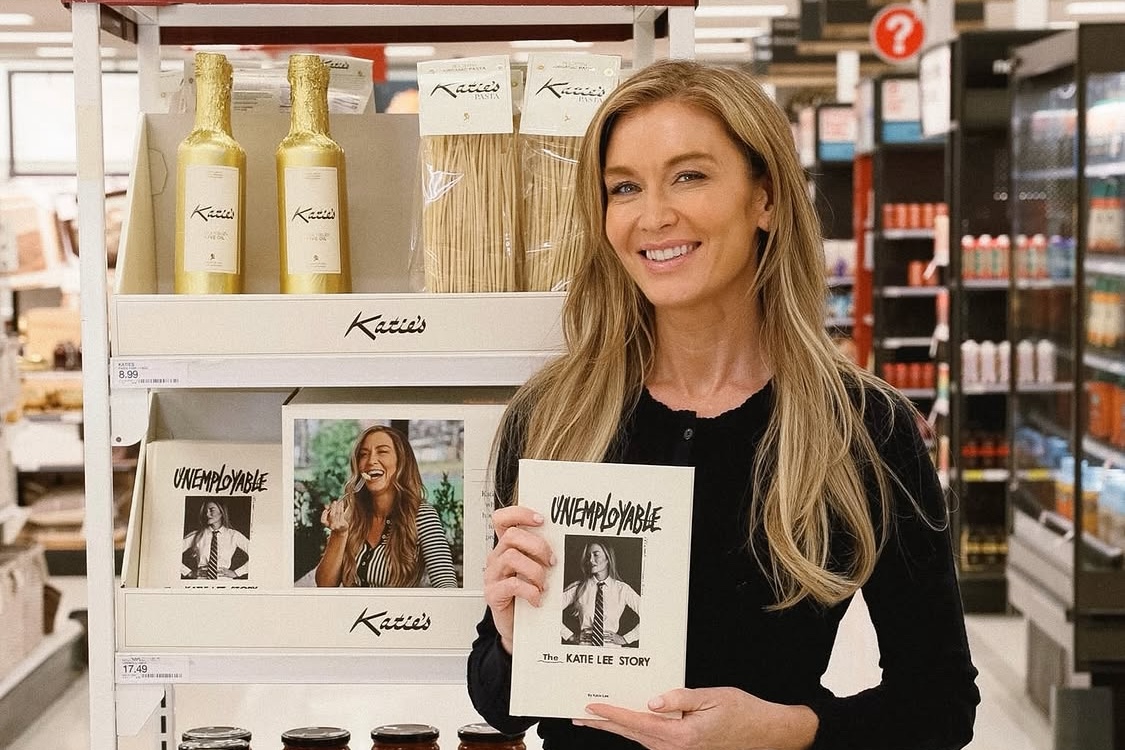
Lee has appeared twice on PMQ’s cover, first in May 2017 for her acclaimed St. Louis restaurants, Katie’s Pizza & Pasta (now with four locations), and again in May 2025 for her line of artisan frozen pizzas, pastas and sauces, simply called Katie’s, now available in Target stores nationwide and hundreds of other grocery stores around the country. And “artisan” is exactly the word—Lee’s team of 500 employees makes every item from scratch with clean ingredients only, and she says she’ll never compromise on that. (This writer’s opinion: They are all excellent.)
Related: Pizza Restaurateur Katie Lee’s Memoir Is a Riveting and Unforgettable Read
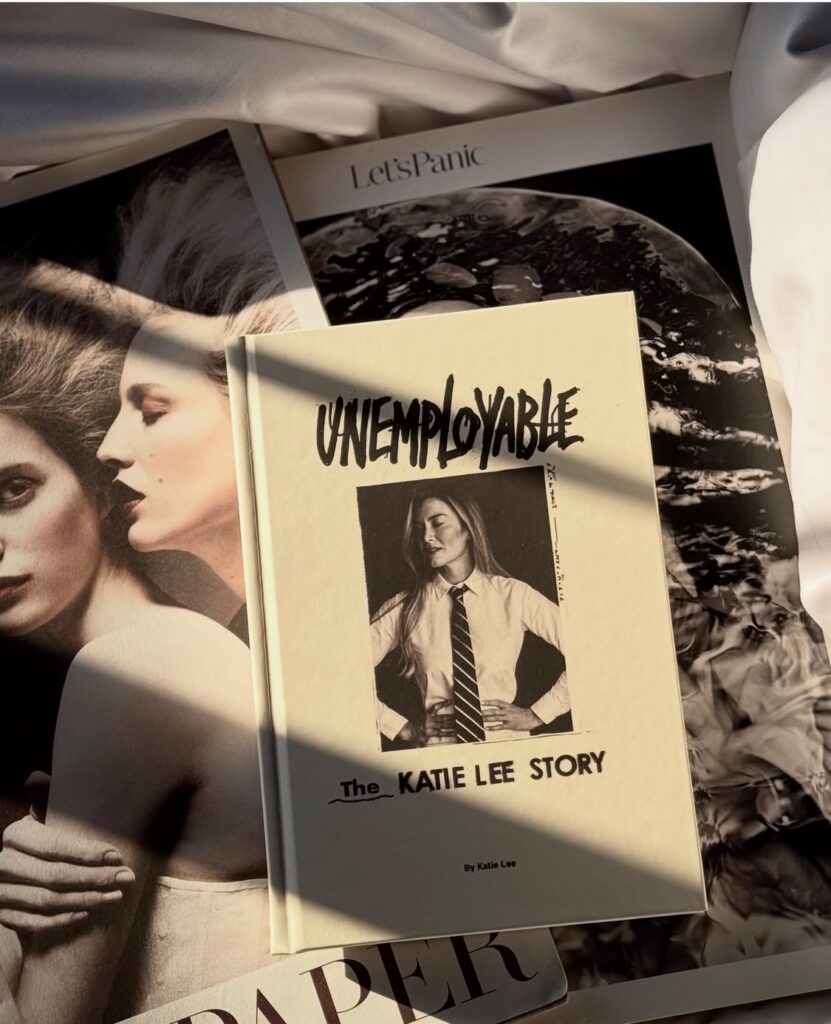
Now she’s a published author, too. Her memoir, Unemployable: The Katie Lee Story, debuted late last month in special end-aisle displays at every Target store in the country. It will be available at Target through the end of October and can also be purchased at Katies.com and in select bookstores.
We recently sat down with Lee once again, this time to talk about Unemployable and to catch up on the latest developments with her still-growing line of consumer packaged goods (CPG). Here are highlights from that candid conversation with one of our pizza community’s greatest rising stars:
For more stories like this, click here to subscribe or renew your subscription to PMQ!
PMQ: Several years ago we featured Anthony Mangieri of Una Pizza Napoletana in a cover story about his frozen pizza brand, and he talked about how CPG is a totally different world. Has that been your experience, too?
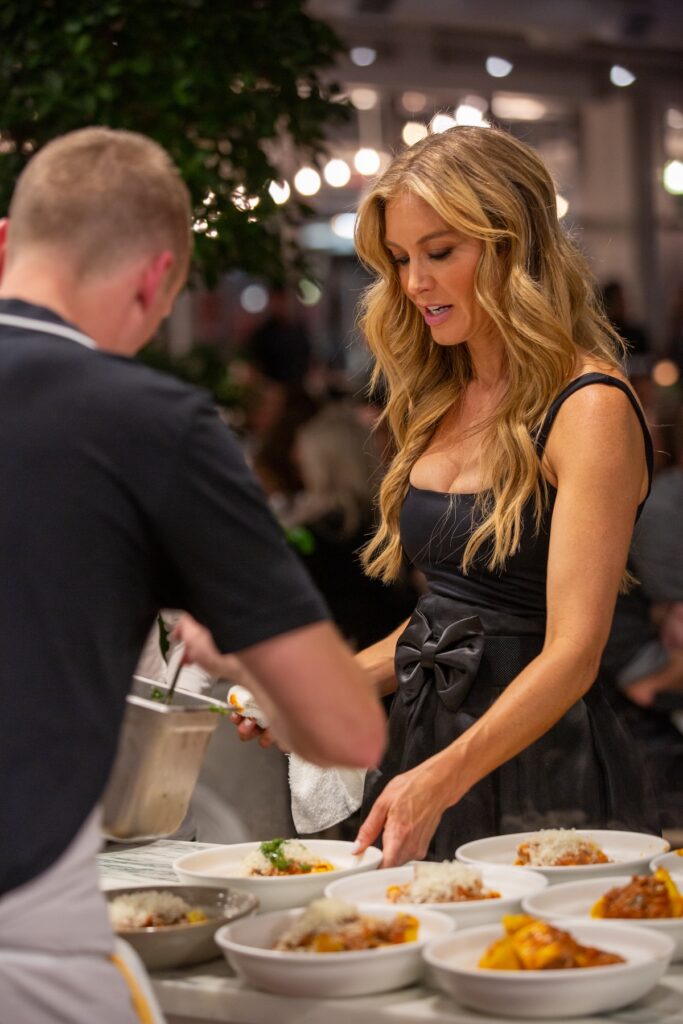
Lee: It’s like you’ve learned the piano and then someone hands you a saxophone. They’re both musical instruments, but they’re very different. We’re bringing a lot of our restaurant mindset to the frozen aisle, which I think is why we’re having success and are disrupting things a little bit.
But it’s totally different. You still have “guests,” but you don’t get to interact with them. Instead, you work with distributors, retailers, brokers and lots of technical stuff. Whereas in a restaurant, it’s much more fluid and based on the moment and the feeling. In CPG, you’ve really got to strategize and plan. And when things surprise you, you don’t get to fix them in the moment like you can in a restaurant.
But it’s still food, and our mindset is that there’s still a guest at the end of it. There’s still an experience that they need to have. I think maybe people in other [frozen pizza] companies that don’t come from restaurants don’t understand that quite as well as we do. That’s another reason for the book—because food is more than food. It’s a story, it’s a history. It’s all of those things. So I wanted to share the whole story behind what you’re eating out of those grocery stores.
Related: Keep an Eye on Katie Lee: She’s About to Become a Nationwide Brand (May 2025 cover story)
PMQ: Yeah, well, you’ve got a hell of a story to tell too. There are restaurateur memoirs out there, but they feel like they were written by a corporation, you know? And your book is one person telling a deeply personal and troubled story, and it resonates with me.
Lee: Yeah, it’s definitely not a how-to book. It’s not a how-to-build-a-restaurant book. Mine is about the more impactful stories, people and situations that happened along the trail. And about realizing that those are the things that make you you and give you your advantage and make you unique. It’s not always the degrees or awards. It’s the tough stuff and those tough people and characters you meet along the way. It’s not really focused on the milestones. It’s focused on the stories along the way.
PMQ: I keep thinking about this: Of all the independent pizzeria people out there, I don’t think I’ve seen anyone who has had your kind of success so quickly. I mean, you’ve been in the business for a long time, but since COVID, you’ve built this huge, fast-growing CPG company. And I just don’t think anybody else compares to what you’re doing. You know, Tony Gemignani obviously has had enormous success. but he also has a lot of money behind him now.
Lee: Yeah, and you know, we don’t have any money behind us. It’s week to week right now. But I’ll tell you, this team I have, because we come from restaurants, we’re so tough. And I’m ambitious. I love building things. I have an addictive personality, and it’s got to channel somewhere. So, we’re this small restaurant group from St. Louis, which isn’t a major city to most people around the country. For us to grow and compete with these billion-dollar brands is really wild. And it says a lot about our team and the grit they have and how tough they are.
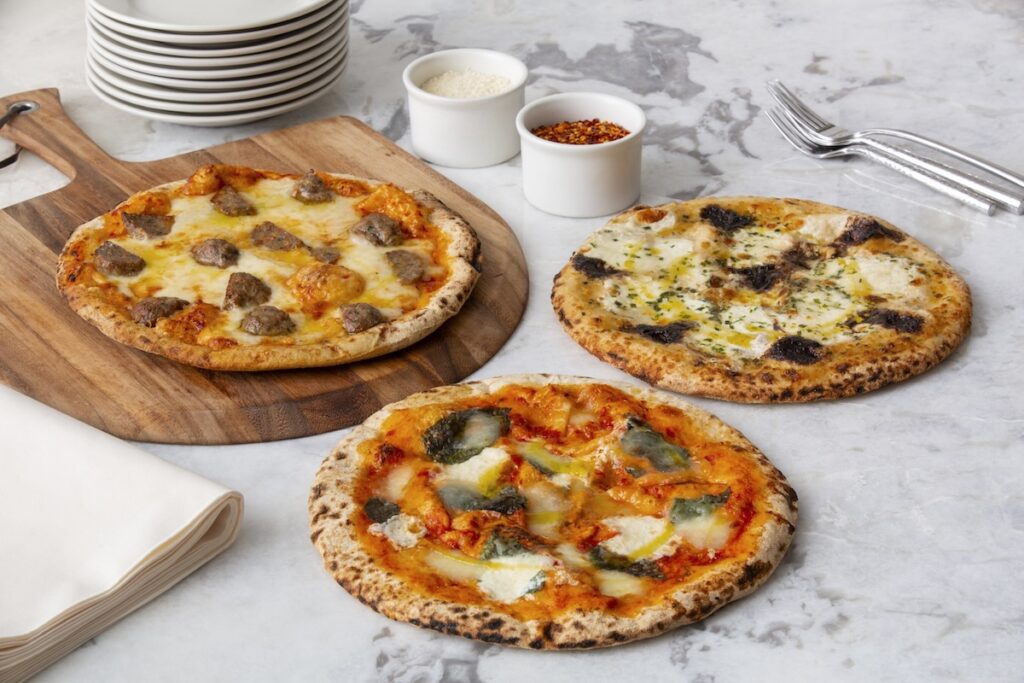
But I’ll tell you, we are in over our heads, and every day we’re learning and making mistakes. But we just fight really hard. And what we’re achieving and what we’re overcoming is pretty remarkable. I don’t know how it happened. I think we just put our heads down, and while no one was paying attention, we just made this really great product. We’re in 7,500 grocery stores right now, while last year, we were in just 500 at this date. And every single pizza is hand-stretched and wood-fired. Every single pizza is made with extra virgin olive oil and burrata cheese and beautiful, clean Italian ingredients.
That’s a story in itself: We’re able to scale a restaurant pizza that is good for you and clean and really a truthful product. I think that’s part of the success, too, because a lot of these other companies need to make short cuts to scale up or deal with the margins. And we’re just fighting through it. We’re very principled: It’s got to be this pizza. And I think that’s part of our success—people are surprised at the quality they’re getting out of a frozen aisle.
Related: How Katie Lee ‘Did the Impossible’: 400,000 Handmade Pizzas in 96 Days for Target Stores Nationwide
PMQ: Oh, it’s terrific pizza. It’s by far the best frozen pizza I’ve ever had. OK, so let’s talk about your book. Why did you write it?
Lee: Well, my father died five years ago, and he was my best friend. I was mourning him so, so much. For me, writing this book about the things we did together was a way for me to be with him. And while I was writing it, I felt like he was alive and we were writing this book together. So it was part of my mourning process and a way to keep him alive by remembering all this wild stuff we did and all of those shenanigans we got into. At that same time, I was starting to build the frozen pizza business. I was journaling about my dad and about the loss of my best friend Rolando, who died right after my dad. My team was reading the stuff I was writing, and they said, “We’ve got to find an illustrator and make this a book.”
PMQ: I wanted to talk about the title: Unemployable. Your dad used to tell you that you were like him—unemployable—which is a hell of a thing to say to your young daughter. Why do you think he told you that?
Lee: Well, he probably sensed that I had a spirit similar to his, which I do. We’re wild people, and wild people are hard to employ. He was never able to stay employed—he was too tough and wild, so he had to work for himself. He also didn’t have a traditional education, and I dropped out of high school at 15 and never went back. So I didn’t have an education or a resume. And, on top of that, I was too wild to be employed. Then you add in the fact that my father was a drug addict and alcoholic who got sober, and I was too. So all of those things add up to any unemployable person who has to be a hustler.
He probably saw me as a kid—defiant like he was—and he thought, “I’d better tell her the truth…because I don’t know if anyone’s going to hire or keep her in a job, which was true. As I wrote in the book, I was hired by 20 restaurants and fired by 20 restaurants.
PMQ: And now you employ, like 500 people. And you’re going to have to keep hiring more people, I assume.
Lee: Yes, if we keep growing, I’ll have to hire more people for sure. So whenever anyone says, “Are you hiring?” I say, “I’m always hiring.”
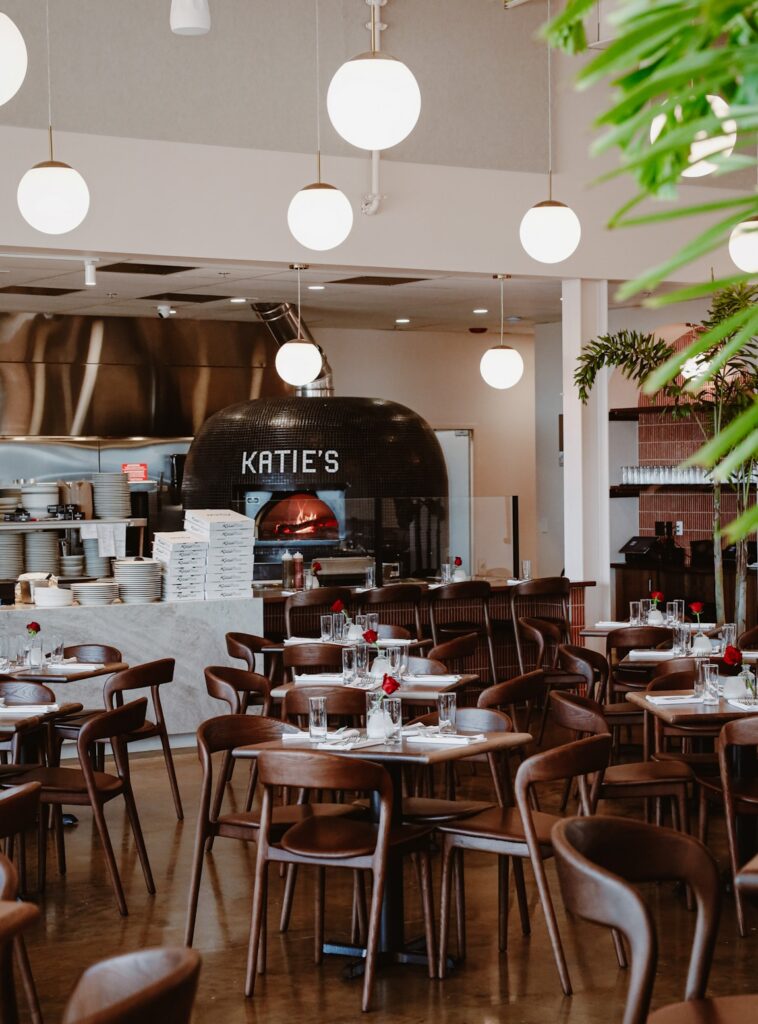
PMQ: You now have four restaurants and the Katie’s CPG line. And you’re still doing this on your own dime?
Lee: I am. [laughs] Book No. 2 is going to be titled Unfundable because I can’t find any of these private equity firms that are willing to put up with me and fund me. Which is really tough. Every week we’re reinvesting in the growth of the company and stretching ourselves.
I think it’s hard for [private investors] to believe that what we’re doing can work. They’re all kind of waiting for me to prove it out. Or a lot of them just want to take everything over from here, and I can’t let them do that. They would probably end up firing a lot of my team because we’re so unorthodox, and I’m very protective of them. I believe in my team so much, and I know they believe in me. That’s hard to quantify and explain to people when you’re trying to raise money.
And they would probably ruin our product too. But I’ll tell you what: I’m gonna make it!
PMQ: The chapter in your book on the grand opening of the first Katie’s restaurant broke my heart. This was in 2008. The stress was so intense on that opening night—you ended up drinking that night, fell down in the middle of the dining room and got whisked off to the emergency room. Meanwhile, your dad had an epileptic seizure that night, right in front of the guests, and he also got rushed to the ER. It was a bad start, and things never really got better for you.
Lee: It was a memorable opening night. We finally get the restaurant open, and then we both just self-destruct. It was just too much stress, too much worry, so I relapsed again. And that led to a few years of struggling and eventually spiraling out of control, which landed me without anything, with no place to go, out on the streets. I ended up in a halfway house where I lived for six months, and I’ve been clean ever since.
PMQ: When you came back to that restaurant—which was named after you!—your dad made you work for tips only. He was not going to carry you. You used a fantastic metaphor in your book: You said the way he treated you was “as fair and timeless as bears raising their young.” Do you really think that’s what it was?
Lee: It’s probably more complicated than that. I know he loved me very much, and maybe, instinctually, that’s what was happening. He’d had a really tough life. He knew that he was ill and wouldn’t be around forever. I think he had to give my brothers and me tough love. He was toughening us up, like bears do, to make sure we’d be OK when he was gone. So he gave me those tough lessons by kicking me out of my own restaurant, making me work for everything, humbling me. And at the time I thought he was an a–hole and we fought a lot. But looking back, I think he just wanted to make sure his kids could survive, and he did it the best way he knew how. And it ended up working. I think that’s my advantage to this day and why I’m able to fight through so many difficult challenges.
Related: Katie Lee: The Queen of All Pizza Media in St. Louis (May 2017 cover story)
PMQ: One of my favorite parts of the book is the chapter titled “Car Ride.” It’s such a vivid portrait of your dad and the crazy life adventures he took you on—cutting these back alley deals with shady characters while giving you some really shrewd advice.
Lee: He was like a Martin Scorsese character. He was a piece of work—really funny, really witty, and he had no filter whatsoever. Sometimes people whose brains are different are really, really special because they don’t have a filter. He was a junk picker, a salvage guy and a wild, wild man. And my brothers and I were little kids growing up with him. Unfortunately, we all ended up having to drink at an early age to deal with this upbringing.
It was all counterbalanced by our mother, who was a classically trained fine artist—a struggling artist, but she was brilliant and calm and very cool, a very beautiful person. Had we not had her, we probably would have ended up on the fringes of society.
PMQ: And your brothers work with you now, right?
Lee: Yes, Johnny and Tommy are in charge of sales and development. Tommy has really led the charge on all of these [CPG] accounts for us. We’re all very, very close. And we all have children that are close.
PMQ: As I read this book, one thing stands out to me: After all you went through, I don’t detect a single note of self-pity. Regret? Yes. Sometimes anger with yourself, but never self-pity. How is this even possible? I feel sorry for myself on a daily basis, and nothing in my life has compared to yours.
Lee: When you get sober, they help you realize that you can’t blame anyone but yourself. They put you through a sort of boot camp where you do an inventory of everything that’s happened to you and/or everything you think has happened to you. And you realize, first of all, that you’re the only one who can control yourself. You can’t place blame anywhere else. If you want to get sober and you want to get healthy, you can’t have resentments.
I can also look at the world and see people who have truly heartbreaking circumstances that are much, much worse than mine. So I’m grateful that I’ve had what I’ve had. I’m also grateful for pain; I think it’s my advantage, you know, that I’ve overcome some painful things and survived them. Had I not had the father I had, had I not had my addictions and my failures, I would never be equipped to do what I’m doing today. So I just look at them as a gift.
PMQ: When you finally quit Katie’s—that restaurant founded with your dad—and went off to open your own business, I think you clearly were doing the right thing, the smart thing, but your dad was really hurt by it. He just didn’t understand.
Lee: With his brain damage, he was just ill-equipped to understand why I was leaving him. He was very upset, and I felt like I was abandoning him. I was only 28 or 29, and I didn’t have the skill set to explain it to him at the time, but I left because if I would have stayed with him, that business would have failed and we would have all been left with nothing. But it really damaged our relationship until the end.
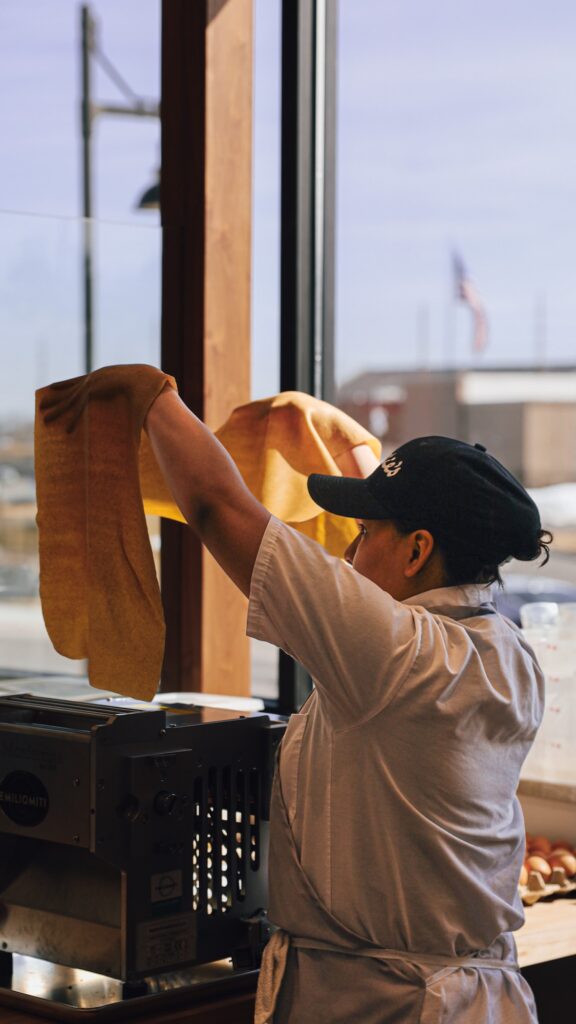
PMQ: The book also paints a vivid picture of restaurant people. It almost feels like it was written for the servers, the dishwashers and the bussers, because that’s where your heart seems to lie.
Lee: I have worked in every position, from busser and dishwasher all the way up. Restaurant work is all I’ve ever done. So all of those people—all of those characters—are just very important to me. So I wanted to paint a picture of who these people really are.
PMQ: How do you think your experience of spending so much time at the bottom of the totem pole has influenced you as the boss of this fast-growing company, especially when it comes to hiring and training people?
Lee: I look for grit, for resourcefulness, for personalities that can handle all the other personalities we deal with. People that don’t get their feelings hurt very easily are probably the best. My first pizzeria was right next to an Ivy League school, Washington University, one of the best, most expensive private colleges in the world. You’d see these brilliant teenagers in, like, medical school, and they couldn’t sweep a floor. If I saw that on your resume, I was probably not gonna hire you. You have to grow up doing the trades and come from tougher places. That’s what I look for, and those are the people my team is built with to this day.
There’s nobody on my team who has CPG experience, no one who went to Wharton or anything like that. They’re just smart, gritty, resourceful people.
PMQ: And they’re probably characters, too.
Lee: They all are, and they’re wonderful. They’re honest people with big hearts. They will tell you like it is, and they can deal with anything.