
Story by Tracy Morin | Photos by Olenka Salvador
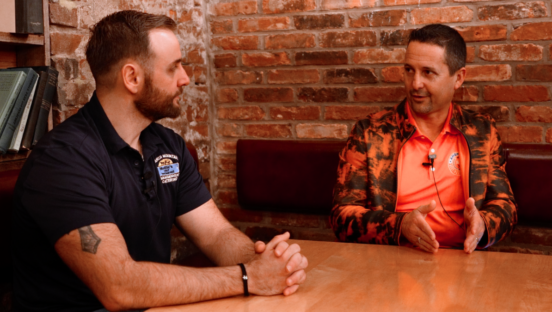
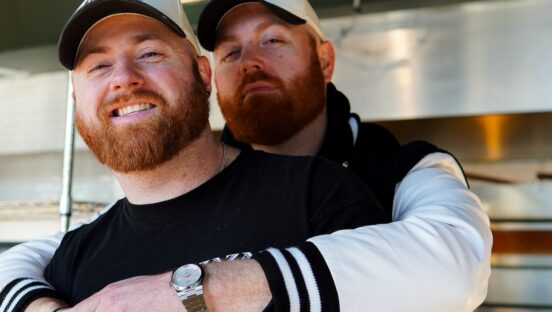
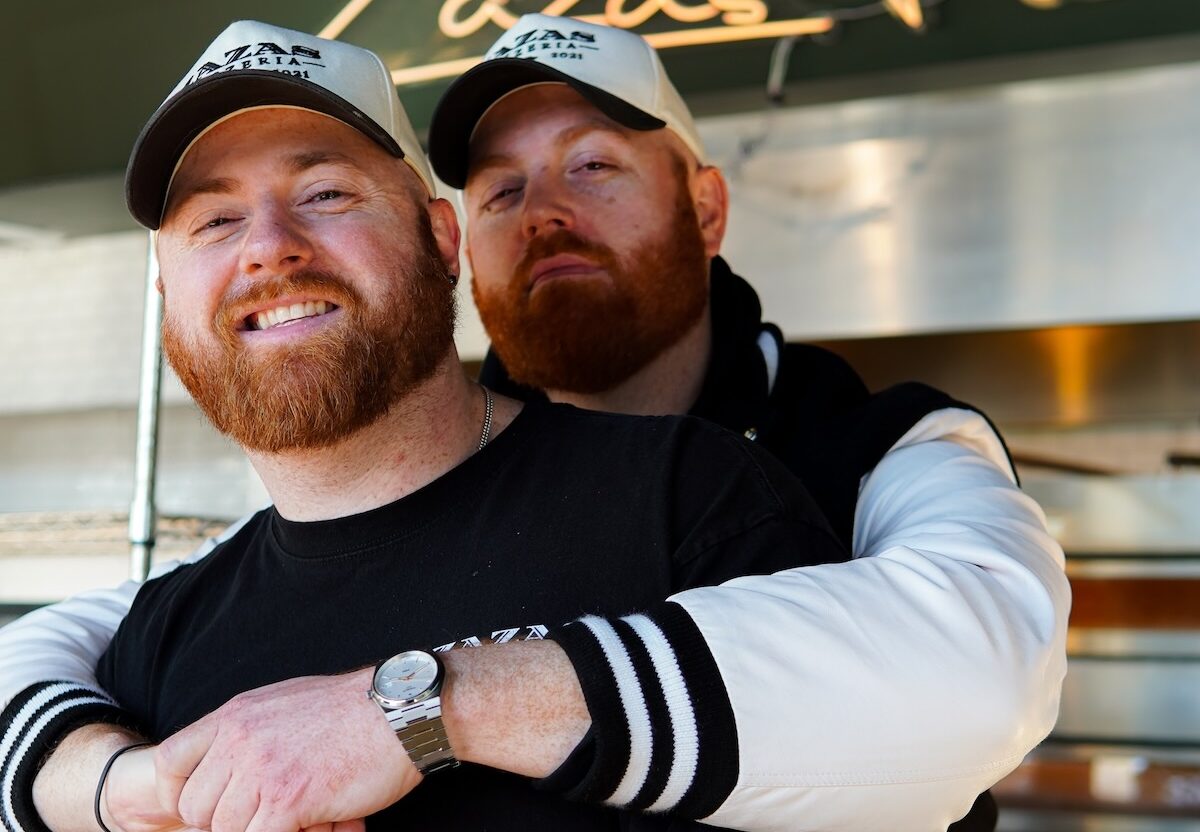
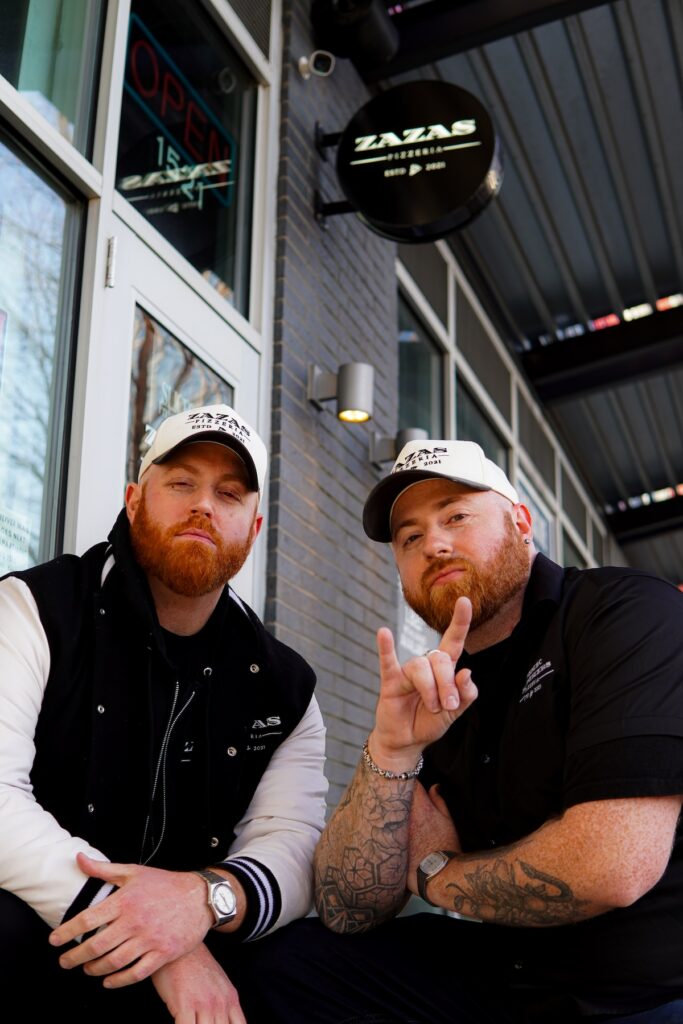
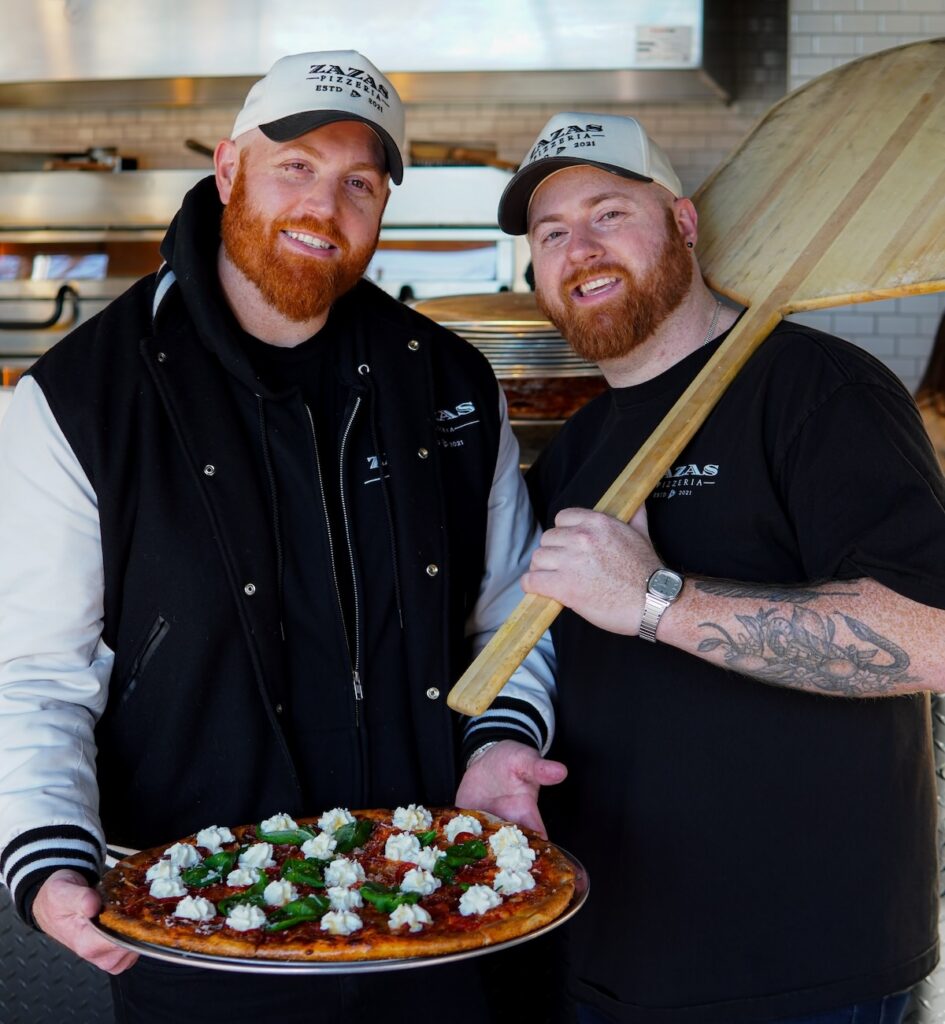
Combine a pizza-obsessed father with two sons who grew up to develop, between them, a culinary background and an entrepreneurial drive, and perhaps a pizzeria must be born. At least, that’s how it happened for Brett and Chadd Nemec, co-owners of two booming Chicago brands—Zazas Pizzeria and Nemec Brothers Pizzeria.
But passion and genetics notwithstanding, even they could not have predicted the business’ runaway success. That outcome has been a product of painstaking attention to craft, savvy business acumen—and, yes, a little bit of luck.
Pizza Obsession Genes
Brett started at the bottom in his restaurant career: as a dishwasher at age 16, working alongside his brother, Chadd. But what started as a temporary job quickly became a calling. “I fell in love with the atmosphere,” Brett remembers. “I worked my way up and became a line cook, and once I discovered my passion for food, I decided to enroll in a culinary program, just to get a little bit more experience under my belt.”
Meanwhile, long before their foray into foodservice, the brothers were steeped in pizza from childhood by their dad, Bob. “He used to have the pizza guy sneaking around the back of the house so he didn’t wake anybody up,” Chadd says with a laugh. “He hid pizza boxes in the garage. It was a pizza addiction. Without him, I don’t know that we’d have such a passion. He’s the biggest pizza lover in the world.”
“He had to be a little sneaky about it, I guess, because it got to a point where it was probably too much—he was ordering it too often,” Brett adds. “It was a pizza obsession.”
When Brett accepted a position at a fine-dining concept and eventually became the head chef, he started developing a dough program to make the menu’s wood-fired pizzas. “Through that process, I fell in love with making dough and making pizza—and pizza has always been my favorite food,” Brett says. “When I started making pizza, when I started learning how to make dough, it felt like a full-circle moment. It felt like it made sense. At that point, I questioned, ‘Why have I not been doing this the whole time?’
“A lot of people ask you when you’re a chef, ‘What’s your specialty? What’s your favorite thing to make? What are you known for?’” Brett continues. “I never really had a good answer for that question until I learned how to make pizza. Then the answer to that question became apparent. That’s my thing. That’s my niche. That’s what I like doing.”
Tinker Time
Like his father, Brett started to obsess about pizza—making it rather than ordering it. He devoured books and documentaries about the craft, the history of pizza in the United States and different regional pizza styles. While living with Chadd, he started making pizza at home.
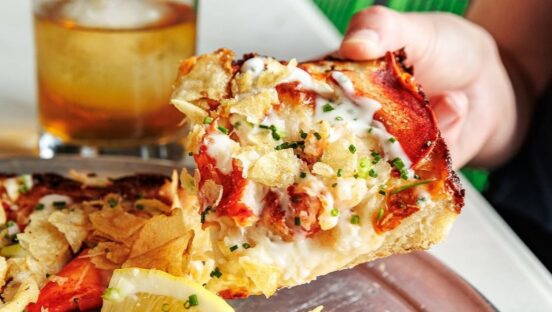
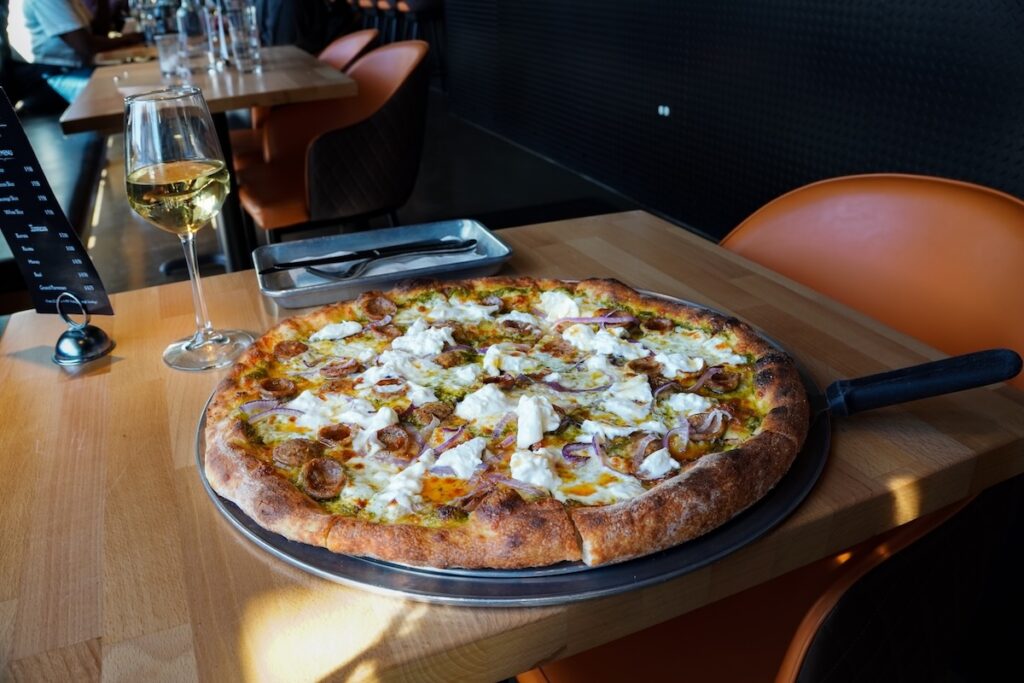
There, Brett struck upon a winning upgrade—brushing the crust with olive oil infused with rosemary and garlic, topped with salt to boost flavor. “A lot of people leave their crusts on the table or don’t finish them,” Brett says. “Why not do something to make it a little bit more interesting? The goal was to elevate the crust.”
Eventually, the brothers had to face facts: Their product was good enough to make a business. Chadd already possessed an innate entrepreneurial spirit and ran several of his own (in fact, he still operates a jewelry business). “I’d always found it fine to just work for others or run a restaurant as a head chef but never really had as much interest in running my own spot,” Brett says. “It was really Chadd’s encouragement. The combined personalities made a perfect storm for us opening a business—Chadd wanting to be an entrepreneur, and me on the creative side, with the ability to create recipes. The partnership worked out very organically. We dropped everything and went full-throttle in the pursuit of opening our own pizzeria.”
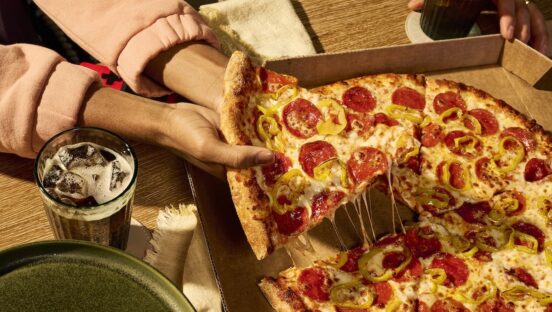
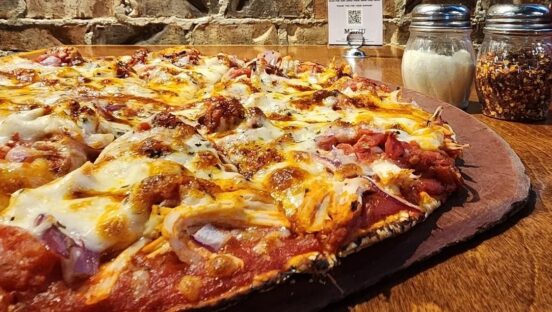
Despite growing up on Chicago tavern-style and deep dish, the brothers, in their research, experimentation and taste tests, found themselves most drawn to the New York style. They looked for restaurant spaces and found the perfect spot: small, with a New York vibe. “We wouldn’t have to have a ton of employees, no alcohol, nothing crazy—we could run a slice operation and have a really small menu,” Brett says. “To do something really simplistic with the menu and the restaurant itself was always our plan. We never wanted to have a bunch of different styles of pizza, have a bunch of employees running around, and have a huge operation and huge overhead and huge rents. We always wanted it to be simple and fun: good food, good music, good vibes.”
The brothers tapped family partners for additional support. Their mom, Sue Gambla, covered the public relations side of the business, while stepdad Steve Gambla handled operational and financial matters. Nowadays, the brothers’ partners also pitch in: Brett’s girlfriend, Olenka, helps with social media and marketing, while Chadd’s girlfriend, Sandra, assists with operations. “[Our parents] jumped in full force, and they’re very proud members of the team,” Brett says. “They’re always wearing Zazas merch and are our biggest cheerleaders. They always have our back and help us run the operations to this day, so they are a huge part of the story.”
Making a Splash On Social Media
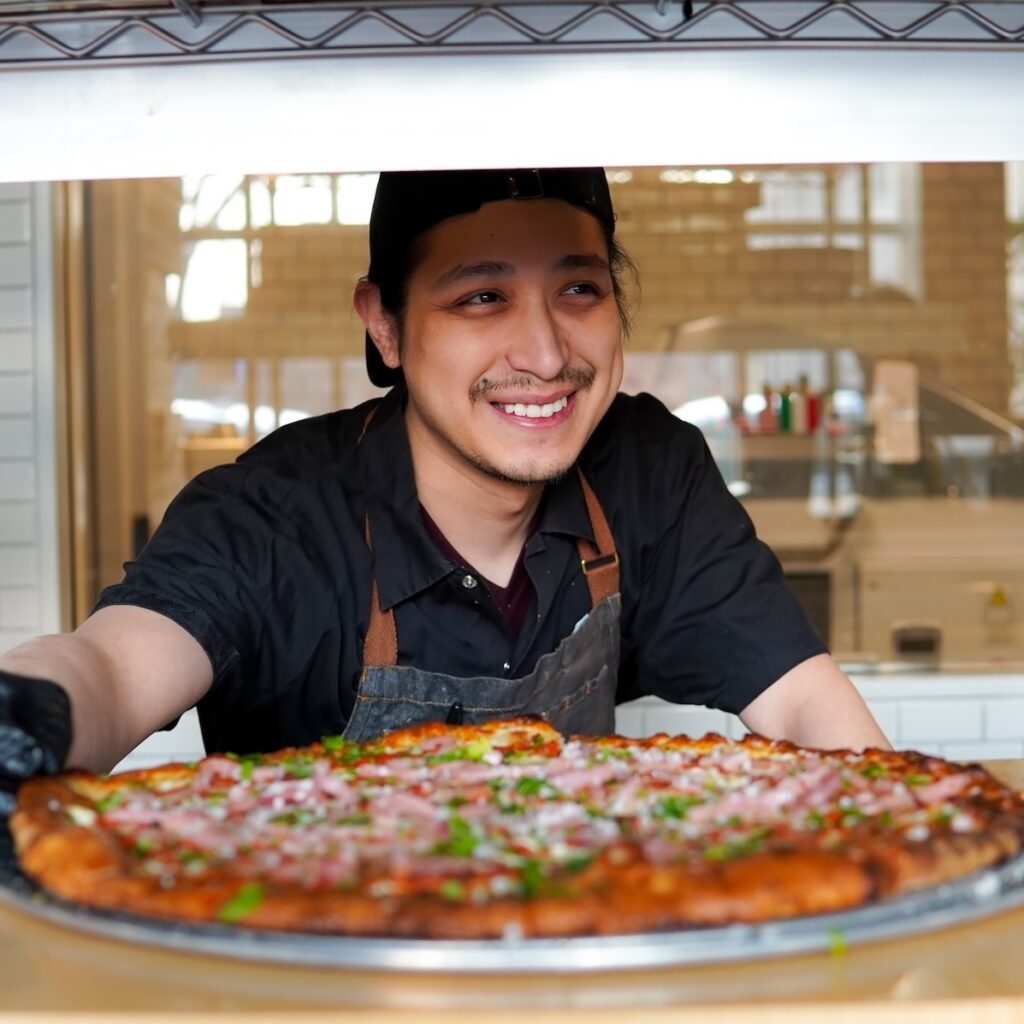
Before opening the first Zazas, the brothers focused on social media marketing, inviting local influencers to preview the product, which created immediate buzz for the pizzeria. Positive reviews by major Chicago media outlets followed, and Zazas quickly gained traction with a growing customer base. But a major turning point arrived when Dave Portnoy from Barstool Sports visited and reviewed the pizzeria for his hordes of online followers. Since the video was posted three years ago, it has racked up nearly a million views—and Portnoy gave Zazas an impressive 8.2 rating, declaring it, on camera, his favorite pizza in Chicago.
“The day the review came out, there were lines out the door—and there were lines out the door for weeks, months on end,” Brett says. “Until this day, years later, our sales have been incredibly impacted by that review. On Fridays and Saturdays, the money we were making pretty much tripled after he came in, and it remains the same until today.”
@vivalafood @Dave Portnoy found the BEST pizza in @barstoolchicago ♬ original sound – VivaLaFood
The brothers, however, know not to rest on their social media laurels. They keep the momentum going through frequent social media posts, where Brett often appears. “I think having people see the people behind the brand is important,” Chadd says. “I think that’s been a big driver for us: people feeling like they know who we are and know what the brand is about, as opposed to just being a logo.”
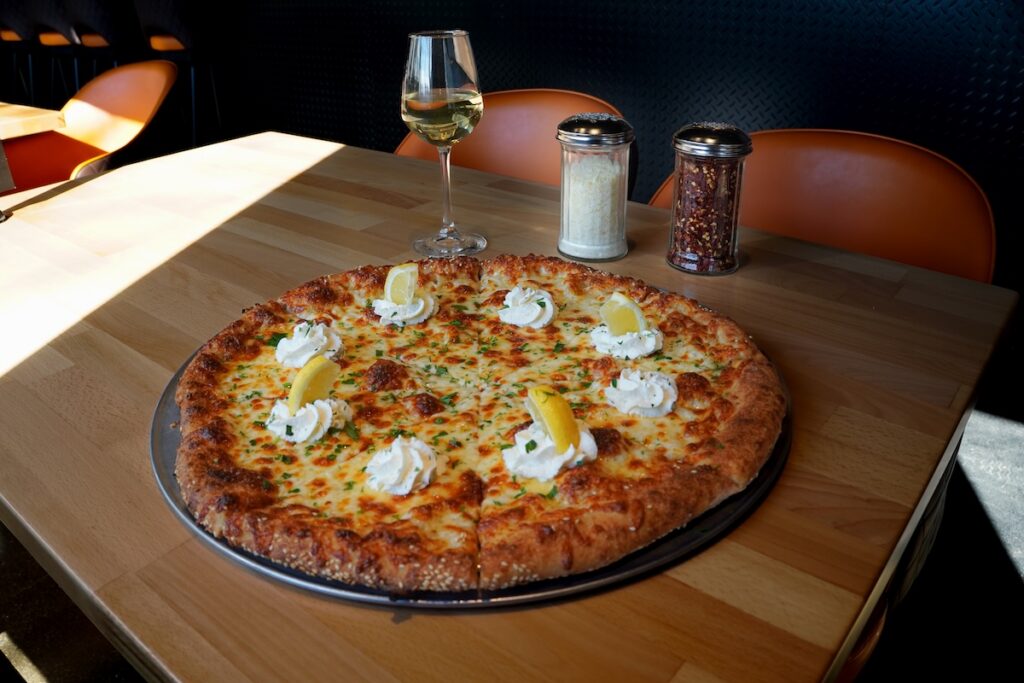
With demand surging, the brothers began expanding. Two years after their original opening, in December 2023, they launched a second concept, Nemec Brothers, in Geneva, Illinois, and another in Glen Ellyn shortly after. In October 2025, a second Zazas location opened, in Chicago’s Lincoln Park neighborhood. Year over year, growth has remained consistent, and the new locations offer expanded services, taking Zazas from humble slice shop to full-service dine-in with alcohol sales.
As the business has expanded, the brothers’ roles have changed as well, moving from hands-on, nitty-gritty daily tasks to higher-level operational oversight. They now focus on developing systems and procedures, ensuring consistency across locations and planning for future expansion.
Their future expansion—which for now will focus on Zazas—relies on this operational rigor. Amid fast growth, the brothers have maintained quality through various strategies: strong training programs for pizza makers, detailed written standards, random quality checks through their own unannounced visits (followed by feedback to the in-store team); and a secret shopper program to evaluate the customer experience.
“Really good training is something that we implement at all of the stores, and beyond that, we also have a lot of documentation on what it is that we believe makes a good pizza,” Brett explains. “That means specifying exactly how long the pizzas need to be baked, what they need to look like, even what they need to sound like when you fold them or bite into them—the eggshell crispiness that we’re looking for on the crust. Those details are part of our training documents that we give to all of our back-of-house staff.”
Now fortified by strong systems, Zazas Pizzeria harbors ambitious expansion plans. The brothers are introducing corporate-level management roles (such as hiring a corporate chef) to streamline their own responsibilities, while building infrastructure to support continued expansion and exploring franchising opportunities. Their goal: to scale the brand as much as possible while maintaining Zazas’ high quality standards and unique identity.
A Growing Family
While technical excellence remains a priority, the brothers also focus on growing a winning team. With about 60 employees across their four locations, they seek applicants who are coachable, have positive attitudes and work well within a team. “It’s not always about skill level; sometimes it’s more about the attitude that they bring to the table—people who are able to learn and adapt to what it is that we’re trying to have them do,” Brett says.
For their part, they emphasize building a supportive workplace culture, treating employees like family and creating an environment where people want to stay long-term. The company shows its appreciation and boosts employee engagement through birthday and anniversary recognition, regular communication and encouragement via text and email, and holiday parties and team events where members from different locations can mingle.
The Nemec brothers even allow employees to put their own stamp on stores, such as choosing the music to create a welcoming environment. As a result, they’ve enjoyed unusually low turnover in an industry known for high attrition. Employees have stayed for multiple years, with many original members of staff still on the payroll.
Of course, making employees and customers feel at home is easier when the backbone of the business is actual family—brothers, parents, partners, all pitching in. “It definitely has its pros and cons, but working with family is great, because we all know each other and we’re comfortable with one another, so we can share ideas openly,” Brett says. “And it’s easy for us to get along. For the most part, we’re all in agreement on a lot of things. Working with family can also be tricky, because you have to keep things professional, and sometimes business is business. But, for the most part, we love having a family business—that makes it feel fun. There’s a lot of love across the board, and we’re all proud of each other, so when we’re running the business, it feels like home.”
Tracy Morin is PMQ’s associate editor.