
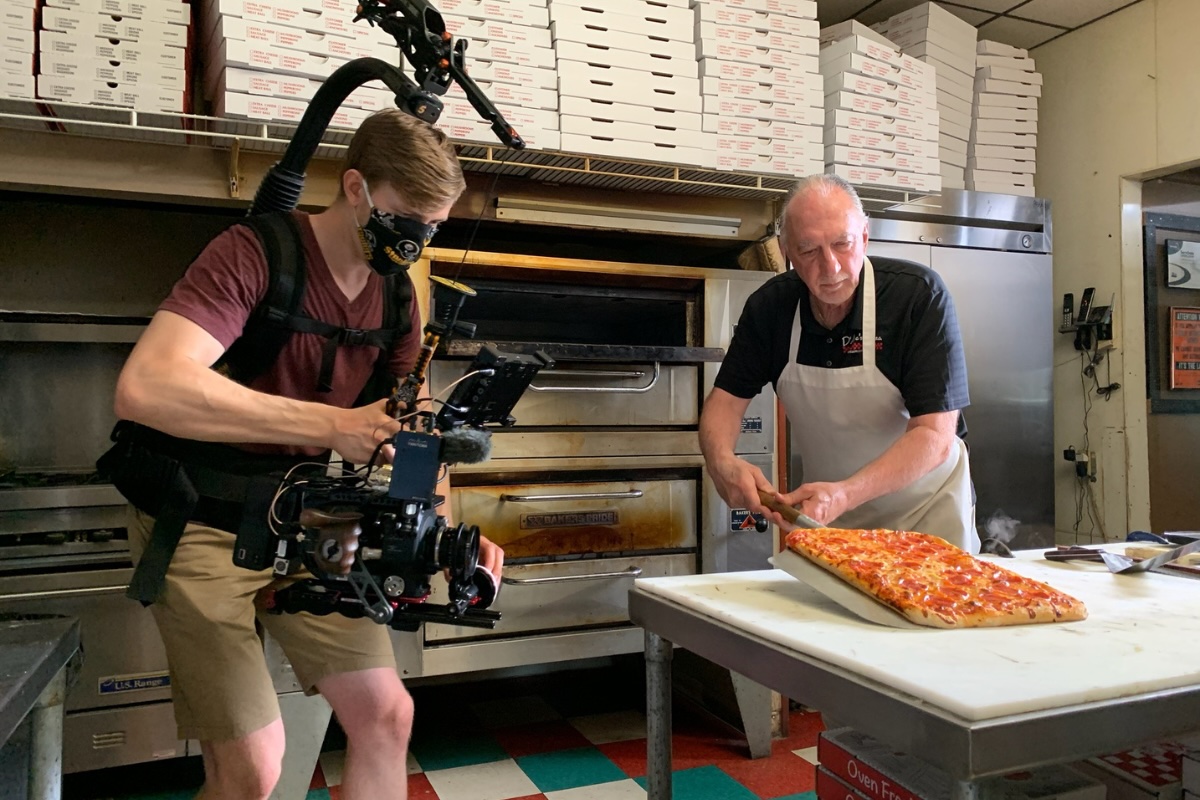
By Erica D’Arcangelo
In 1960, when my grandfather opened D’Arc’s Pizza, marketing, in its current form, was non-existent: a quick walk up the street, a homemade flier hung up at the school or local factory and the “nosy” but loyal neighbors talking about the “Pietro’s Pizzeria” that just opened. The aroma of fresh dough on a summer day and the friendly faces behind the counter were the only kind of word-of-mouth marketing that a pizzeria really needed to grow.
Fast forward to today. Between 500 million to 1.3 billion people are on Instagram a day. TikTok has nearly 2 billion active users per month. Facebook has another 2 billion users. For many, these social media accounts have become the new “town square” with megaphones that reach the world-wide masses. Wielding these megaphones are not only some of the “lucky” businesses but the social media influencers.
Putting Your Pizzeria On The Map Globally
For many independent pizzeria and restaurant owners, the word “influencer” could trigger an eye-roll or even a fleeting feeling of panic. Perhaps they envision demanding creators expecting a feast for a single, blurry photo or a free meal for nothing at all. But, in this day and age there are a number of influencers who will create great content for you while putting your pizzeria on the map.
In the majority of cases, influencers are an incredible force for good. They can act as a digital handshake to the masses, introducing your story, your shop’s soul and your culinary craft to thousands of hungry pizza lovers who are actively looking to be fed, entertained and inspired.
The secret to working with the “good ones” lies in knowing how to separate the true storytellers from the fakes and the view-chasers.
The Red Flags: When to Say “No, Grazie”
Not every creator with a high follower count will move the needle for your business. When an influencer slides into your Instagram DMs or email, look out for these warning signs:
The “Bad” Reviewer: If an influencer reaches out, the first thing you should do is check their page content, collaborations and reviews. If you see that they publish negative content about pizzerias, bad reviews or use their platform to complain about a place they’ve visited, don’t be afraid to tell them “no, grazie.” My motto is and always will be, “If you don’t have anything nice to say, don’t say anything at all.”
Spotting Fake Accounts: You might see that the creator has 50,000 followers, but if their posts only get three comments, those followers are likely purchased, inactive or completely unengaged. High follower counts mean nothing without active community engagement. Make sure to check their accounts and take a good, close look. An account with only 1,000 engaged and active real followers who are part of your demographic will help you more than a “fake follower” account with 100,000.
Assessing Local Value: If your pizzeria is in Pennsylvania but 90% of their audience and content centers around Los Angeles or Miami, their reach may not translate into foot traffic. However if the influencer publishes industry-related content from across the country (or globe) there are likely to be targeted viewers in your area that will translate into business for you.
Demanding Creative Monopolies: If they are asking for a large sum of money for little to no content, refuse to share their demographic insights, or get defensive when you discuss guidelines, stay away. Or if they demand complete control without understanding your core values, it’s a sign they don’t view your shop as a true partner.
The Green Flags: Spotting Your Perfect Influencer
The right influencer doesn’t just want to eat your food; they want to support and promote your story and your legacy. Keep an eye out for these positive indicators:
A Genuine Passion for the Craft: The best creators are already talking about food culture, heritage and the artisans behind the counter. Their feed should feel authentic, clean and genuinely appreciative of small businesses and pizzerias. As the GOAT, Tony Gemignani, would say, “respect the craft.”
Hyper-Local Influence: Look for “micro-influencers” (creators with 1,000 to 15,000 highly active followers) who live and breathe your local community. Their followers trust them like a neighborhood friend, meaning a recommendation from them directly fills your tables. This is also true for those dedicated specifically to promoting pizza content.
High Engagement and Community Connection: Look at their comments section. Are real people making comments? Is there active dialogue, and is the influencer responding to their comments? If so, this is the sign of an account that you want to work with.
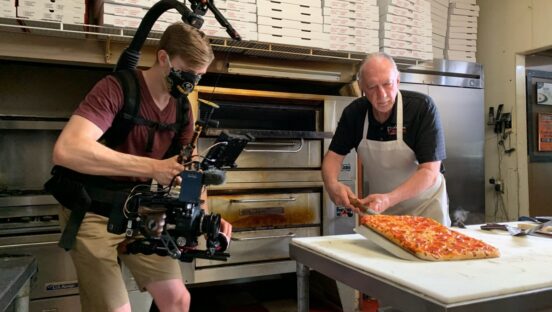
A Collaborative Spirit: A great influencer/partner will come to you with an idea. They might say, “I love the history of your pizzeria. I’d love to come in, film a raw behind-the-scenes video of the dough-stretching process, and share that legacy with my audience.” Or, better yet, they’ll want to hear your story. They understand that great content requires human connection.
The Power of Instagram Collaborations
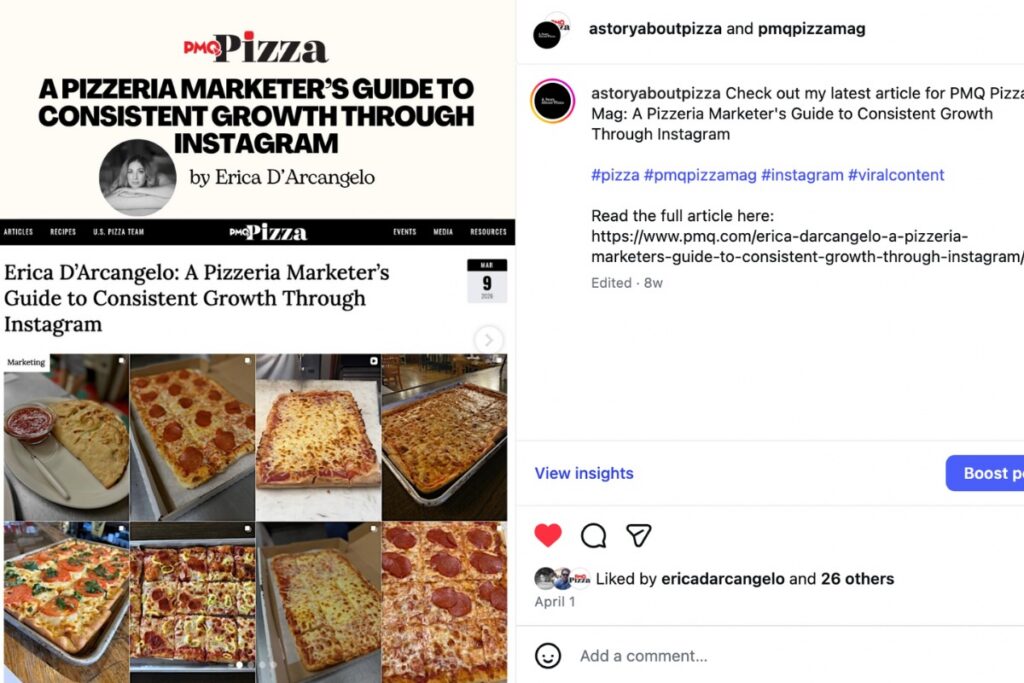
If you want to stay relevant without losing your brand’s identity, you have to embrace the single most impactful feature on social media today: The Instagram Collaboration Feature. We are always greater in numbers. When you utilize the “Invite Collaborator” tool on an Instagram Post or Reel, that piece of content doesn’t just sit on your profile; once accepted, it simultaneously publishes to the influencer’s feed.
This single feature completely changes the game for pizzerias because it instantly bridges the gap between your existing loyal regulars and the influencer’s entire fanbase. You are immediately dropped into the feeds of thousands of new users who may have never heard of your shop.
Collaborations act as a joint stamp of approval. It says to the world that this creator and this legacy pizzeria stand together, building instant trust. These two are a team. And the best part? Instagram heavily favors collaborative content because it drives engagement from two distinct groups of users at the exact same time.
Think about your dream collaborations. It could be a local food blogger, a nearby craft brewery or telling your story on The Pizza Story Podcast with me (@astoryaboutpizza). Don’t be afraid to put yourself out there and ask. The worst they can say is no, and you will be incredibly surprised by how many creators are eager to support an authentic business.
Keeping Your Pizza Content Simple, True and on Brand
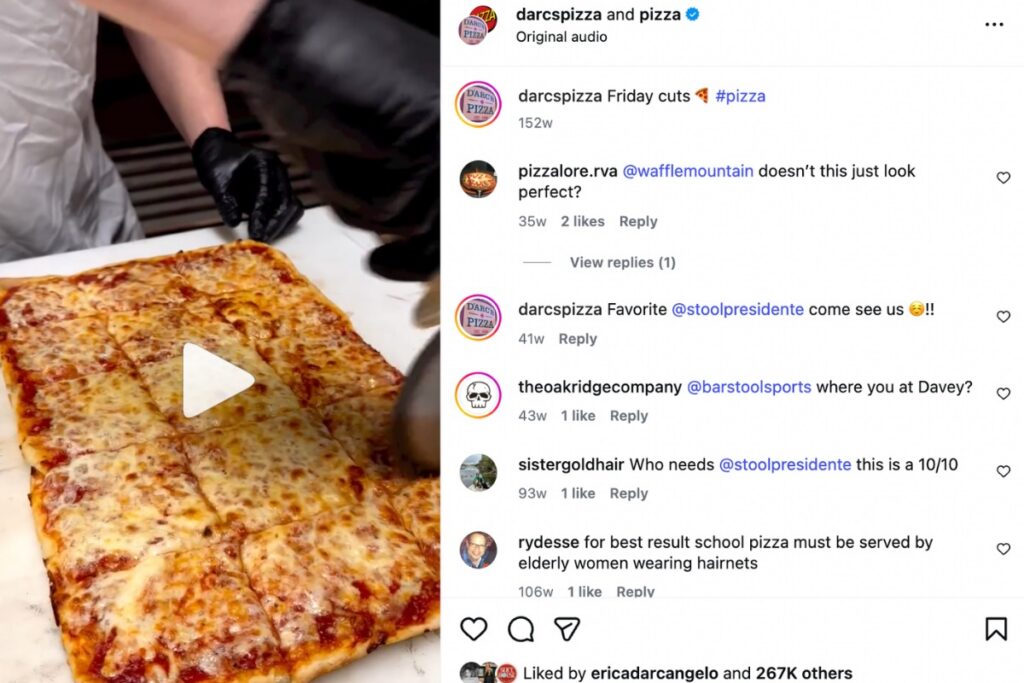
When I started posting simple, ASMR pizza-cutting videos for my family’s shop, I wasn’t trying to trick an algorithm. I was just showing the pizza, the crunch of the crust and the reality of another day in a busy kitchen. That simplicity is what caught the eye of massive accounts, sparked viral collaborations and ultimately quadrupled our foot traffic.
Influencers can be loyal friends and allies. They are the digital extension of the community connections that brought loyal customers into our pizza shop. Collaborate with and look for the storytellers who value human connection, leverage the power of your incredible story, and let the quality of your craft be the thing that speaks for itself.
For More Visual Inspiration on Pizza Storytelling
To see a real-world look at how authentic storytelling, family tradition and simple digital content come together to build a thriving pizza brand, take a look at my interview on How Podcaster Erica D’Arcangelo Quadrupled Her Dad’s Pizza Sales. This video features an in-depth conversation detailing the exact shift from standard marketing to viral, community-driven social media growth that honors a legacy shop’s soul.
Thank you for taking the time to read my column and for your support.
Erica D’Arcangelo is a content creator, author, and storyteller specializing in Italian heritage and food culture. Known for developing the viral digital brand for her family’s legacy business, D’Arc’s Pizza, which opened in 1960, Erica is the author of the bestselling book, A Story About Pizza. She has also released a children’s book series on Italian culture and pizza with the titles: Pietro’s Pizza, Pietro’s Pizza Toppings, and Pietro’s Italian Christmas.
Erica is the host of the Pizza Story Podcast, where she interviews family-owned pizzerias, talented pizzaiolos from across the world, and artisans who are keeping Italian culture and tradition alive. Her work centers on the enduring power of family and authentic Italian food. She owns three marketing agencies and has worked in the digital marketing space since 2001. You can contact Erica directly by email at [email protected] or through her website: https://www.astoryaboutpizza.com. You can also download her pizza marketing guide here: A Story About Marketing Pizza Guide or read more of her stories through SubStack.