
By Tracy Morin
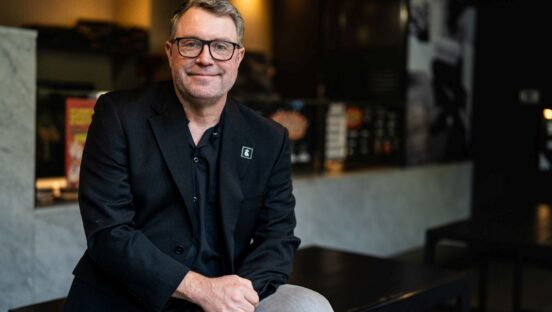
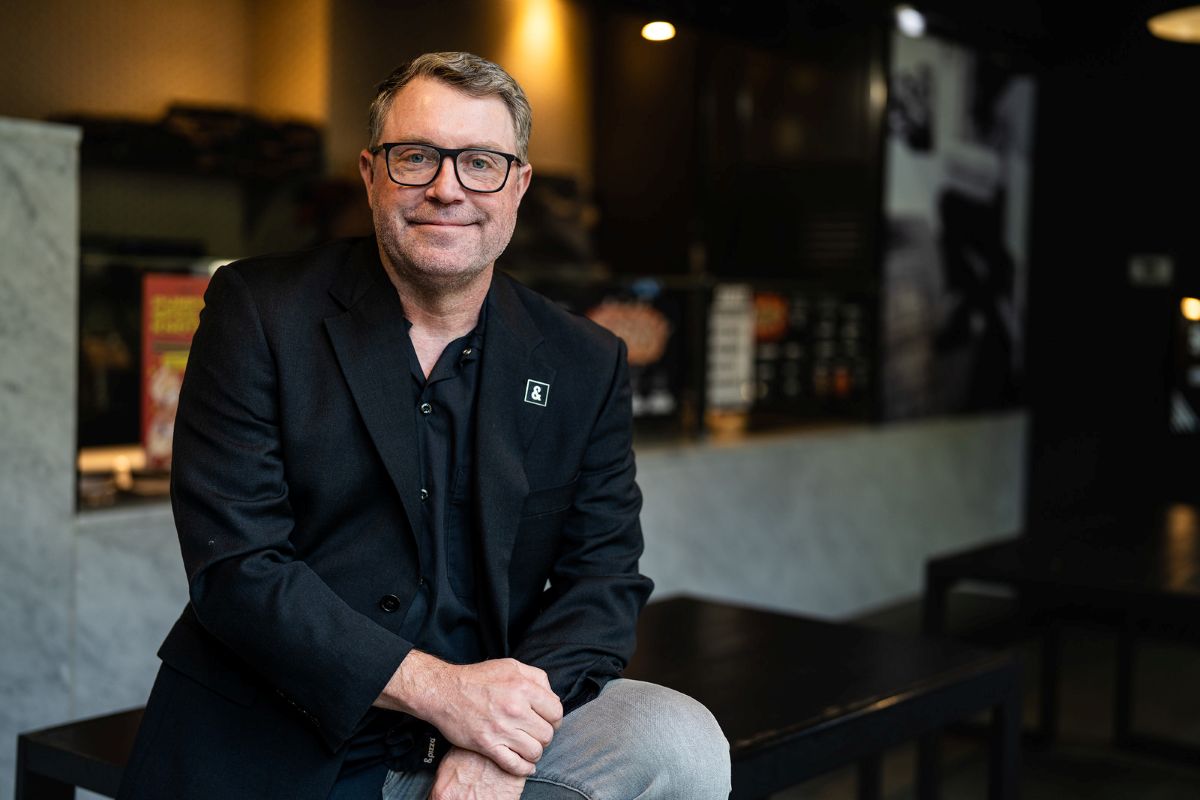
Brett Willis, chief development officer of Latitude Food Group (LFG, the operating platform behind the &pizza and Tijuana Flats brands), knows the delicate balance required when expanding a beloved brand. But that balance is even trickier when entering a completely different culture. It’s a balance fast-casual pizza chain &pizza will have to master as it plans to open its first India-based location, in Mumbai, in 2027.
The &pizza brand currently counts 43 locations in its portfolio; 38 are company-owned, and five are franchise-owned. “Latitude Food Group was built to do one thing well: accelerate brands, restaurant by restaurant, without losing what makes each one worth loving,” Willis says. “&pizza has always been an independent, expressive, bold brand. LFG gives it the operational muscle to grow faster and smarter without compromising any of that.
“This agreement is the first international proof point of that thesis,” Willis continues. “The 90s Venture is our master franchise partner for India. They own development, hiring, real estate, supply chain buildout and sub-franchising within the country. We own the brand, the standards, the training and the long-term direction. They are not licensees—they are operators with skin in the game, and that distinction matters.”
Related: St. Louis Pizzaiolo Katie Lee Expands Product Line at Large Stores: Pasta Bakes and Sauces
The agreement with The 90s Venture commits to a minimum of 10 &pizza restaurants in India by 2032, with the first in Mumbai—a vibrant city of more than 20 million. “India was a strategic decision,” Willis says. “The fast-casual category there is maturing fast. The QSR pizza giants paved the road, but nobody owns the fast-casual, build-your-own lane at scale. That’s a real opening for a brand with our format. [We picked] Mumbai specifically because it has the right ingredients to launch a flagship market: Density. A young consumer with disposable income. Real estate that fits our footprint. And cultural relevance. What works in Mumbai radiates across India. From there, our plan with The 90s Venture is to build out in the north of India before pushing into other regions.
“Beyond India, we are evaluating Asia and Europe,” Willis adds. “We are not in a rush. We move when the market is ready and the right partner shows up. Our DNA is a format and an attitude: oblong pies, fired fast, built any way you want them, served in spaces that feel alive. That travels.”
In India, Willis explains, roughly 60% to 70% of the menu will look familiar to U.S. customers. The remaining 30% to 40% will be localized, including many vegetarian-friendly items to suit local demands. “Vegetarian is not a compromise in India—it is a creative space, and our culinary team is excited about it,” Willis says. “The unconventional spirit translates because energy is universal. Music, color, hospitality, culinary credibility, speed—our partner understands the brand frame and where to localize inside it.”
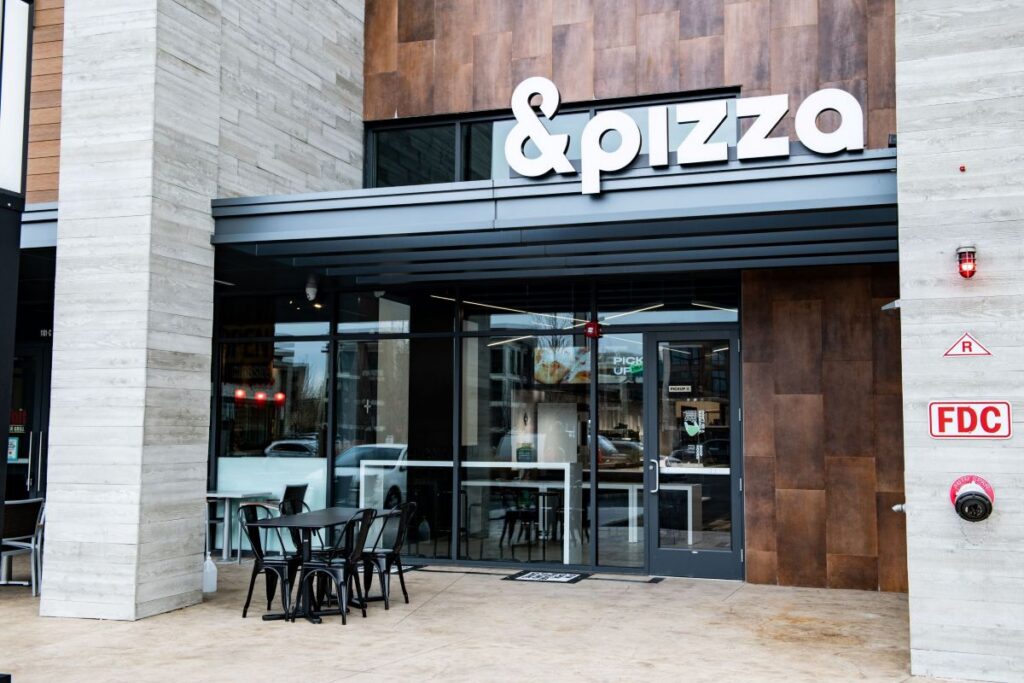
Franchising is already underway in the U.S. for &pizza as a pathway to sustainable growth. It’s “the engine that lets us scale without sacrificing operator quality,” Willis explains. “The long-term goal is for both &pizza and Tijuana Flats to be a highly franchised system. That is a deliberate model choice. Franchisees who are real operators run better restaurants than absentee owners ever will.”
In franchisees, LFG first looks for consistency and operator depth. Other positives include multiunit experience in restaurants; a cultural fit on what the brand stands for; and markets that have the demographic profile, the trade-area density and the supply chain reach to support the brand’s format. “We are not chasing every map dot; we are building deliberately,” Willis says.
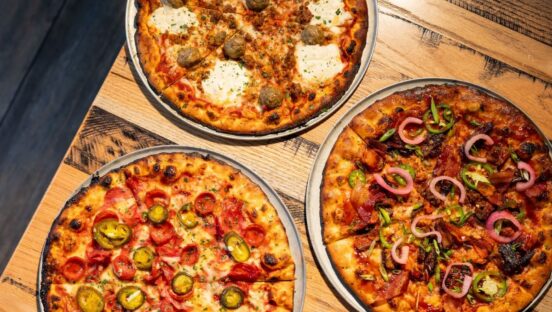
He notes that, regardless of growth, &pizza is different from “Big Pizza” in three ways: format, experience and brand. “Format is the most obvious: Build-your-own, oblong, fired in three minutes, with fresh ingredients you can see,” Willis says. “That is a different category than a phone-order, 30-minute, round-pizza model. Experience is the in-store feel—we are bold, expressive, independent. Our shops feel like a neighborhood, not a transaction. And brand is where it really separates. The traditional pizza category is built on convenience and price. We are built on identity. The brand stands for something, the community knows it, and that creates a relationship a discount chain cannot replicate.
“Abroad, that same trio is what makes us a real alternative,” Willis adds. “The big QSR pizza brands own scale. We own the space for guests who want something with more character and culinary credibility.”
Meanwhile, in the States, LFG has new &pizza restaurants on the way in Las Vegas, Atlanta and Charleston, which extends the brand beyond its East Coast core and adds three high-energy markets that, Willis feels, match the brand. “One year out, we are focused on getting those new market openings right and continuing the refranchising work at both &pizza and Tijuana Flats,” he says. “The discipline of how we open matters more than how many we open.”
For the future, Willis and his team also hold high expectations for the brands they oversee. “Five years out, both brands should be meaningfully franchised, &pizza should be operating internationally with momentum, and Tijuana Flats should be growing on a similar trajectory,” he says. “The model is repeatable. Ten years out, LFG is a platform with multiple brands operating at high quality, with a real international presence.
“We are not chasing scale for scale’s sake,” Willis continues. “Our vision is to set the standard for how restaurant groups should be built. Not the biggest. The best. Our mission is to accelerate brands that matter to guests, built from the unit up, powered by people who move fast, and operated with the discipline to scale without losing what makes each brand worth loving.”
Tracy Morin is PMQ’s associate editor.