
By Tracy Morin
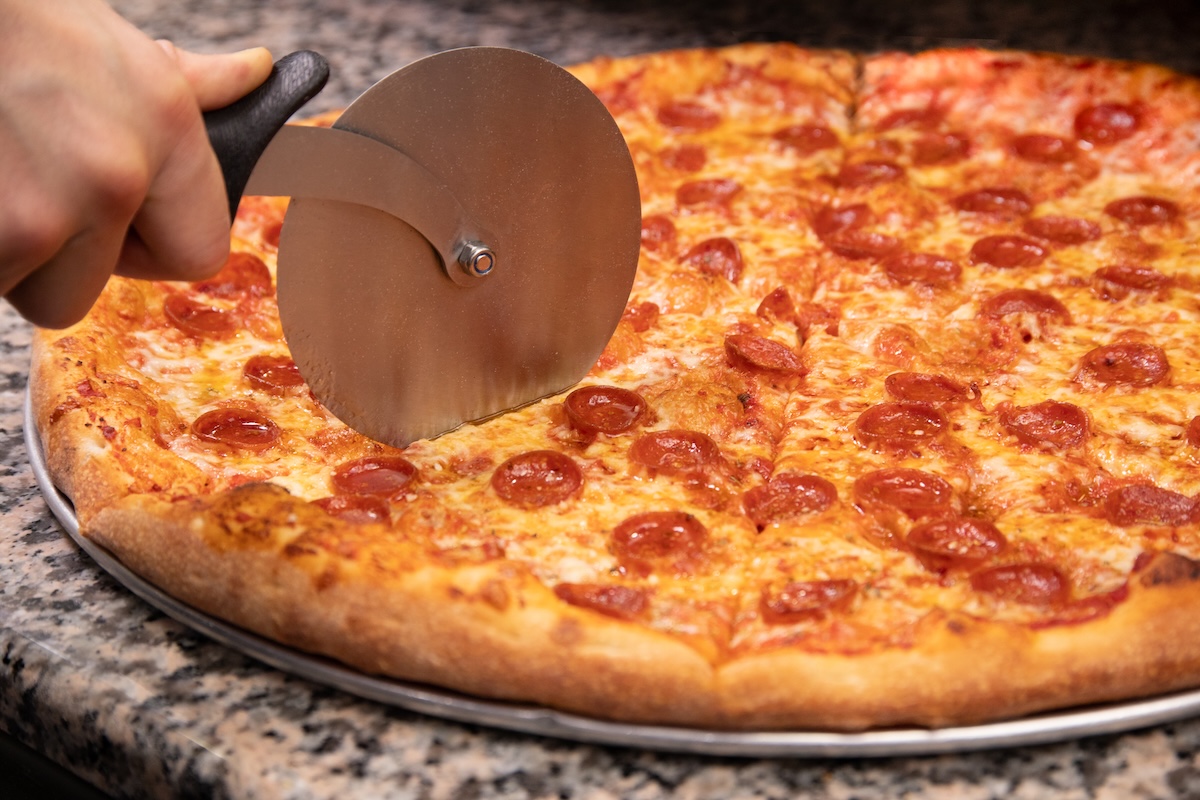
When it comes to the New York (NY) style, appearances can be deceiving. Sure, this iconic American original looks straightforward, with balanced, high-quality ingredients and a thin, foldable crust. But pizzaioli who craft NY pies with love know that this “simple” style requires a lot of care and attention. Here, six experts well-versed in the NY style share their top tips for doing it right.

Sean Ferraro, owner, Madison Avenue Pizza, Dunedin, FL
Our main pizza is a traditional NY-style pie, but we also make a high-hydration artisan-style NY pie and a NY-style Sicilian. These are my NY-style musts:
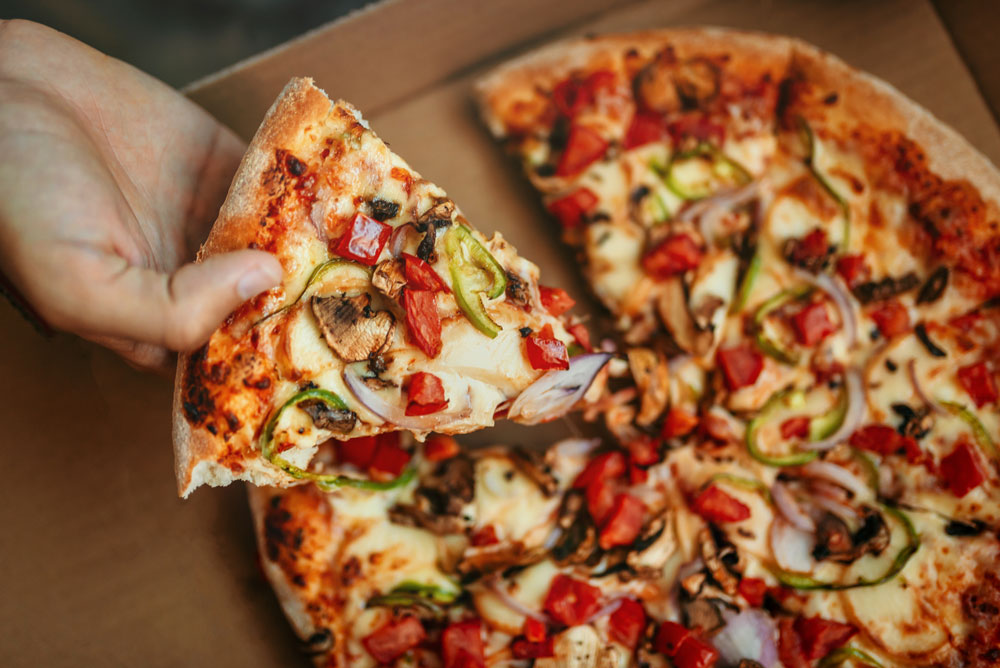
- A thinner, well-stretched pie with a nice, well-defined crust
- High-quality cheese and tomatoes (for a simple sauce)
- A bake that’s on the well-done side
- A slice big enough to fold but with enough integrity not to flop or fall apart
- A reasonable amount of toppings, sauce and cheese, so the slices retain their integrity
Most people can learn how to make a basic NY-style pizza, but it’s hard to make an exceptional and consistent one. If you want to make basic neighborhood pies, you can do that with a little practice. If you want to compete with the big dogs in Brooklyn, you’d better be willing to work hard at it and master everything.
Related: John Arena Explains How to Make New York-Style Pizza Dough

Jay Bandy, business manager, The Slice, Simpsonville, NC
The combination of texture, flavor, affordability, nostalgia, portability and cultural identity is what makes New York-style pizza what it is. It’s not just flour, yeast, salt and water—there’s a tremendous amount of effort that goes into making the dough. Here are my defining characteristics:
Texture and structure: Thin but not cracker-thin. It’s pliable, meaning you can fold a slice in half lengthwise without it breaking. The crust has a crisp outer layer with a chewy interior.
Flavor: Slightly yeasty and complex, sometimes with a hint of malt or sweetness. A long fermentation develops flavor that you don’t get from frozen dough or shortcuts.
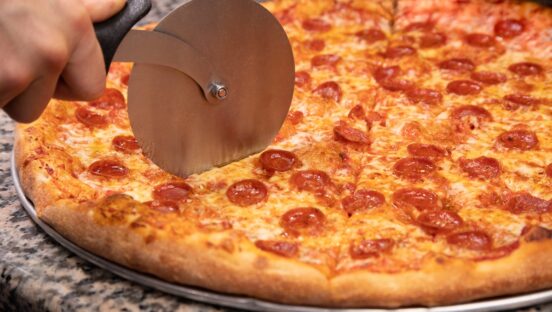
Size and shape: Can be up to 20”. The crust edge is puffy and has a good chew.
Bake: This yields a golden-brown bottom with some char, but limited—not as intense as wood-fired.
The slice: It’s thin with a little crunch, not floppy, and the ingredients don’t run. It’s foldable, so not too crispy. Excess grease often comes from cheap cheese or poor baking, not from tradition.
Related: The Secrets of Crumb Structure: From Flour to Fermentation and Hydration
Curtis Saroki, co-founder, Saroki’s Crispy Chicken & Pizza, Southfield, MI (19 locations)
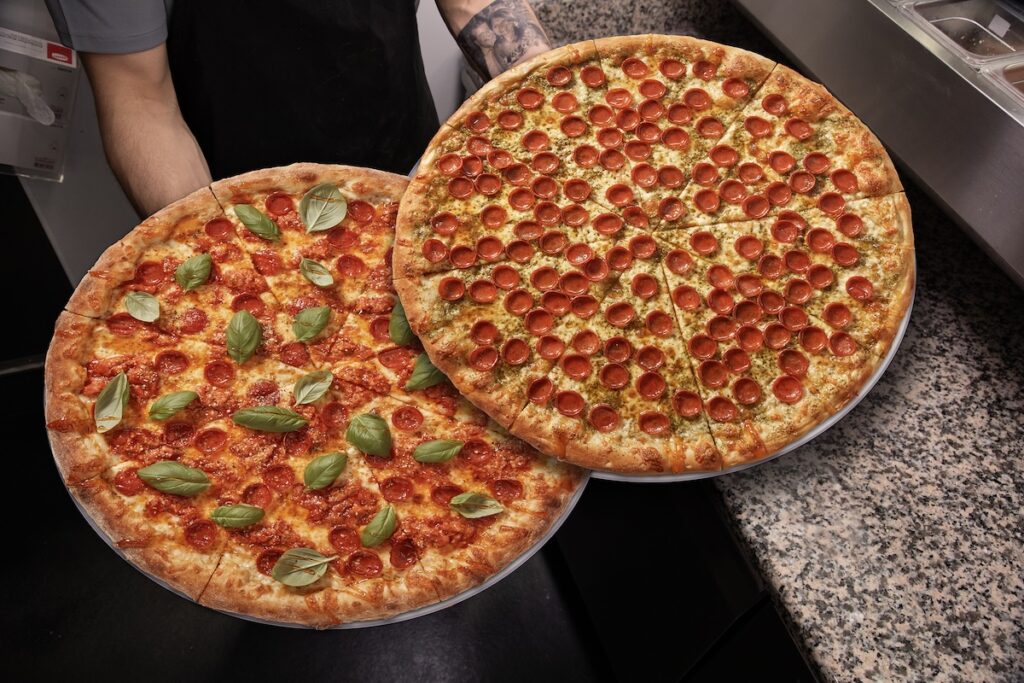
The NY style might look simple, but to truly perfect it, every single detail matters. It’s definitely not as easy as your typical pan-cooked conveyor-belt pizza.
It starts with the dough, and this is where most people go wrong. We add each ingredient in stages during mixing to build proper dough structure and flavor. After mixing, we cold-ferment the dough to develop depth and texture. Before using, we let it rise at room temp to bring out the full flavor and achieve that perfect crisp when baked. Done right, it creates a crust that’s light, flavorful and holds up beautifully—exactly what a NY slice should be.
One big mistake is using cold dough straight from the fridge. It needs time to come to room temperature, because that final rise is crucial for flavor and texture. Another is overdoing the ingredients. NY-style pizza is all about balance and restraint. Too much sauce or cheese weighs the slice down and ruins the crisp, airy bite that makes it special.
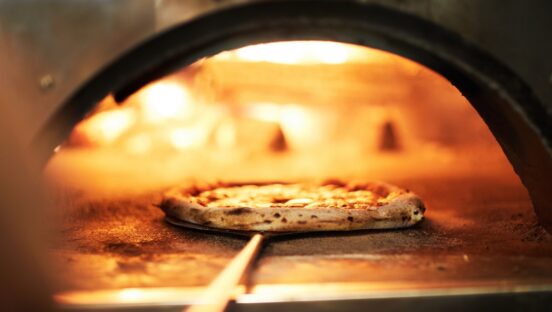
Lastly, not rotating the pizza in the oven is a common slip-up. Deck ovens have hot spots, and NY-style pizza requires attention during the bake to ensure even cooking and that signature golden crust. You can’t just throw the pizza in and walk away. You have to know when to turn it, when to pull it. It’s not rocket science, but it is absolutely an art—one that takes time, repetition and real care to master. It’s craftsmanship on a crust.
And, beyond the ingredients, there’s a culture around it. It’s a slice you grab on the go, fold in half, and eat standing on a sidewalk or talking with friends. It’s casual, but it’s serious. It’s simple, but it’s art. That mix of tradition, quality and street-level soul is what makes NY-style pizza not just popular but iconic.

John Kreidich, co-owner and executive chef, Camille’s Pizzeria & Ristorante, Oakland Park, FL
NY style can be easy—if you have the right systems in place. Consistency is everything. You need the same pizzaiolo making the dough every day and using the same brand of ingredients to keep the flavor and texture spot-on every time.
At Camille’s, our secret weapon is the “mother” starter—a sourdough base that gives the dough real personality. A proper NY crust should strike the perfect balance: a little crunch, a touch of crisp, and just enough chew to keep you coming back for another bite.
The NY style is all about versatility. You can load it up with toppings and it still holds strong. Plus, it’s built for life on the go—you can fold it, walk with it and eat it in motion, since New Yorkers are always on the run!

Jen Strickland and Terri Hannifin Buis, founders/owners, Home Slice Pizza, Austin, TX
We pay very special attention to the temperature of the water we use, the current humidity of our environment, and the consistency and length of the proofing process. We always allow our dough to get to room temperature before using it to achieve that crispy yet chewy sensation when it comes out of the oven.
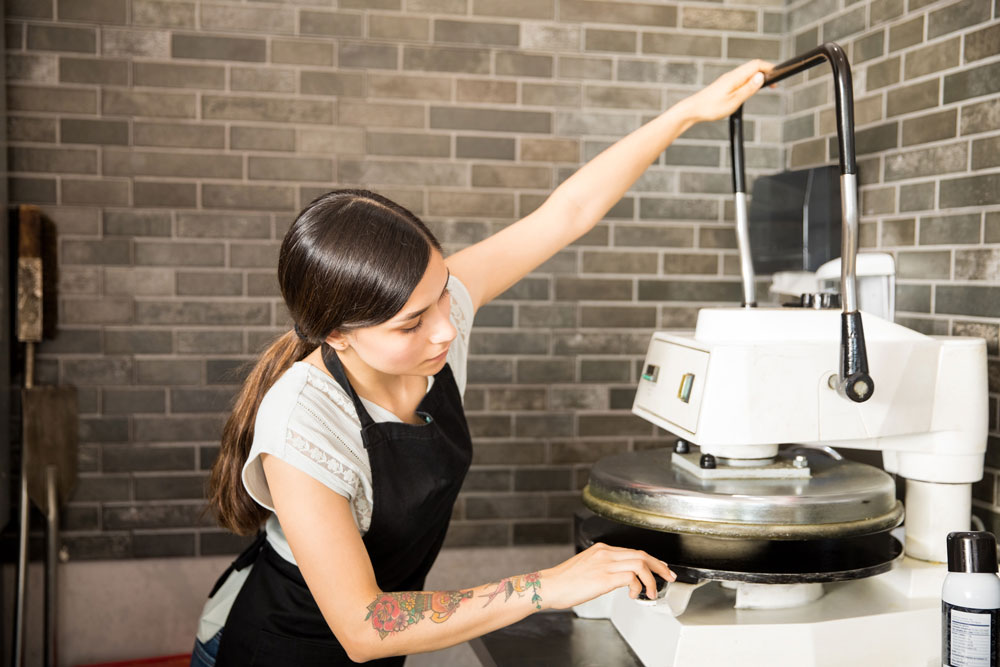
It’s just as important how you handle the dough once it’s made. Cutting the dough to the precise weight and then tossing it to the exact pie size is imperative for achieving its ideal thinness. A hot and consistent oven temperature, along with relentless management of the deck, is also pivotal for cooking the pizza evenly and achieving ultimate crispiness without sacrificing moisture.
One myth to bust is that there is only one brand of cheese or one type of flour that absolutely has to be used to create authentic New York-style pizza. As long as they’re high-quality and incorporated thoughtfully, many different options can be considered, serving as the standout ingredient that gives your pizza its own personality and separating it from others.
Related: “Who Quit, What Broke?” How Home Slice Pizza Turned Texas on to NY-Style Pies
Cary Reutter, partner and co-creator, Regents Pizzeria, San Diego, CA
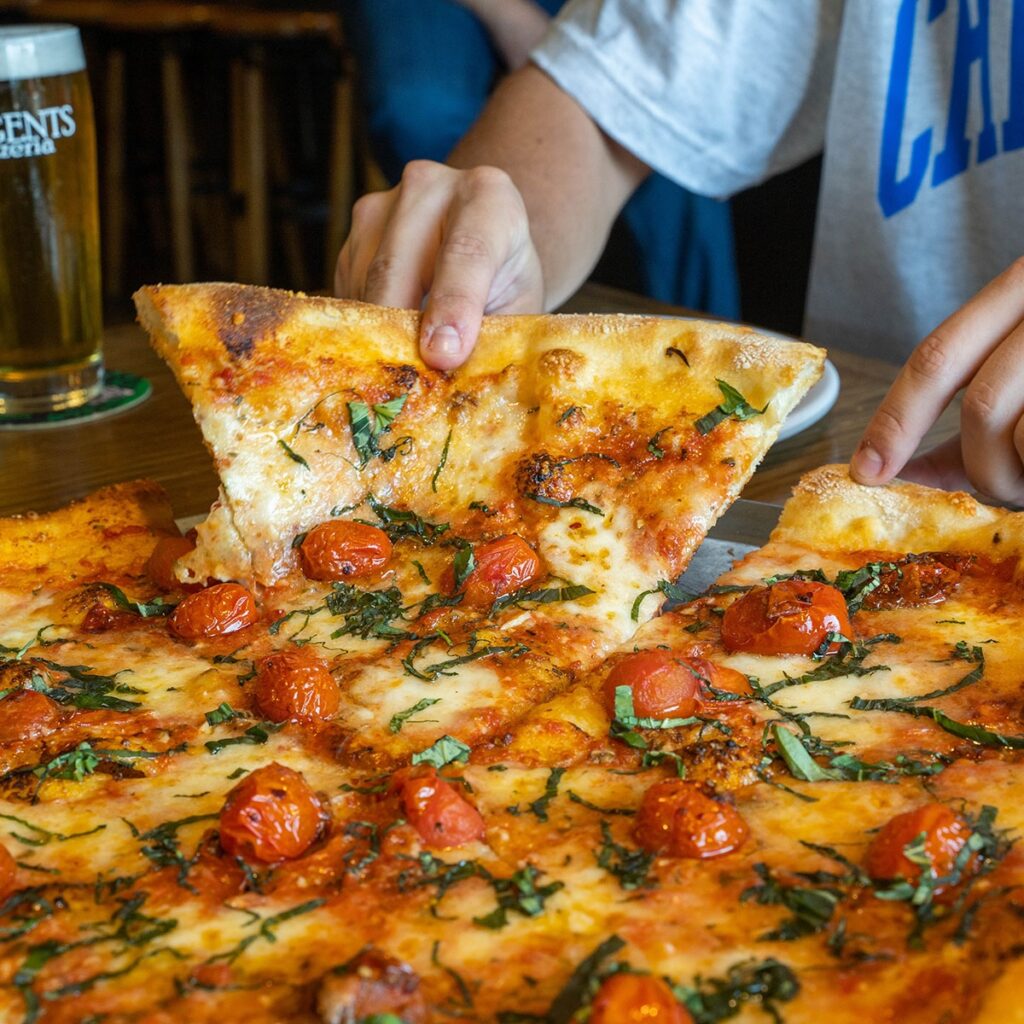
Achieving the ideal NY-style crust takes a lot of trial and error, as well as learning from other industry experts and competitors. Preparation and execution varies from restaurant to restaurant—it’s up to you to figure out the process that yields the best results for your operation.
At Regents Pizzeria, to create that perfect crust, we focus on quality ingredients and a consistent dough making process. The dough recipe is simple: high-quality, high-gluten flour, fresh baker’s yeast, kosher salt and extra-virgin olive oil. Because of the variability of baking, we systemized our process to be very specific—starting with a finished dough temperature of 80°. This is high by most standards, but we’ve learned it’s the right temperature for our process. To achieve that, we measure temperatures across the baking process—air, water, flour. We know the coefficient of the friction in the mixer, and we can identify by calculations what the temperature of the water needs to be to achieve the 80°.
We’ve established narrowly defined times allotted to ball the dough, cold-ferment for two days, and stick to narrowly defined time and temperature timelines for pulling the dough, doing the initial and final stretches. We’ve determined a target temperature for the dough when it enters the oven.
Once in the oven, we have a rigorous process for cooking and rotating the pizzas through the oven to achieve that desired (and delicious) end result. If you aren’t testing and refining your process and ensuring consistent execution with a well-trained staff, you won’t achieve that perfect crust.
Tracy Morin is PMQ’s associate editor.