
By Tracy Morin
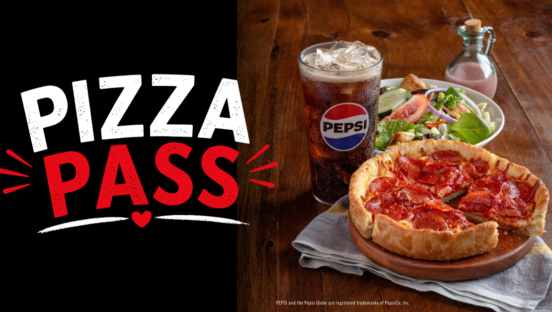
There was a smart strategy behind the UNO Pizzeria & Grill limited-edition Pizza Pass. It not only sold out within hours—the response was so strong, it crashed the pizzeria’s website, leading to the company releasing a second round of the passes in September.
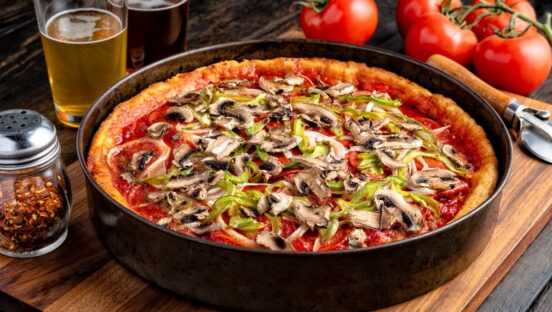
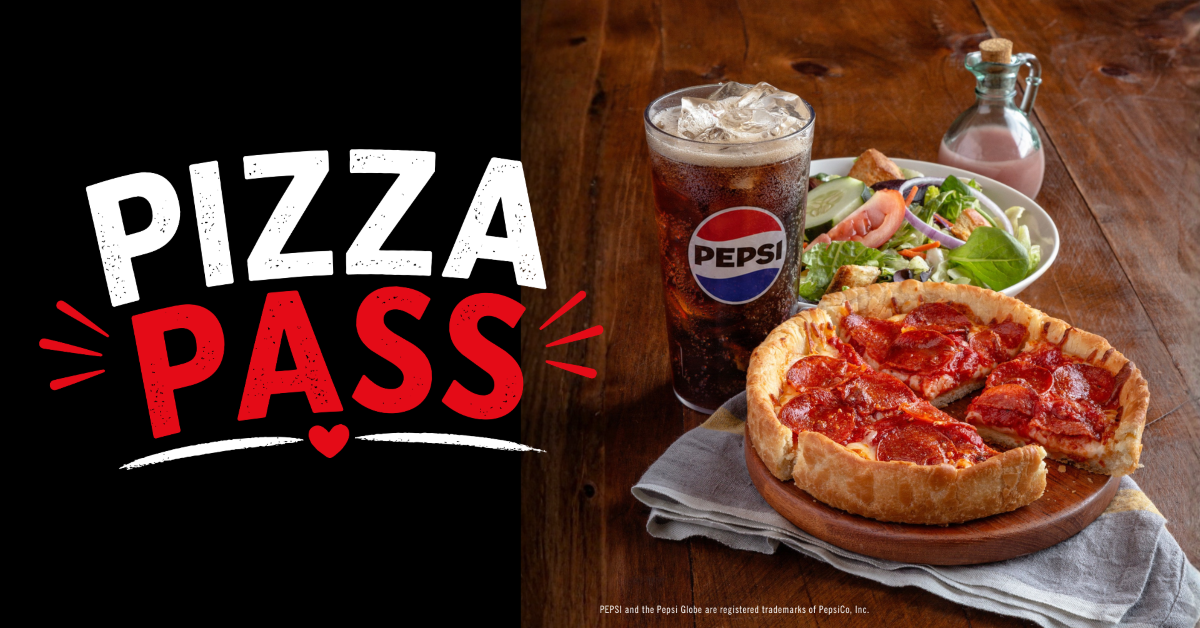
The UNO $99 Pizza Pass (not including tax and gratuity) offers customers the chance to eat a meal for less than $1.50 per day over the course of the promotion. Pass holders can visit participating UNO restaurants once per day from September 5 through November 13 to enjoy unlimited servings of all eight deep-dish pizza varieties on the menu, including cheese, pepperoni, sausage, the Farmer’s Market and Chicago Meat Market, plus unlimited House or Caesar Salad and Pepsi soft drinks. The Pizza Pass is usable for dine-in only, and customers must present a valid ID matching the name on the Pizza Pass.
For die-hard fans who missed out on snatching up one of the sold-out Pizza Passes, UNO offered a consolation prize: Bottomless Pizza & Salad for $14.99 per person. “The two programs really work hand-in-hand,” notes Chris Dellamarggio, director of marketing for UNO Restaurants, which has 37 locations nationwide. “The early promotion and media attention of the Pizza Pass led right into the Bottomless Pizza Deal. If you missed out on the Pizza Pass or just decided not to purchase, then you can come back for the Bottomless Deal for 10 weeks.”
Dellamarggio sat down with PMQ to discuss details about the website-crashing promotion, how it works financially for the company and whether the brand sees more subscription-type services in its future.
PMQ: What was the inspiration behind the Pizza Pass?
Chris Dellamarggio: This is a creative value play. Rather than a standard discount or coupon, this was a fun and creative way to extend a great value program. The intent was to bring in new customers and increase visit frequency.
PMQ: Were you surprised by the level of demand, and what did that response tell you?
Dellamarggio: The uniqueness of the program and the great value created a lot of awareness and anticipation for the time when sales went live. So when it went live, we had an incredible amount of web traffic to contend with. We experienced a short, few-minute outage. We were really happy to see the response and interest in the Pizza Pass. Sales were fantastic. Based on the response, we felt that we had a good combination of fans of the brand and deep-dish pizza as well as folks looking for value.
PMQ: How did UNO arrive at the $99 price point, and how will that decision play out in terms of profitability?
Dellamarggio: We did not want to cross the $99 threshold; the $99 felt right to maintain the pass as an incredible value. It’s our first time running this promotion, so we don’t have any past data to work off of. There are so many elements [that will influence profitability], such as number of visits and other items purchased with a redemption, etc. It’s really meant to be a traffic driver and a feel-good offering for the consumer.
PMQ: How did UNO prepare its restaurants and staff for the new offering, and how did you handle the initial marketing of the Pizza Pass?
Dellamarggio: We had communications go out to the restaurant staff on how to answer common questions that we anticipated. Our marketing efforts included email, UNO website pop-ups, social media (paid and organic), press releases and press outreach.
PMQ: Are Pizza Pass holders primarily existing UNO customers, or is the promotion bringing significant numbers of new customers into the brand?
Dellamarggio: We saw about 65% of purchases were by our loyalty program (UNO Extras) members. So there seemed to be good engagement and purchases by folks outside of the brand.
PMQ: Beyond the pizza, how important are beverages, appetizers, desserts and other purchases to the overall economics of the promotion?
Dellamarggio: Add-on purchases are a big part of the promotion. There is no mandatory element of additional purchases by the guests, but we just know that regular consumer behavior will bring additional purchases of drinks (soft drinks and beer) and other add-ons such as apps and dessert.
PMQ: What are the key metrics you’re tracking to determine whether the Pizza Pass is ultimately successful—visits, revenue, customer acquisition, repeat business, profitability or something else?
Dellamarggio: Certainly, what we can determine as new customers was a win right off the bat. Beyond that, we will be looking at visits, average check when a Pizza Pass is present, store comp sales and number of happy guests with a full belly (that’s a technical statistic!).
PMQ: Could offering subscription- or pass-based restaurant offers become a recurring part of UNO’s strategy?
Dellamarggio: The Pass-type program was a lot about the promotional aspect of the program. But it also was about offering a great value in these tight times. We need to assess the program in its entirety to know for sure that we will repeat, but early indicators are that we will offer variations in the future. There is a possibility for a Chicago-exclusive Pizza Pass for our original Pizzeria Uno and Pizzeria Due locations, and for other seasonal Pizza Passes systemwide where appropriate. As a marketer, this was a fun activation to design and execute. It’s always rewarding to bring great value and great food to the public.
Tracy Morin is PMQ’s associate editor.