
By Brittany Engler
What began as a dream with a baby blue Chevy truck has grown into a multi-location pizza party expanding across the Mid-Atlantic.
In their 20s, Chris Brady and Andrew Dana were frustrated by the monotony of corporate life. For Brady, his job in tech sales wasn’t satisfying his entrepreneurial spirit. He wanted to get out of the cubicle and interact with real people. Dana felt similarly, with a specific passion for pizza. Dana even wrote his grad school thesis on opening a pizza place, later using some of those techniques to help shape Timber Pizza Co. into the brand it is today.
- Founders: Andrew Dana and Chris Brady
- Headquarters: Washington, D.C.
- Unit Count: 11
- Year Founded: 2014
- Annual Sales: $11.6 million (2025), $14.5–$15 million projected for 2026
While in Charlottesville, Virginia, for a sales trip, Brady came across a caterer who served wood-fired pizzas at weddings. This chance encounter would be the final push he needed to leave the corporate world. He picked up the phone, called Dana, and the vague, long-lunch conversations about leaving corporate America suddenly became the foundation for a real business.
“That was the lightbulb moment in January of 2014, where I was like, we should do this right,” Brady says. “Over the next four months, we bought a ’67 baby blue Chevy, a wood-fired pizza oven from Colorado, and went out there to kind of a pizza camp and learned the basics of dough, fire, and trailering in the oven and getting around safely, and just went for it. And sure, four months after that, we were selling pizza around the streets of D.C. and having a great time doing it.”
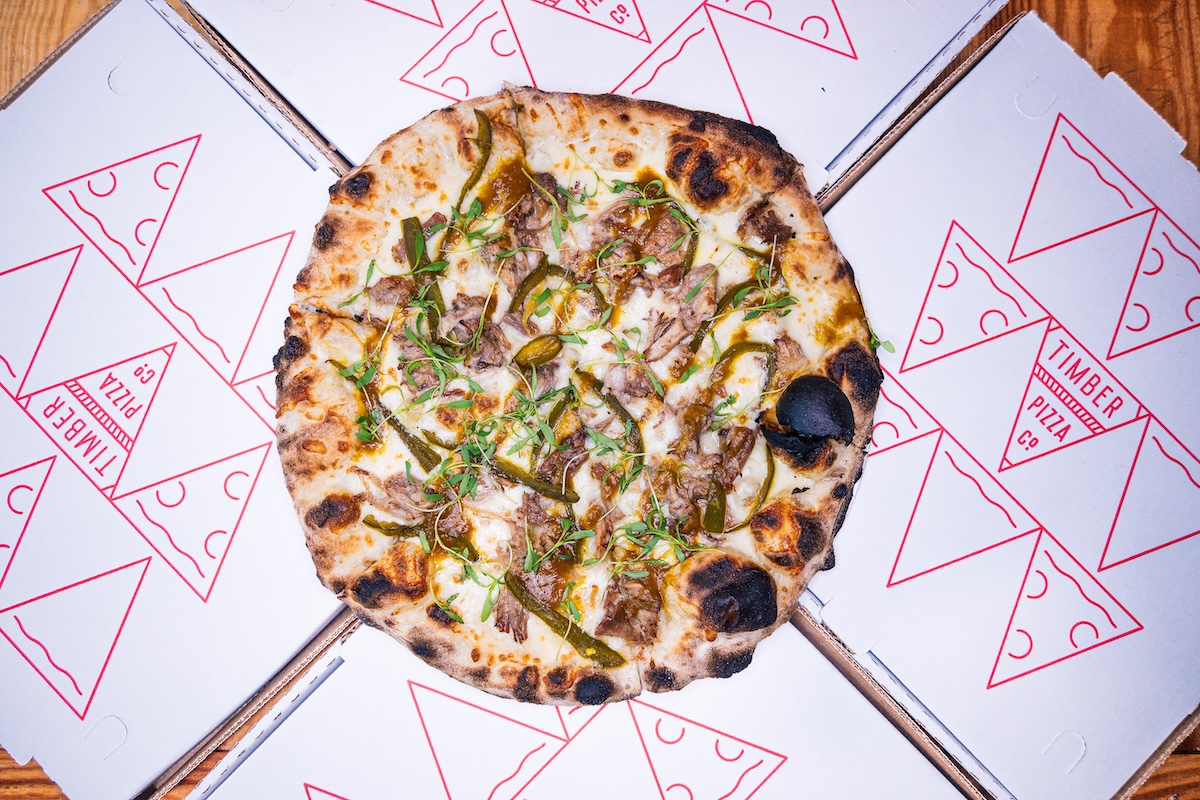
They weren’t heavily capitalized restaurateurs with a board of directors to answer to; quite simply, they were just a pair of friends chasing the American dream. The pizza itself was born entirely out of a desire to create a pie that they, along with their friends and family, genuinely wanted to eat. They intentionally bypassed the rigid, strict ideology that often comes with artisanal pizza-making. Instead, they aspired to build a highly craveable recipe, blending the bite of a classic New York slice with that of Neapolitan wood-fired pizzas.
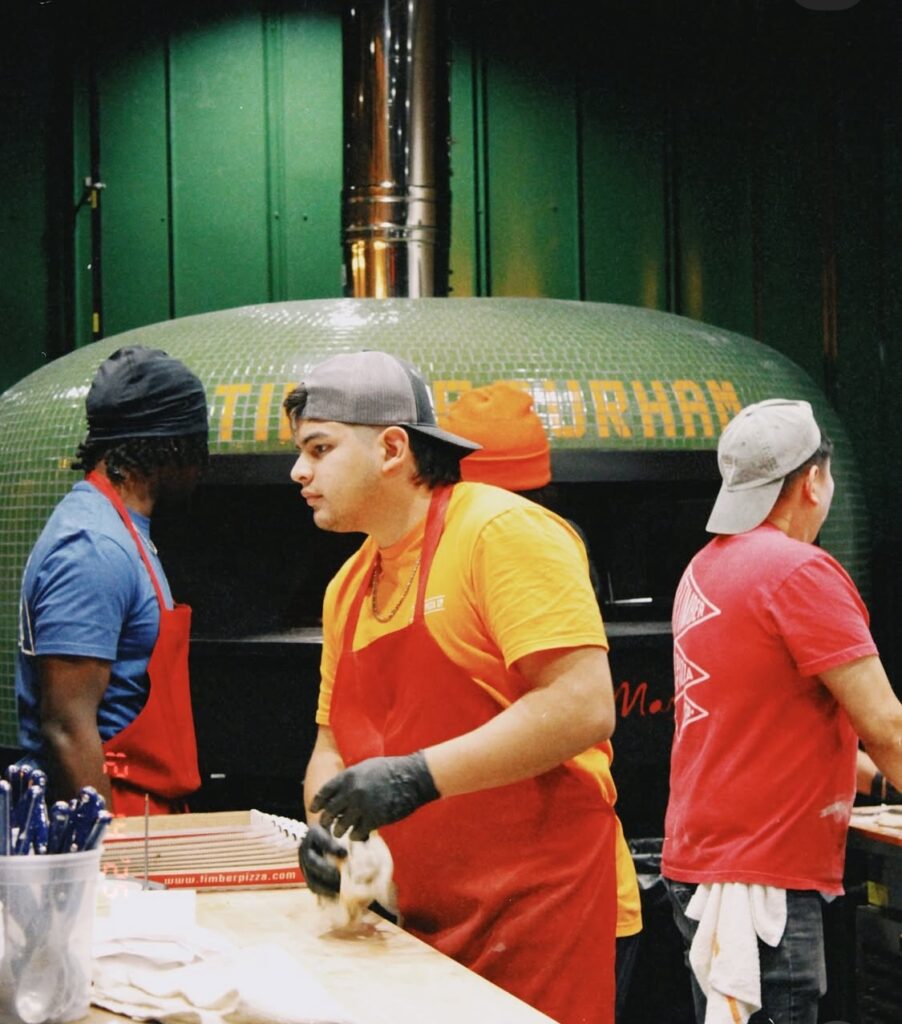
“We never took ourselves too seriously. We’re not chefs,” Brady says. “We just wanted to have fun, make great pizza, and give people a great experience.”
The business grew, and soon, menu research and development became more purposeful. In the early days, menu development meant brainstorming with fresh finds from the local farmers’ market and serving pizzas to office workers downtown. Today, Chef Jeremy Waybright of the Charleston team leads a more structured R&D process, testing flavors ahead of quarterly menu updates. While menu development has evolved, the brand’s food offerings remain focused and approachable, with a seasonal rotation of empanadas, salads, pizzas, and desserts.
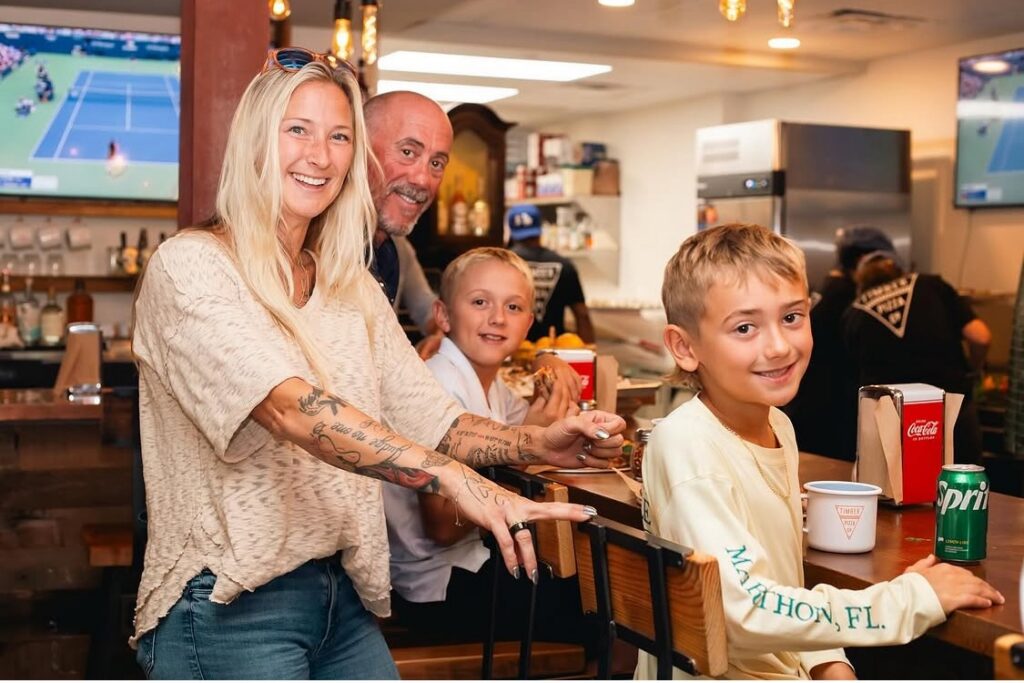
This subtle balance of structured consistency and localized charm drives Timber Pizza Co.’s franchise strategy. Brady calls the framework an “85/15 model,” meaning 85 percent of the restaurant elements remain standardized across locations, while the remaining 15 percent is adapted to fit the local community. In an industry where legacy franchises commonly demand uniformity that can hide a neighborhood’s unique character, Timber actively empowers its people to incorporate community character into its local menu.
“We want 85 percent of Timbers to look, feel, act, and function the same way. And that 15 percent we really want our franchise partners to be able to cultivate for their local market,” Brady says.
In practice, this means the brand actively avoids domestic macro-brews on tap in favor of localized craft beer partnerships at every single location, alongside regional spirits and wines where available. Franchisees are encouraged to partner with local farms and welcome the culinary identity of their region. The ultimate proof of concept for this hyper-local collaboration was recently executed by Waybright at the Timber Pizza Charleston location. Situated just a short walk away from the legendary Lewis Barbecue, the Timber team recently connected with their esteemed neighbors to create a wintertime brisket pizza and brisket empanadas. It was a natural, highly successful cross-collaboration born purely out of geographical proximity and shared respect, showing how strengthening local operators elevates the menu in a way that feels natural to guests.
This mix of pizza, people, and purpose has given impressive financial results. After earning $11.6 million in sales last year, the company projects $15 million in sales this year. The company now operates nine brick-and-mortar units, along with two mobile wood-fired trucks.
Brady says the vision is to not grow just for the sake of growth The chain’s immediate expansion strategy is highly intentional, focusing strictly on continuing to penetrate the Mid-Atlantic and Southeast regions. Specifically, they are targeting culturally rich, community-driven markets like Savannah, Georgia; Wilmington, North Carolina; and Greenville, South Carolina. By keeping their geographic outreach relatively focused over the next few years, the corporate team can provide hands-on, face-to-face support while continuing an incredibly simplified supply chain. Expansion into markets further south into Florida and west into Texas is planned as well, but only when the infrastructure and team members are ready.
Of course, with expansion comes new challenges. An obstacle to Timber’s growth isn’t access to capital or prime real estate; it’s finding the right operators who fundamentally align with its purpose. When reviewing potential franchisees, the primary metric is culture and character fit. Brady personally conducts early interviews to discuss the “why” and “how” of the journey, ensuring potential franchisees view the business as similar to himself and the team.
“We really seek partners that want that same flexibility and challenge and embrace that they’re doing this for not just financial reasons but more so for a lifestyle,” Brady says.
They are looking for partners who are moving toward a new way of living, much as he and Dana did a decade ago.
As Timber transitions into its next phase as an emerging mid-size brand, it remains concentrated on initiatives that serve its people. This summer, the brand is hosting its inaugural franchise conference in its home base of Annapolis, Maryland, prioritizing collaboration and water-side activities to ensure the first wave of franchise partners have a genuine voice in developing the system’s future direction.
Technologically, they are heavily focused on improving their guest experience. Over the next two quarters, Timber plans to launch a brand-wide loyalty program. True to the company’s ethos, this won’t be a standard, point-collecting program. It is taking its time to curate a program that is heavily experiential and lifestyle-based, designed to offer guests genuine value and memorable moments beyond just earning free food.
Even as it plans for the future with new technology, fresh swag, and larger reach, it keeps its focus on its origins. The vintage 1967 baby blue Chevy that started it all isn’t hauling ovens to farmers’ markets anymore, but it still proudly sits parked in front of one of their locations, serving as what Brady laughingly calls a “sexy marketing piece.”
This article originally appeared on PMQ Pizza’s sister site, QSR.com. Click here to view it.