
By Tracy Morin
Poppy Pies, a multi-style pizzeria (serving Neapolitan, Detroit and New York pies) in Jackson, Mississippi, recently received a Michelin recommendation for the American South. But this mobile-turned-brick-and-mortar operation came by its success honestly: by starting small, paying attention to the details and supporting community building along the way.
PMQ recently chatted with owner Gray Welch in person at the pizzeria to learn more about his journey from making pies on the fly in a $500 portable oven to earning a Michelin nod. Clearly, he’s doing a lot right—including a Ritz cracker-topped specialty that rivals pepperoni in sales numbers and a single TikTok post that boosted January sales 70% year over year.
See Part Two of the interview here.
PMQ: What was it like to receive a Michelin recommendation this year?
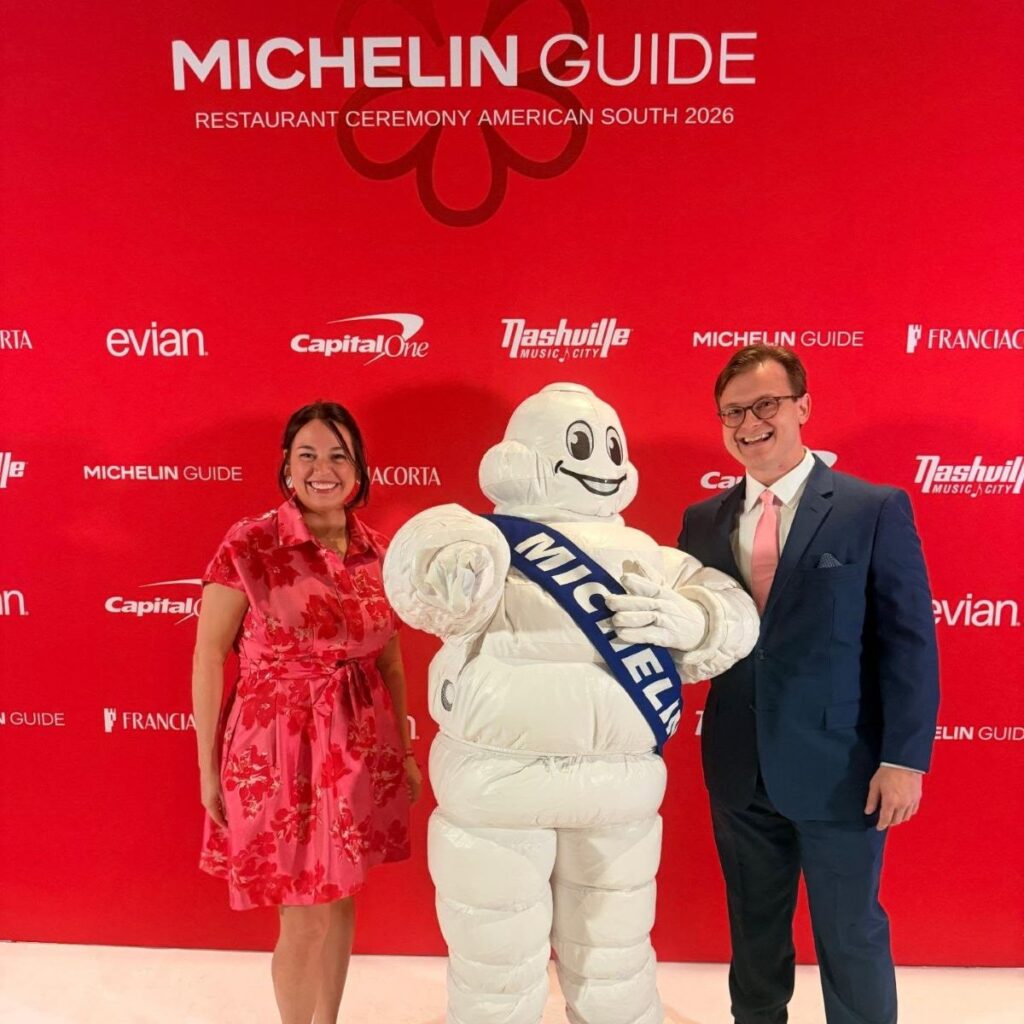
Welch: This Michelin recognition that we’ve just received is never anything that I would have anticipated. I never thought that anything like that was on the table for us, so I thought the whole thing was fake. I was getting all these emails, and I was like, “Michelin! Whatever. Delete.” Because it was saying, click this link, submit menu photos, what’s your information, all this sort of stuff. I was like, “Yeah, you’re not getting my identity today, buddy.”
Eventually, I kept getting so many more of them that I asked some local folks who have had these recognitions before. I said, “Does this email look right?” They were like, “No, that’s real. The ceremony’s happening, so that probably means you’re getting something.” It still doesn’t feel super real, but we’re just appreciative.
PMQ: One of your most unique pies is topped with Ritz crackers. Tell us about that pizza and your approach to menu development.
Welch: If anybody looked at our menu, you’d say it’s fairly basic. There are a million things that we don’t do, like the whole prosciutto-arugula-pear thing. We are not an authentically Italian pizza spot. I reject the notion of authenticity, because I don’t really even know what that means. I’m not Italian, so I’m using recipes from [other] people for the red sauce and the dough and everything else. I’m learning techniques.
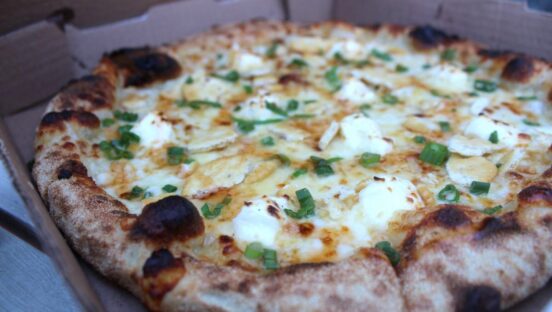
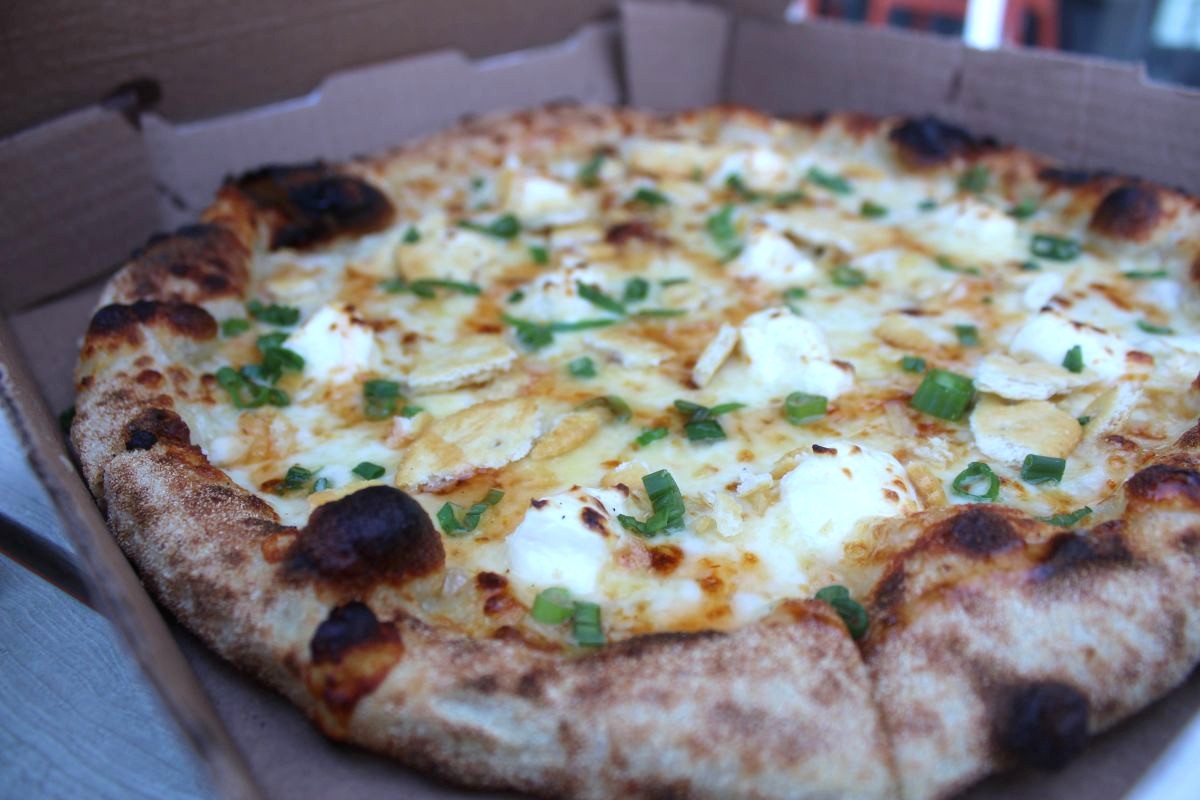
But when it comes to the pizza, the things that sell the most, No. 1, were total accidents and, No. 2, are quintessentially Southern. So The Captain [with cream cheese, bacon, Ritz crackers, green onions and sweet pepper glaze] almost sells as much as a pepperoni, which is insane, because pepperoni is the most popular topping in the world.
I can always tell a day if we have a lot of regulars or if we have enough new people in the area, based on how close The Captain and Pepperoni are. On a big festival day, when there’s a lot of new people, pepperoni goes really high, because when you try to sell crackers and cream cheese on a pizza to somebody, they go, “I don’t know about all that.” When you look at [that combination], it’s bizarre. You don’t think it’s going to be good—which helps us, because if the bar is set low, then when you try it and you’re like, “I never would have thought that worked as well as it does; that’s actually super good,” we’ve surprised you.
I wish I could say that was on purpose. It just kind of happened that way. This pizza is based off a dip that’s quintessentially Southern and that we always have at family gatherings. It’s not spicy at all; we use a sweet pepper glaze that is basically wet pepper jelly. At Grandma’s house, she would pull out a Philadelphia cream cheese block and just put pepper jelly on it, and you’d have some Ritz crackers to scoop it with. It’s like that, but a pizza.
I think it works super well because it kind of tacks on to that nostalgia that people have about that sort of flavor combination, and it puts it in a way that you wouldn’t have expected to be good, which is on a pizza. We have a house cheese blend that’s the base—no sauce—and that’s smoked Gouda, white cheddar and mozzarella, and then it has bacon and cream cheese. That’s what goes in the oven. After baking, it gets topped with crushed Ritz cracker, green onion and then the sweet glaze. If it weren’t for that pizza, I don’t know that we would have made it as far as we have.
If I’m seen in public and people are like, “That’s the Poppy Pies guy!” every time, they’re like, “Love that Captain!” I wish that I could say that my logical thinking brain perfectly sculpted the exact sort of thing that Southern people would be drawn to, but that’s not what happened.
PMQ: How did you get started in the pizza industry to begin with?
Welch: This has been a four to five year process at this point, and here we are. We opened the brick-and-mortar September 2024. The mobile operation prior to that was the very beginning of 2022. I was a big, dumb idiot, and I thought that I was capable of doing something like Tony Gemignani, right? So I read his book and saw the stuff that he does. I was like, “Well, if Tony’s got seven ovens and does X number of styles of pizza, surely I can try a few less than that and figure it out.” If I went back to the very beginning and I fully understood exactly what’s required, I’m not sure I would have made the same choice. But we do it now, so it is what it is!
I worked at a spot locally in town. They produce a New York-style pizza. They’re kind of a local institution. I got my start in that. I had previously worked in finer dining spots and thought that pizza isn’t real cooking—until COVID happened. A lot of work dried up, and they opened a second location of this pizzeria. I had never been a part of an opening before, and a father needed to make a paycheck, because I had a baby on the way—that would be Poppy, our first child. And then once I started to work in pizza, I realized how wrong I was and how fun it was to make pizza.
There was one particular moment when I was in the restaurant, training. It has an open kitchen, so you can see into the dining room very easily. I don’t know if this was a trial by fire, but everybody left one afternoon. I got left alone in the kitchen, and there was one big family group that took up two big tables, 20-something people. They all ordered a bunch of different stuff from all over the menu. I threw everything together, and I feel like I actually did a pretty good job.
But the point was that when I had finished everything, I was looking out into the dining room, and I saw one of the babies sitting in a high chair, eating the cheese pizza that I had made. (Eating is probably a strong word. It was more like smashing against your face, smearing the cheese and sauce all over the place.) There’s something about the whole family enjoying each other’s company, and realizing that I had done that—that I had facilitated that moment they got to share. And I think that’s stuck with me for a long time.
PMQ: How did you eventually start Poppy Pies?
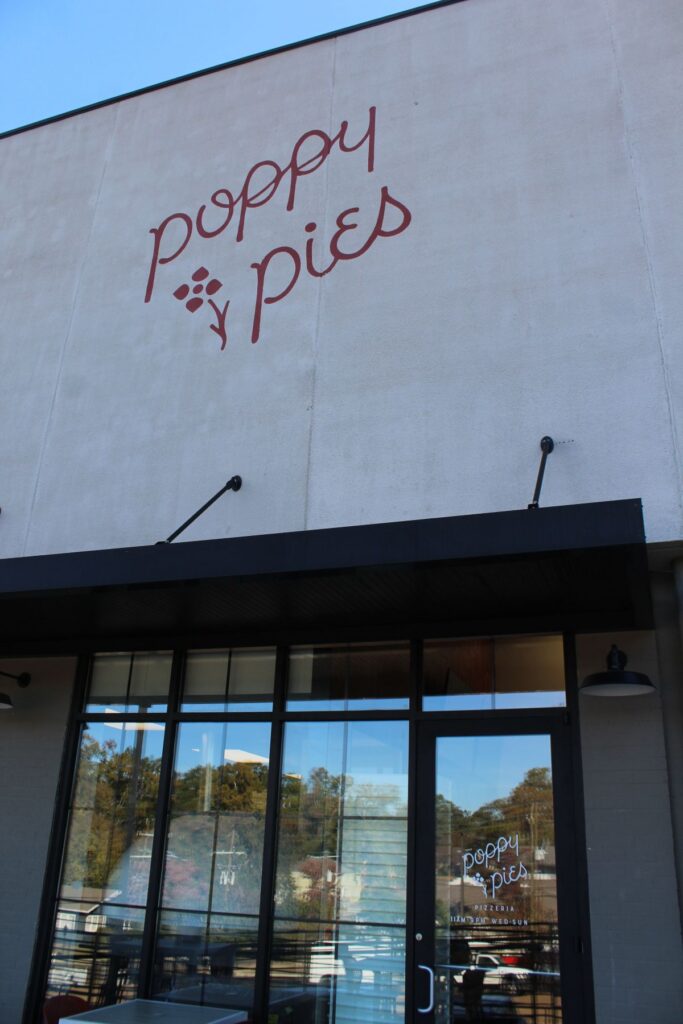
Welch: I took a tax return, because I was living paycheck to paycheck at the time, and I put that towards a 10-by-10 tent, three folding tables and three Gozney Roccboxes. Within six to seven months, we had enough going on that we moved into a Fiero trailer. So we had a full wood-burning pizza oven and did that for one and a half to two years. Slow and steady, we grew into what is now our brick-and-mortar, but it’s still small. It’s not a full-fledged, full-service operation. There are tables and chairs, but it’s counter service; you get a text when it’s ready. And we’re only 956 square feet, so it’s been another small, organic step forward, which I think has served us very well. Each step made sense at the time. There was no massive leap. It was kind of organic the whole way.
PMQ: How did you determine the styles you wanted to offer, then develop the recipes?
Welch: I caught videos of Vito Iocapelli on YouTube, as well as some other folks who I saw running businesses, like Peddling Pizza in the U.K.—they were using these smaller ovens that were relatively new to the market: Gozney Roccboxes and Ooni in the U.S. I thought, they’re $500 apiece—that is not offensively expensive. The barrier to entry is low enough, and Neapolitan happens to be a style of pizza that works well in a food truck or vending sort of setting, because it cooks in 90 seconds.
So I basically started with recipes that I found online, and then the more you understand how dough works, you just tweak it. I’m sure if we look back now at some of the pictures from the beginning, what I thought looked amazing, it’s hilarious how bad they are, but it was at least enough to get the train moving.
PMQ: Then you added the Detroit style later?
Welch: I knew that I wanted to do Detroit. I don’t know what it was, but once you start investing in pizza and you’re buying people’s books and reading them all, especially Tony Gemignani’s in particular, you see every pizza style you can imagine. You’re flipping through and you’re seeing Sicilian, grandma, the million different varieties. And Detroit, for whatever reason, stuck with me. I just thought it was really interesting.
I played around with it one day and made one, and I was like, this is amazing: the cheese edge (frico) and the softness of the inner dough and all the rest of it. Where Neapolitan is really light and accessible, Detroit is kind of the exact opposite of that—when you think of the quintessential pizza being crispy, cheesy, fairly greasy and a hearty meal that will make you fall asleep after. They juxtapose each other in a really good way, where they’re the opposite ends of the spectrum. So I can’t really point out exactly what drew me to Detroit. I just knew that it felt like it made sense.
And we didn’t really figure out a whole lot of recipes until the shop was beginning to open. That, more than anything else, was one of the biggest pains: trying to figure out how to not use the same dough and have something that was Detroit-specific, as I’m not a big fan of hybrid stuff. It makes sense, operationally, to cross-utilize as much as humanly possible, but the goal we set out to do is offer pizza styles that are not available anywhere near us, so that we’re a spot where people will have a more intimate understanding of pizza as a genre of food—not like what they’re used to experiencing here.
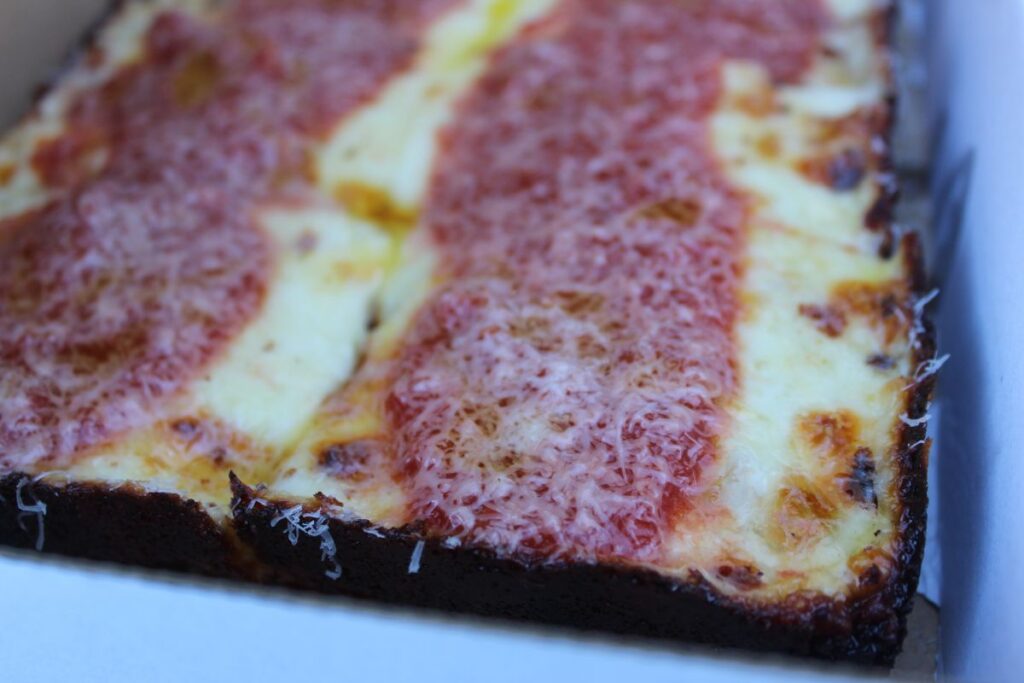
PMQ: Where does the New York style fit in?
Welch: Because of the ovens that we have, we do those only two days a week. Sunday is the main day. We sell out each Sunday. And I don’t view selling out as a cool thing. I like things to be available for people. It’s purely a capacity problem, with the oven that we have. In order to do anything else, we’d have to have a small renovation and get a different oven and all, and there are some large dollar signs attached to that. So it’s got to reach a critical mass before we can move into that. I think, ideally, if I could snap my fingers and money were no problem, we would serve all three pizza styles all week long.
New York is super popular, because people understand what it is. You come up to the counter and you’re like, “Let me get a cheese pizza,” and somebody says, “Would you like Neapolitan, Detroit or New York?” They’re like, “I don’t know what those first two are, but I just want a cheese pizza.” I think the education piece has been a unique sort of challenge—you know, the whole, “Is it burnt, or is it charred?” And there are plenty of times where we definitely take it way too far and have to fix it.
But in general, I think New York pizzas, everybody’s familiar with them. They feel safe. It’s apparent, if you take those to a craft/artisanal degree—especially for people who travel, who go to New York, who’ve been to L’Industrie, all the places that everybody writes about—visually, they are right in line with them. Which is weird for me to say out loud, because it makes me uncomfortable to put myself next to other people who are super talented. But I think if you had one, you’d be like, “Yeah, I don’t see tremendous difference between what we’re producing in Mississippi at our shop versus any of the best shops in New York.” I feel pretty confident about that.
PMQ: Is it still, or always, an education process for customers?
Welch: For the people who are trying it for the first time, you can usually tell when they’re a little apprehensive about what they’ve gotten. But for any time that folks have, let’s say, had reasonable feedback, like, “It’s not what I expected,” I feel like our reputation has been built on really good customer service. I totally understand if this [pizza style] is not your preference. But we have to assure you that this is on purpose. Pizzas that we just burn the ever living crap out of, we need to fix that as a customer service piece. But if it is the way that we intended to do it and it’s not your preference, we can fix it and we’ll make you another one that’s just intentionally less cooked—put it in a colder spot in the oven or something like that.
At a certain point, you just gotta say, “There’s a level of education that people are never gonna care about.” They just want to eat good food and be treated well. So I feel like as long as we do those last two things, we can take the rest of it and handle it as it comes.
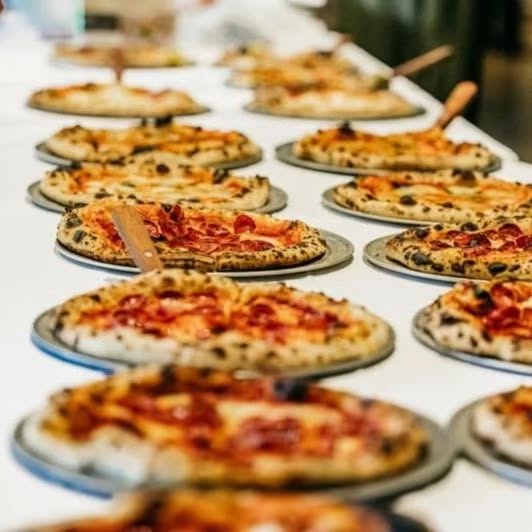
PMQ: Out of the three pizza styles, which sells best?
Welch: For us, it’s about a 60/40, 70/30 split between Neapolitan and Detroit. Now, Detroit is a little bit more expensive, so that would make sense—it’s $2 or $3 more for Detroit. Plus, nowadays with people being so much more health-conscious, a Neapolitan is really light, whereas Detroit is thick bread, cheesy, greasy—so it just makes sense that people take the light one. And it also helps that we did only Neapolitan for two years before we did anything else. So what people were exposed to and how they understood us as a restaurant was through Neapolitan. You try one thing somewhere, you really like it, and then you never change, because you’re like, why risk it?
Read Part Two of Welch’s interview here.
Tracy Morin is PMQ’s associate editor.