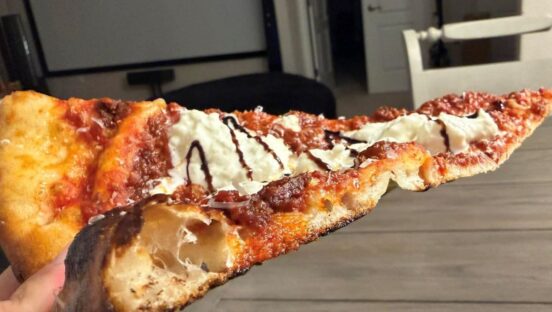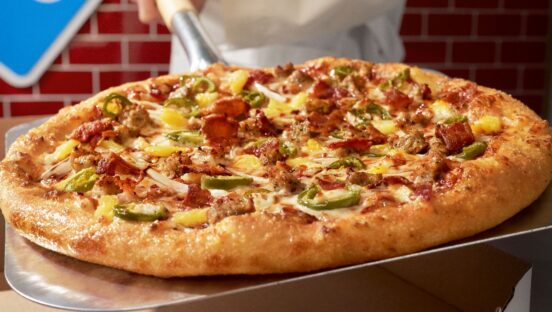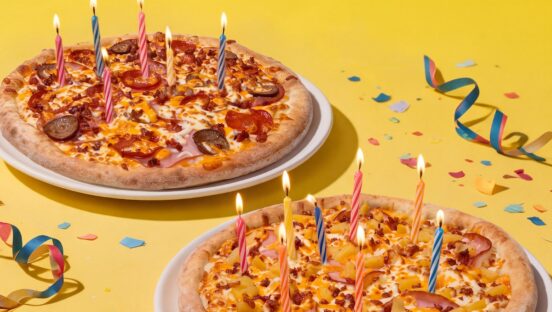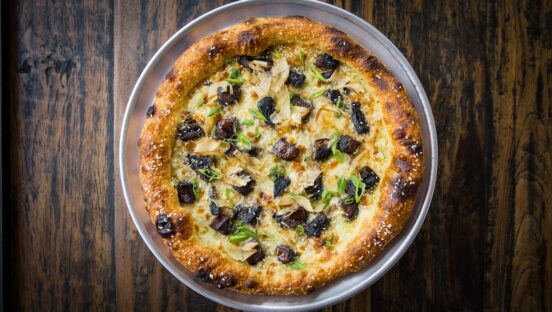

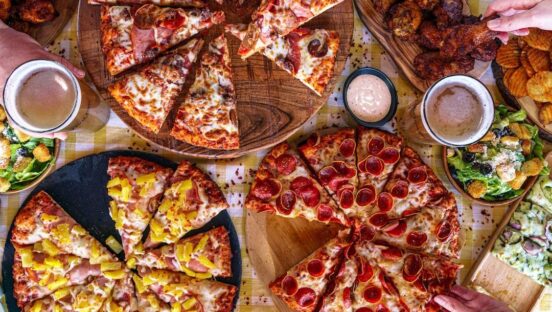
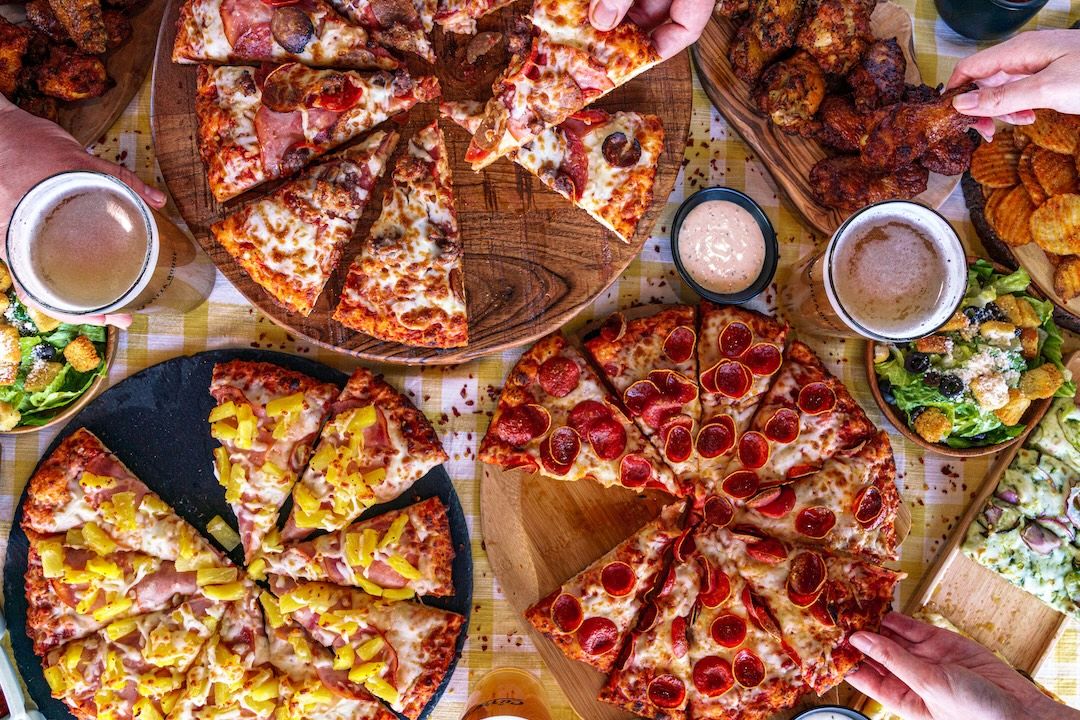
Multicultural mashups create unforgettable flavor combinations—and pizza is the perfect place to play with them. One brand embodying this principle is Curry Pizza House, founded in Fremont, California, in 2012 and now grown to 43 locations. Serving a diverse range of geographical locations—the Bay Area, Greater Sacramento, Los Angeles, Texas, Nevada, Seattle and Oregon—this chain has proven that taking a multicultural approach (in this case, infusing a pizza menu with Indian flavors) can create more than just a niche following.
To find out more about the company’s runaway success—and what lessons operators can learn about embracing fusion flavors—PMQ sat down with Neelu Gill, chief operating officer, chief marketing officer and partner at Curry Pizza House.
PMQ: With global flavors increasingly finding their way onto pizza menus, where do you see the biggest opportunities for independent pizzerias to experiment with international cuisines? Are there particular ingredients or flavor combinations you think have staying power?
Gill: We believe pizza is one of the best platforms for culinary creativity because it is customizable, shareable and familiar to such a broad audience. There is significant opportunity for independent pizzerias to explore flavors from South Asia, the Middle East, Latin America and other culinary traditions. Ingredients such as tandoori-seasoned proteins, paneer, globally inspired sauces and distinctive spice blends can create products that stand out in an increasingly competitive marketplace.
However, successful fusion is about more than combining different ingredients. The flavors need to complement one another, the product needs to work as a pizza, and the experience needs to make sense to the customer. We believe the combinations with the greatest staying power will be those that balance familiarity with discovery. Customers may be willing to try something new, but they still expect quality, flavor balance and consistency.
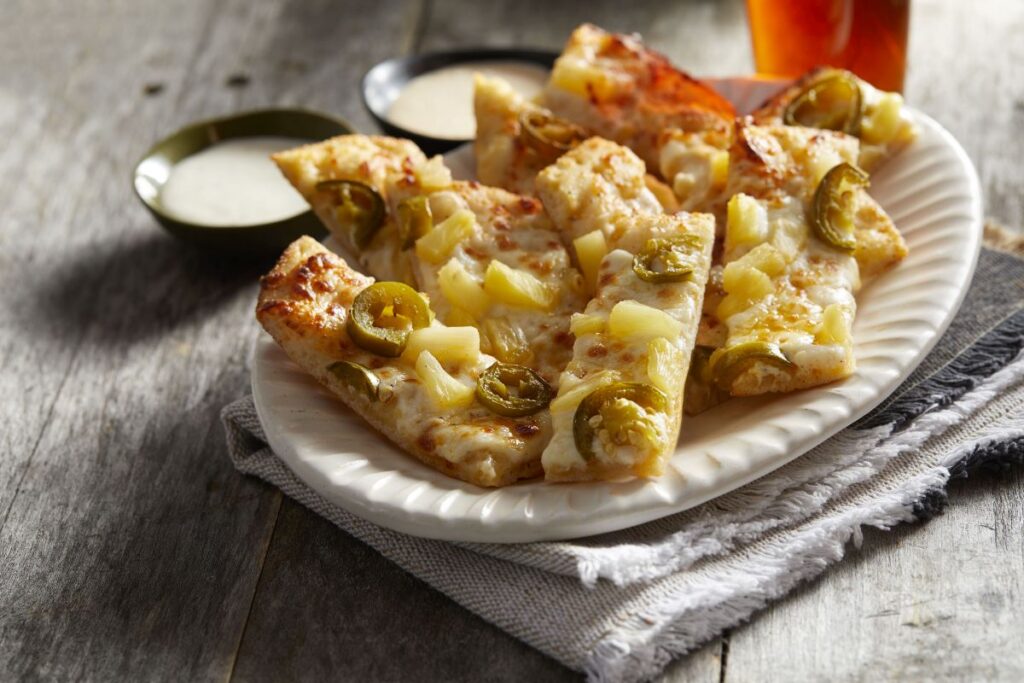
Our advice to independent operators is to look at their own culinary backgrounds, communities and food traditions as sources of inspiration. A distinctive food identity can become a meaningful competitive advantage rather than something that limits a business.
PMQ: Curry Pizza House brings Indian flavors to a traditionally American pizza format. What inspired you to combine these two food cultures, and what convinced you there was a market for Indian-inspired pizza?
Gill: Curry Pizza House was founded in 2012 in Fremont, California, with a simple idea: bring together two food traditions that were part of our family’s everyday life, the American tradition of Friday-night pizza and the bold, familiar flavors of Indian cuisine.
As an Indian-American family, we saw an opportunity to create something that reflected our cultural background while appealing to a broad audience. Pizza was the natural platform, because it’s one of America’s most recognized and shareable foods. We believed that combining familiar pizza ingredients with distinctive Indian flavors could introduce customers to something new without making the experience unfamiliar.
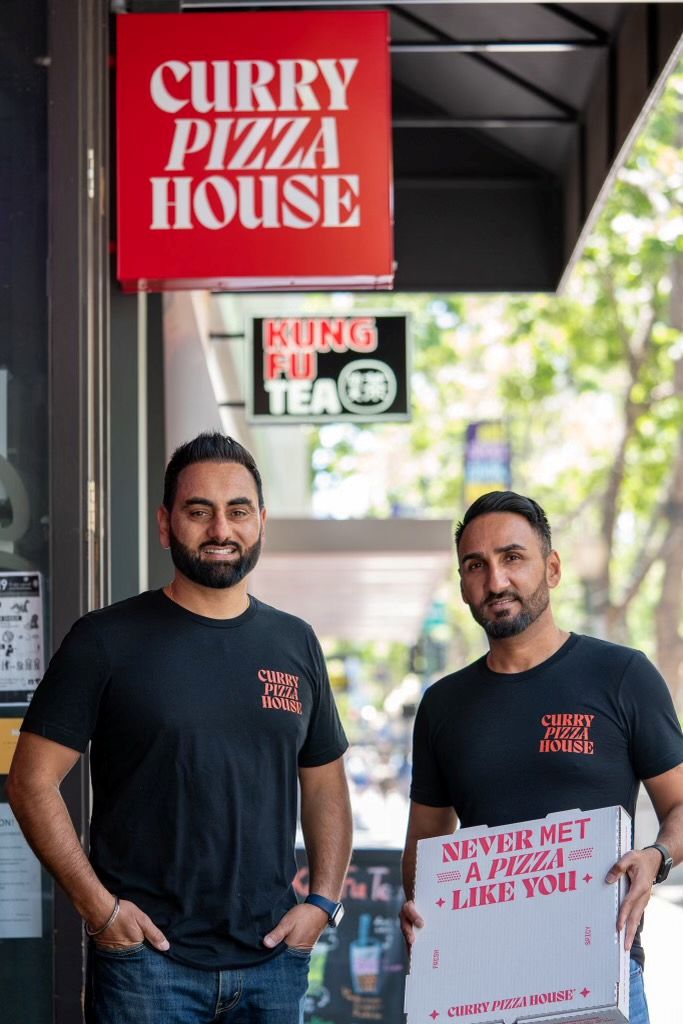
Neelu Gill and Gurmail “Romy” Gill, CFO and co-founder of Curry Pizza House
What began as one family-owned restaurant has grown into a 43-location restaurant system across the country. That growth has reinforced our original belief that consumers are open to exploring global flavors when they are presented in an accessible, familiar format.
One of the biggest lessons has been that a differentiated concept can create its own space in a crowded category. Rather than competing solely on price or following traditional pizza trends, we have focused on building a recognizable identity around the intersection of Indian cuisine and American pizza culture.
PMQ: Tandoori Chicken is your best-selling pizza nationwide. What does that tell you about consumer tastes, and how has it influenced your menu development strategy?
Gill: The fact that Tandoori Chicken is our national best-selling pizza, outperforming traditional favorites such as Pepperoni and Margherita, says a great deal about how consumer preferences are evolving. Today’s customers are more curious about food. They are exposed to different cuisines through travel, social media and increasingly diverse communities. They want familiar dining experiences, but they also want something distinctive and memorable. Tandoori Chicken demonstrates that customers do not necessarily have to choose between traditional comfort food and international flavors. They can enjoy both in one product.
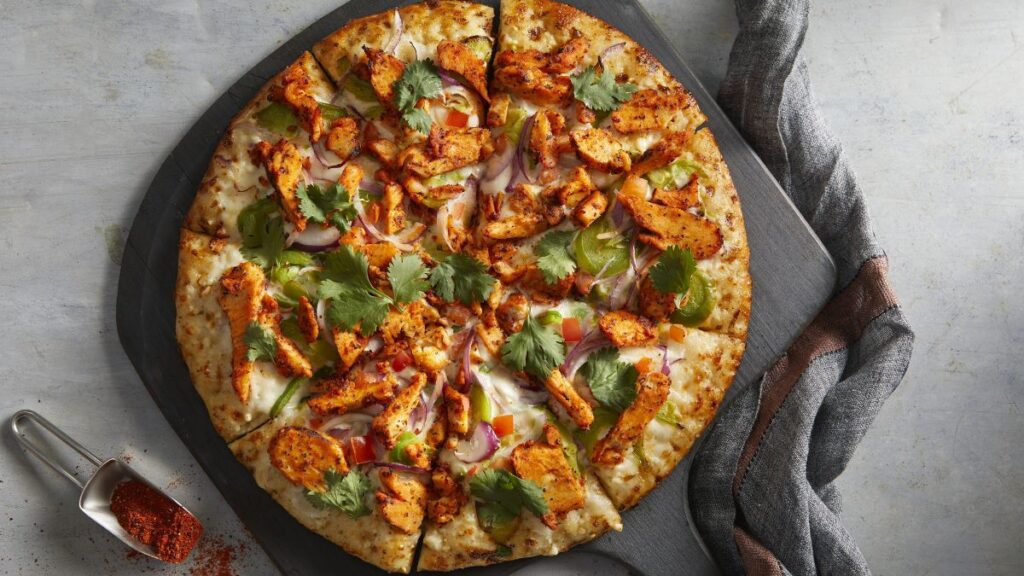
From a marketing and menu development perspective, this reinforces the importance of having a strong signature product that differentiates a brand. We continue to invest in Indian-inspired flavors while maintaining the traditional pizzas customers expect. Our strategy is not to replace classic pizza offerings, but to expand what customers think pizza can be.
PMQ: How do you make Indian-inspired ingredients and flavor profiles approachable to customers who may be trying them for the first time? Does the menu limit what markets are right for your brand?
Gill: Our philosophy is to introduce customers to new flavors through a format they already know and love. Pizza provides that familiarity. For example, someone who has never tried Indian cuisine may be hesitant to order a traditional Indian dish, but they may be much more comfortable trying a Tandoori Chicken or Butter Chicken pizza. Familiar ingredients such as chicken, cheese, vegetables and dough create an approachable starting point, while the seasonings and sauces introduce something different.
Our menu is also intentionally balanced. Alongside our Indian-inspired specialties, we offer traditional favorites such as Pepperoni, Margherita, Combination and Meat Lover’s. We also provide vegetarian, vegan, gluten-free and halal-friendly options to accommodate different customer preferences.
We don’t believe our menu limits our geographic opportunities. Our experience has shown that appreciation for global flavors extends well beyond the communities where those cuisines originated. The key is understanding local customer preferences, maintaining a balanced menu and delivering a consistent product. We look at market demographics, consumer behavior, competition and the overall strength of a potential trade area when evaluating new locations. Our concept is built to introduce customers to something different while still serving the pizza they already know.
PMQ: How do you approach menu innovation while maintaining the classic pizza offerings customers still expect—then determine which fusion concepts deserve a permanent spot on the menu versus a limited-time offering?
Gill: We believe innovation should complement tradition, not compete with it. Our customers should always be able to enjoy familiar favorites such as Pepperoni and Margherita while also having the opportunity to explore our Indian-inspired specialties. Maintaining that balance is important, because it allows us to appeal to different customer preferences and dining occasions.
When evaluating a new menu concept, we consider several factors: customer interest, flavor compatibility, ingredient availability, food costs, preparation complexity and whether the product can be executed consistently across our restaurant system. We also look beyond initial excitement. Sales performance, customer feedback, repeat purchases and operational feasibility all help us determine whether a product deserves a permanent place on the menu.
Limited-time offerings can be valuable because they allow us to introduce new flavors, generate customer interest and evaluate demand without permanently expanding the menu. They also provide opportunities to test ideas before making larger operational commitments.
For operators interested in fusion flavors, my advice is to start with a clear culinary point of view. Don’t combine ingredients simply because they are different. Focus on flavor, quality and a product that customers will want to order again. The strongest innovation comes from having a genuine connection to the food and executing it well.
PMQ: You’ve grown from one Bay Area location to 43 restaurants nationwide since 2012. What have been the biggest drivers of that growth, and what challenges have you encountered scaling a concept built around a distinctive culinary identity?
Gill: Our growth has been driven by three primary factors: a differentiated concept, customer demand and franchise development. From the start, we understood that we needed to offer something beyond another traditional pizza restaurant. Our Indian-American identity, signature flavors, and combination of traditional and globally inspired pizzas gave customers a reason to choose us in a highly competitive category.
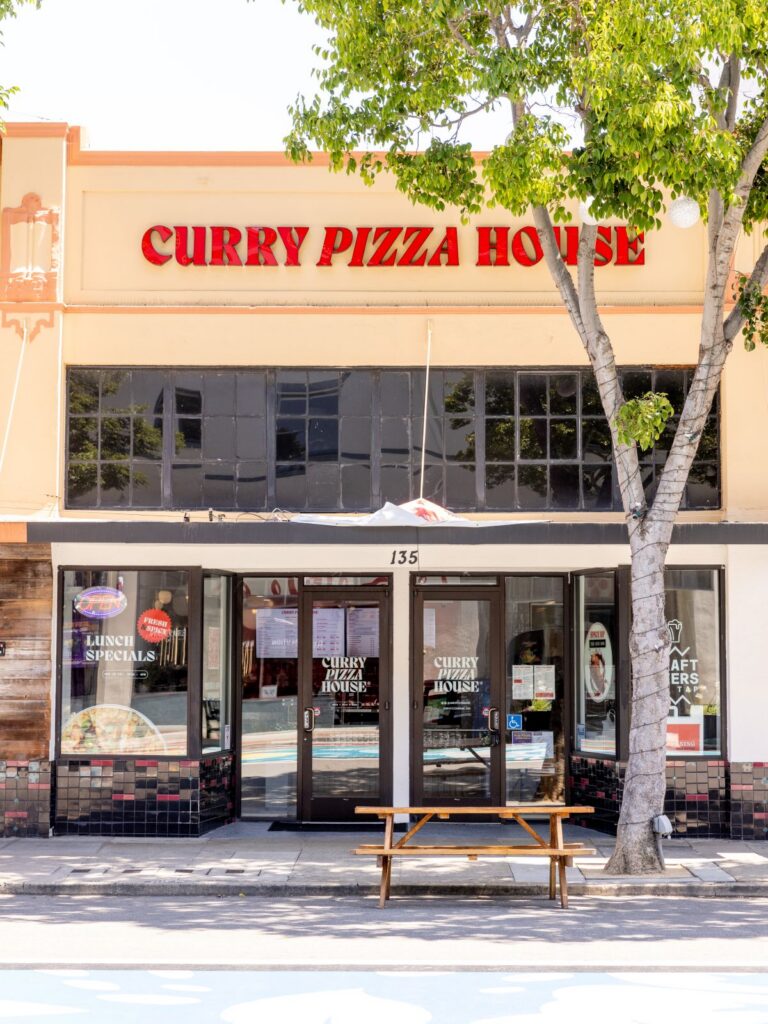
Franchising has been an important part of our expansion strategy. It has allowed us to work with entrepreneurs who understand their local markets and are invested in building the brand within their communities. At the same time, our corporate team provides the systems, training, marketing resources and operational guidance needed to support restaurant growth.
Scaling a distinctive culinary concept also comes with challenges. Maintaining product consistency, sourcing ingredients, training restaurant teams and preserving the integrity of our flavors across different markets all require significant operational discipline. Our biggest lesson has been that a strong concept alone is not enough to scale. You need the infrastructure, franchise support and operational processes to deliver the same customer experience regardless of which restaurant someone visits. As we continue to grow, our priority is to strengthen those systems while remaining true to the culinary identity that makes Curry Pizza House different.
PMQ: Collectively, your restaurants collectively produce more than 3,100 pounds of dough daily and sell nearly 782,000 pizzas annually. How do you maintain consistency in dough, ingredients and finished products across such a large and geographically dispersed operation?
Gill: Consistency is one of the most important parts of our business, and it starts with the foundation of every pizza: the dough. At Curry Pizza House, our dough is prepared fresh in-house and is never frozen. This is an important part of our product philosophy and something we believe distinguishes our brand.
When you are producing more than 3,100 pounds of dough daily and selling nearly 782,000 pizzas annually, consistency cannot depend on individual preference or experience. It requires standardized recipes, clear preparation procedures, ingredient specifications and ongoing training. We establish standards for dough preparation, ingredient portions, food preparation and finished products. Our operations team works with franchise partners and restaurant teams to reinforce these standards and address opportunities for improvement. We also believe training is just as important as documentation. Employees need to understand not only how to prepare a product, but why each step matters.
As a growing national restaurant system, we continue to focus on strengthening our operational infrastructure, supply chain and training programs to ensure customers receive the same quality and experience across our locations.
PMQ: Looking ahead, what are your goals for Curry Pizza House over the next three to five years? What are your biggest business challenges right now, and how are you overcoming them?
Gill: Over the next three to five years, our focus is on sustainable national growth, strengthening our franchise system and increasing brand recognition.
We see significant opportunity in geographic expansion and franchise development. There are still many markets where consumers are becoming more familiar with global flavors, and we believe our concept has room to grow. Our goal is to identify the right markets and franchise partners rather than pursue expansion simply for the sake of adding locations.
We also see continued opportunity in menu innovation and brand development. We want to strengthen our position as a pioneer in Indian-inspired pizza while continuing to give customers reasons to discover and revisit Curry Pizza House.
One of our biggest challenges is managing the complexity that comes with a growing restaurant system. As we expand into new markets, we need to ensure that our franchise partners have the training, operational support, marketing resources and supply chain infrastructure necessary to succeed. We are addressing this by continuing to invest in franchise support, improving operational processes, strengthening brand awareness and building the systems needed to support long-term growth.
Ultimately, our vision is bigger than opening more pizza restaurants. We want to continue building a nationally recognized brand that brings together cultures, creates opportunities for entrepreneurs, and challenges the traditional definition of what American pizza can be.
Tracy Morin is PMQ’s associate editor.