By Brian Hernandez
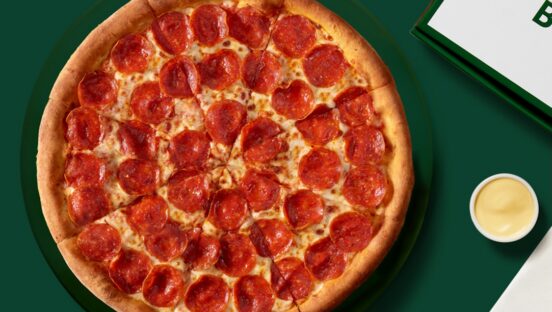
Papa Gino’s has a ghost. Usually, that’s something you discover after signing the lease. This one comes with corporate backing, a name and a plan to move into the kitchen.
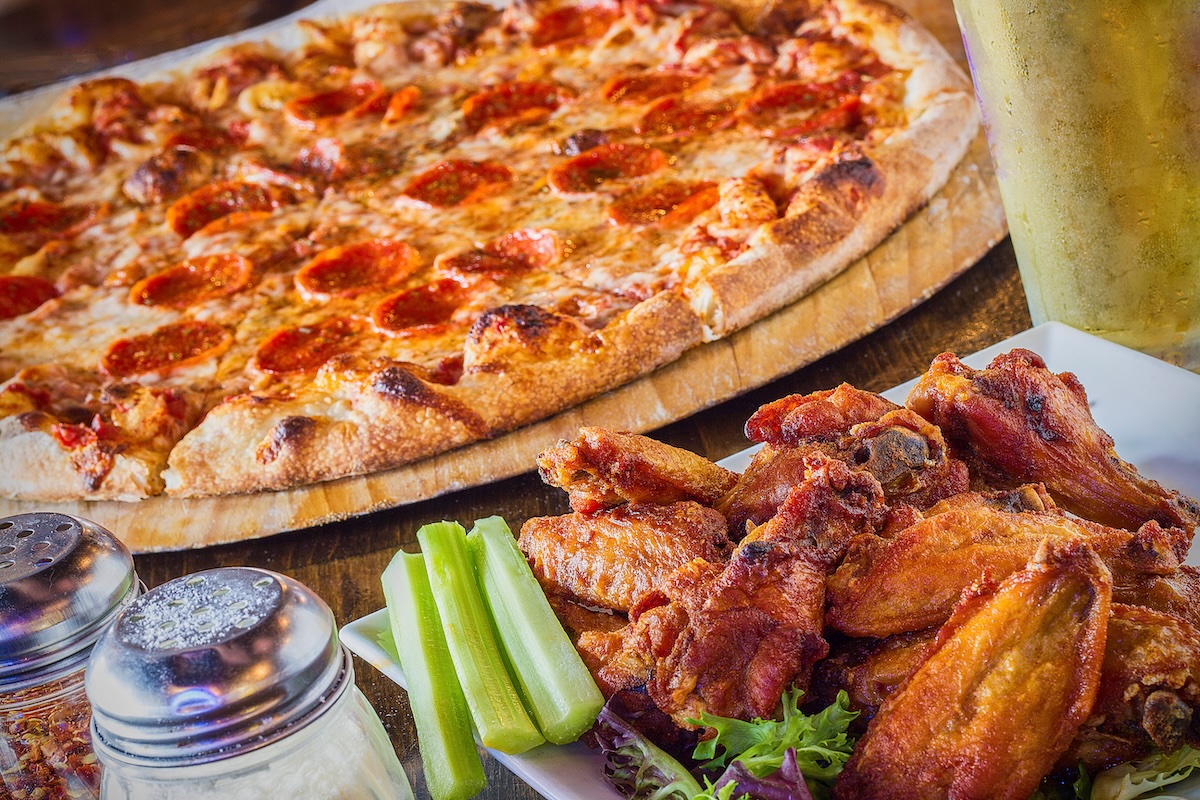
After announcing an agreement November 9 to acquire the pizza chain’s parent company, New England Authentic Eats, Craveworthy Brands plans to move its Wing It On! concept into Papa Gino’s restaurants across the region.
Another brand, operating inside an existing kitchen, selling food without building a separate restaurant: We’ve seen this movie before. For example, Donatos Pizza has hundreds of stores nested inside Red Robin Gourmet Burgers stores.
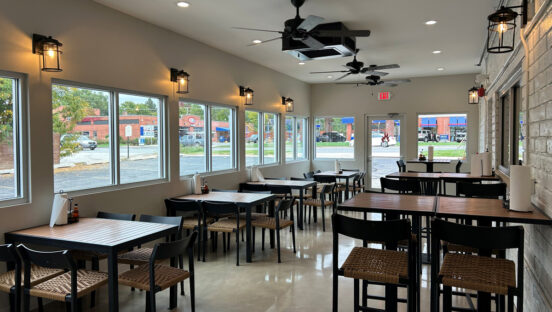
Yes, the company calls it co-branding. These will be customer-facing restaurants with dine-in service, so this isn’t strictly the delivery-only ghost-kitchen model. But the underlying playbook is familiar: Put another concept inside a kitchen that already exists, share the infrastructure and find more customers without taking on another address. That’s the ghost-kitchen idea wearing a clean shirt to meet investors.
There’s something funny about watching that strategy work its way up the food chain. Sharing a kitchen can give an aspiring operator a way into business without financing an entire restaurant. Here, a multi-brand company sees an established pizza chain as a way to expand another concept without building standalone locations. Different access to capital, same enthusiasm for avoiding another construction bill.
Craveworthy’s proposed transaction is expected to close by December 31. The company says Papa Gino’s, founded in East Boston in 1961, will keep its name, menu and identity. Wing It On! would move in afterward, giving the wing brand access to established restaurants and their customers. The pizza stays; the chicken gets a key.
This also isn’t Craveworthy’s first experiment with the arrangement. In August, its Fresh Brothers pizza brand introduced Wing It On! at 20 Southern California locations. Customers could order wings and boneless bites alongside pizza for dine-in, takeout, delivery and catering. The company expanded the wing concept into a new market through restaurants that were already open for business.
Craveworthy founder and CEO Gregg Majewski has said existing co-branded Fresh Brothers locations added nearly 25% in sales with that move. He also said Papa Gino’s larger spaces and existing equipment, including hoods, should make integration easier. Those are management’s reported results and expectations, with the Papa Gino’s rollout still ahead. They also explain why the company wants to keep working this angle.
Getting enough money out of four walls is hard, even when you have a corporate office helping you do it. An independent owner staring at rent, payroll and equipment repairs probably doesn’t need that translated. Still, there’s some satisfaction in hearing the corporate crowd acknowledge the same math.
Can co-branding work for smaller, independent operators? The strategy deserves some careful thought before it inspires a midnight logo-design session. A second concept under the same roof still needs customers, a reason to exist and food your crew can consistently produce. Having an available fryer doesn’t automatically mean the neighborhood is waiting for your secret chicken wing empire. Start by finding out what people want and whether you can profitably deliver it.
You also need to know when your kitchen actually has capacity. An extra concept might fit beautifully at 2 p.m. Tuesday but turn Friday dinner into sheer chaos. Storage, prep, cooking and packing all have limits, and the new orders will compete for somebody’s attention. The test is whether the additional business can earn enough to justify those demands while keeping the original restaurant running well.
Craveworthy’s promise to preserve Papa Gino’s identity matters here, too. An established pizza brand brings customers and trust to the arrangement; those are assets worth protecting. Independents should treat their own reputations with the same care. If the wings generate new orders while the pizza starts arriving late, the original business could end up paying for its new roommate. And those roommates are the worst.
Papa Gino’s Ghost, then, is less a haunting than a familiar hustle getting a bigger budget. A corporate group is betting that two compatible brands can make better use of one restaurant, a proposition plenty of smaller operators have had to consider out of necessity. But they’d better know how to do the math first.
Brian Hernandez is PMQ’s associate editor and director of the U.S. Pizza Team.