
A new report from Canopy, a provider of remote monitoring and management (RMM) software for connected products, found that workers at QSR brands like Domino’s Pizza deal with chronic technology failures that are hurting their business.
The report, titled “Fast Food Fault Lines: Canopy’s 2026 Restaurant Tech Report,” surveyed more than 500 QSR employees from fast food titans like Domino’s, McDonald’s and Chick-fil-A. It found that workers deal with chronic technology failures across drive-thru, self-service kiosks and mobile-ordering systems. According to the report, these malfunctions frustrate customers and hurt sales: 48% of employees have seen customers abandon orders due to tech outages.
QSRs face growing pressure to increase revenue, reduce manual work and improve the customer experience via new technologies. Yet Canopy’s research shows that technology often falls short of this promise: Nearly one in five QSR employees experience tech issues at least weekly, and 31% report having to pause their regular job duties at least once a week to address them.
The report highlights the scale and operational impact of technology breakdowns. Key findings include:
- Drive-thrus are a key point-of-technology failure. Their constant flow of traffic exposes them to unique challenges, most commonly payment processing issues (38%) and timer errors mistiming or missing cars (28%). Nearly half (49%) of drive-thru employees said they’re required to use workarounds, such as writing orders on paper or asking customers to pull forward early, once a week or more.
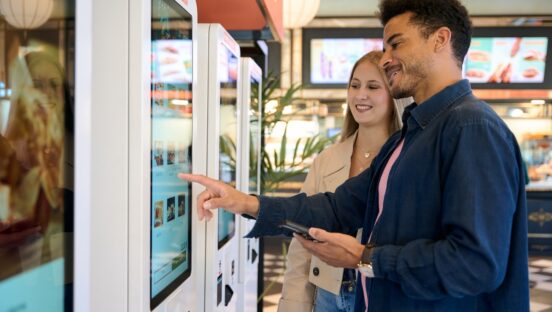
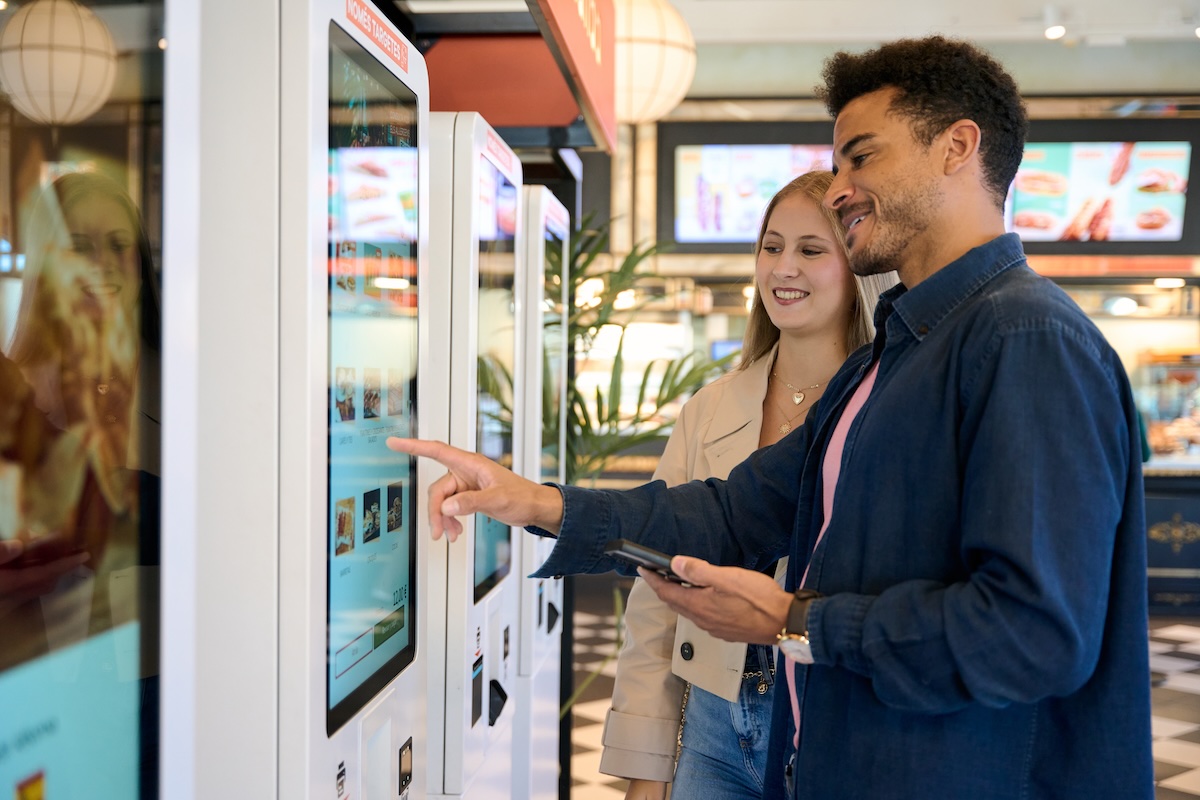
- Self-service kiosks are a double-edged sword. When they work correctly, kiosks let customers help themselves. When they malfunction, employees get pulled away from core tasks to troubleshoot. More than half (56%) of QSR employees are asked to fix kiosks daily or weekly.
- Mobile orders are the toughest to manage. Nearly one-third (30%) of QSR employees experience mobile order problems every week, with mistimed or missing orders causing the biggest headache and potentially indicating backend integration issues.
These failures lead to lost revenue, employee burn-out and bad customer experiences.
“The fast food and fast casual restaurant of 2026 depends on dozens of technologies working together to give employees leverage and customers an easy, consistent experience,” said Steve Latham, CEO of Canopy. “Whether in the drive-thru, ordering at the kiosk, or using the mobile app, our research shows that tech problems cascade into disruptions in service, taking employees away from their jobs while frustrating customers enough that they leave. QSR operators need holistic visibility into the health and performance of every component in the restaurant tech stack plus an automated way to fix issues should they occur, if not before.”
Not surprisingly, Canopy says it has the solution to every one of these problems. But for smaller independent restaurateurs, the takeaway isn’t necessarily “buy more software.” Rather, you need to be more intentional about the technology you already have. Every new ordering channel, kiosk or drive-thru timer promises efficiency, but if your team is constantly rebooting screens or chasing down missing mobile tickets, that’s leading to hidden labor problems you don’t need. Before adding another platform, take a hard look at how well your existing systems integrate and who’s accountable when something breaks during a Friday night rush.
Just as important: You need a backup plan. The best-run pizzerias treat tech outages like they treat power flickers or oven hiccups—inevitable from time to time. Clear troubleshooting protocols, simple manual workarounds and staff training can keep your pizzeria’s service moving and customers informed.
Technology should make your shop run more smoothly. If it’s doing the opposite, that’s a strategy issue—not just a software problem.