
By Brian Hernandez
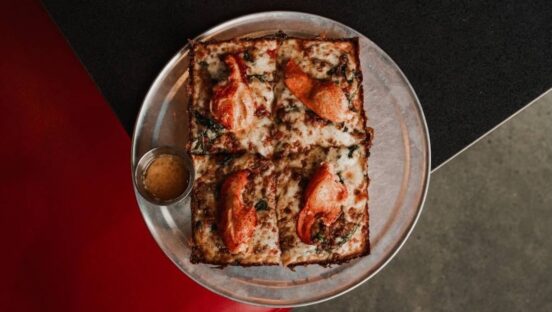
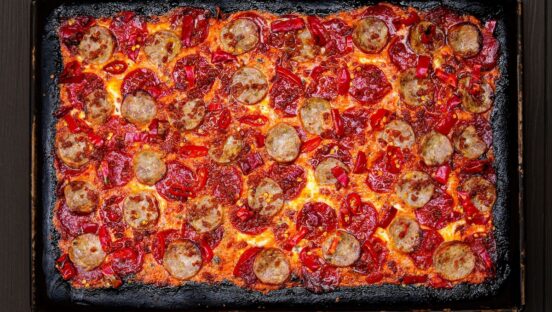
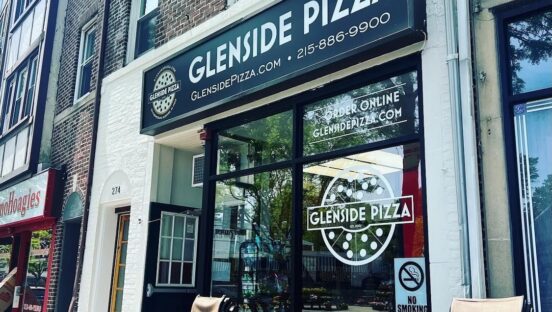
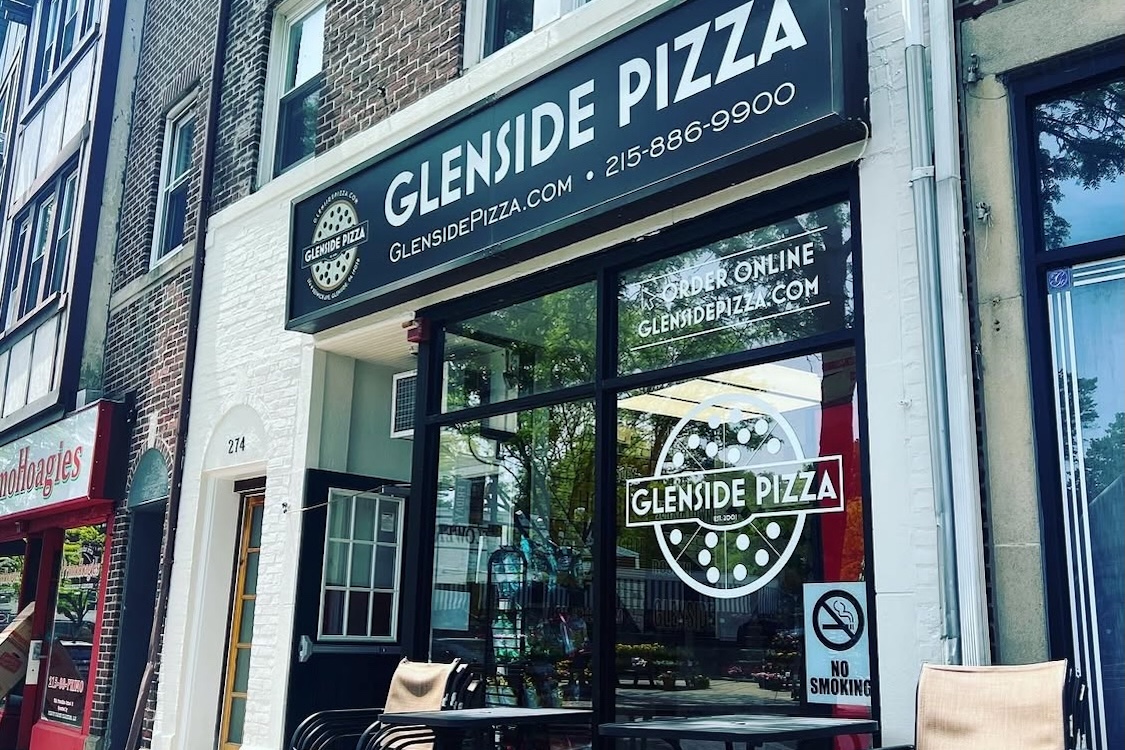
Bill Zonios has never taken a DoorDash, Grubhub or Uber Eats order at Glenside Pizza. After 25 years serving Glenside, Pennsylvania, the independent pizzeria, known for its Greek-style pan pizza, has grown into a $2 million-plus operation built around direct ordering, in-house delivery and a strong local customer base.
Zonios has continued investing in the systems behind that business, from online ordering and delivery technology to marketing and customer retention. Meanwhile, his flat-out refusal to join third-party platforms hasn’t changed even as those services have become a larger part of restaurant delivery.
“Never, never did it,” Zonios said. “And they call me every day, you know, and I’m holding my ground, man. I’m not doing it. I don’t, because I know that the second I do it, I have to raise my prices a lot, and I care about my customers too much to do that.”
Related: Glenside Pizza: How to Do $2 Million in Annual Sales Without Bowing to DoorDash
But Zonios’ strategy goes beyond refusing to pay third-party fees. He has spent considerable time thinking about why customers use delivery apps in the first place. His conclusion: It’s all about the convenience that DoorDash has trained customers to expect.
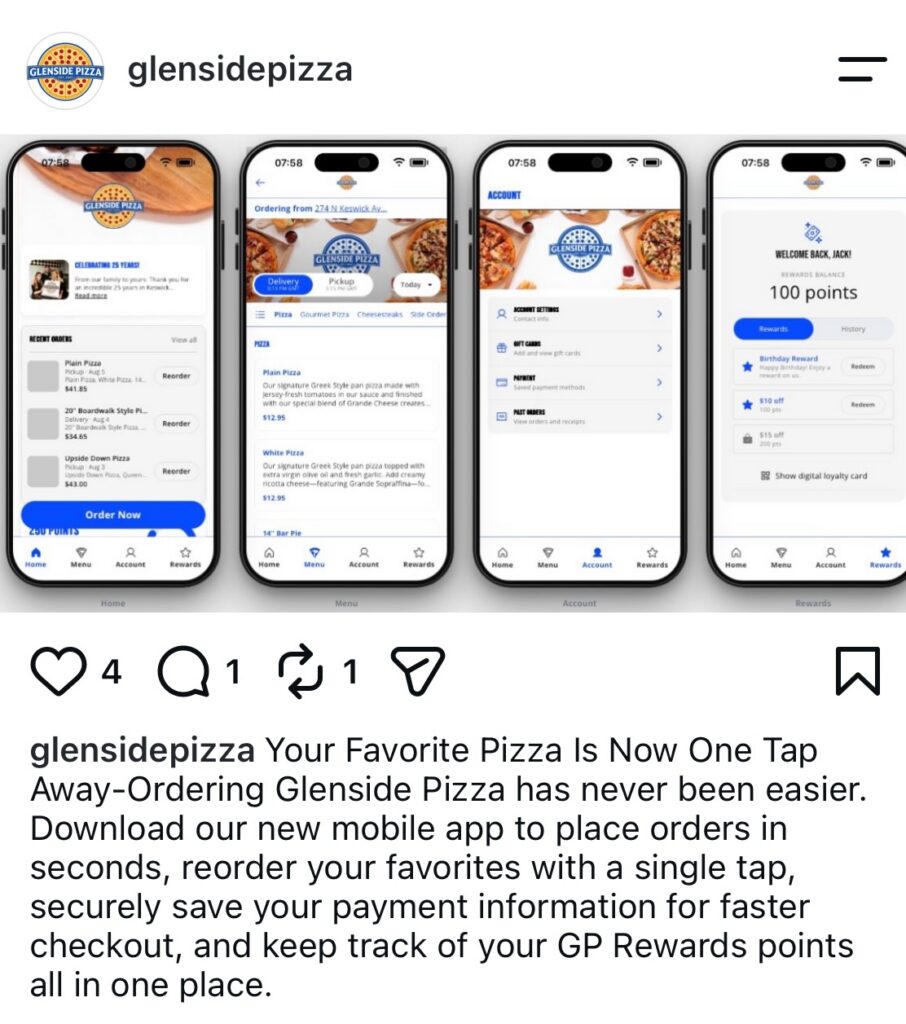
That means quick checkout, stored payment information, mobile ordering and the ability to see where their dinner is after it leaves the restaurant. Zonios decided that if those features were driving customers toward third-party aggregators, Glenside Pizza needed to provide them directly. He switched the restaurant to a new POS system, branded app and online ordering, then integrated Shipday to dispatch his in-house drivers and provide customers with delivery tracking.
“Everything that third-party gives you, I can give you as well, without the extra cost,” Zonios said.
There’s another part of the transaction Zonios doesn’t want to surrender: a relationship with the person placing the order. Direct ordering gives Glenside Pizza access to customers who choose to receive its marketing, but Zonios sees that relationship as more than another email address. His in-house employees answer the phones, his drivers arrive at the customer’s home, and the restaurant controls the experience from beginning to end.
“You’ve got to have an identity as a pizza shop,” Zonios said, nodding to distinctive brands like Mattenga’s Pizzeria in San Antonio, a past PMQ cover subject. “When people think Mattenga’s or they think Glenside Pizza, they think, like, fun, good community, good food, quality service, and that’s what you’ve got to go for.”
Contrast that kind of experience with an order delivered by someone who has no connection to the restaurant. “It’s just some random guy in flip-flops that works for DoorDash, who drops your pizza off at your front step and walks away,” he said. “There’s no personal effect there. There’s no customer interaction.”
Ironically, Zonios has even found opportunities in third-party orders he never asked for. On occasion, a delivery driver has arrived at Glenside Pizza looking for an order that Zonios didn’t know existed because a third-party platform listed his restaurant without his permission.
But instead of treating the situation solely as an aggravation, he sees a potential new customer on the other end of it.
“If that driver comes in and shows you his phone, you’ve got to either take a picture of it or write down the phone number and then contact that customer yourself,” Zonios said. After explaining that your restaurant doesn’t actually work with that third-party aggregator, offer the customer an incentive to order directly from you. “You have to find a positive in it and flip it into an opportunity.”
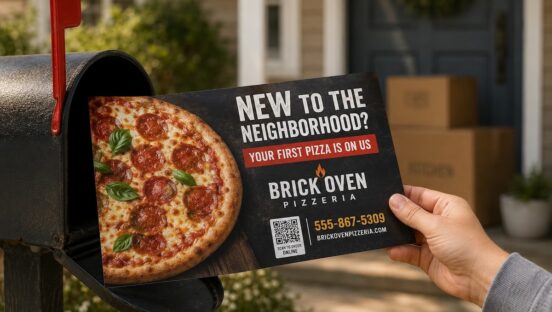
But what if you’re already using third-party delivery at your store? Don’t just switch it off and expect customers to still find you, Zonios said. Instead, use every third-party order to introduce customers to your restaurant’s direct ordering system. A menu insert, box-topper or coupon with a QR code are all cheap ways you can target—and convert—existing third-party customers.
In fact, a simple comparison between third-party and direct prices can give customers a concrete reason to change how they order.
“You can show how much it would cost for a pizza, a burger and an order of fries on DoorDash, and then have a column next to it showing how much it would cost if [the customer] orders from you directly,” Zonios said. “Then you can get creative with the flyers too. You need to give the customer a visual. You can have fun with it while also getting more customers to order directly from you.”
That approach actually turns the third-party platform into a customer-acquisition tool. Zonios suggested sweetening the first direct order with a coupon so the savings become immediately obvious. “Give them a reason,” he said. “You can save 30% by ordering us directly, but here’s a coupon for an extra 20%, meaning your next order will be 50% cheaper.”
Zonios’ willingness to rethink his operation didn’t develop overnight. About eight years ago, he bought out his father and began modernizing Glenside Pizza. But he eventually found himself in a rut and considered selling the business. His wife encouraged him to keep looking for a way forward, and Zonios began searching online for other operators making the Greek-style pan pizza that his family had built its business around.
He found George Panagopoulos of Dedham House of Pizza outside Boston through a video with Bruce Irving of Smart Pizza Marketing. Zonios watched it repeatedly before finally deciding to call George and make the five-hour drive north.
What initially made him hesitate wasn’t the distance. After spending most of his life working in pizzerias, he was simply embarrassed to admit that he needed help.
“That was the wrong way to feel, man,” Zonios said. “As soon as I reached out, he was so kind, welcoming, invited me up.” The two operators talked shop, and Zonios said, “I came back from Boston a whole new person, man. I hit the ground running and was just filled with ideas. I started executing right away.”
The experience changed how Zonios approaches learning as an operator. He believes pizzeria owners frequently make the mistake of seeking answers only after something has gone wrong. By then, stress can make it harder to evaluate the business clearly.
“Don’t wait on something to happen. Don’t wait to get stuck. Don’t wait to get into the rut,” Zonios said. “Be proactive. Reach out now when things are doing well. That’s when you go and learn more.”
That philosophy extends beyond third-party delivery. Zonios has spent most of his life in the pizza business, but he happily admits there is still so much pizza knowledge out there he can benefit from. Whether it’s technology, marketing, operations or something as fundamental as dough, he believes there is always another part of the business worth understanding.
“The biggest thing I’ve learned is that I should always keep learning,” Zonios said. “There’s always more to learn. Never stop trying to learn.”
Hear More From Bill Zonios
Zonios will join PMQ’s upcoming webinar, “Stop Paying 30%: How to Reclaim Your Pizzeria’s Customers From Third-Party Apps,” taking place at 2 p.m. (ET) on August 19. In that free webinar, we’ll dig deeper into why customers choose third-party delivery and how independent operators can provide the convenience those customers want while reclaiming more of the relationship and the sale. The webinar will also feature David DeSantis of WookAI, bringing a different perspective on how operators can use third-party technology strategically. The live program will include an audience Q&A.
Click here to register for the free webinar!
Zonios will also be featured on an upcoming episode of PEEL: A Pizza Podcast, where the conversation goes beyond third-party delivery into Greek-style pan pizza, leadership and what he’s learned from 25 years at Glenside Pizza.
Brian Hernandez is PMQ’s associate editor and coordinator of the U.S. Pizza Team.