By Tracy Morin
Mushrooms may be humble fungi, but that doesn’t mean they can’t make a serious splash on pizzeria menus. Here, two pizza masterminds share the secrets behind their most successful shroom specialties. Whether earning international awards or year-high sales stats, these pizzas prove that mushrooms can indeed be magic.
International Acclaim
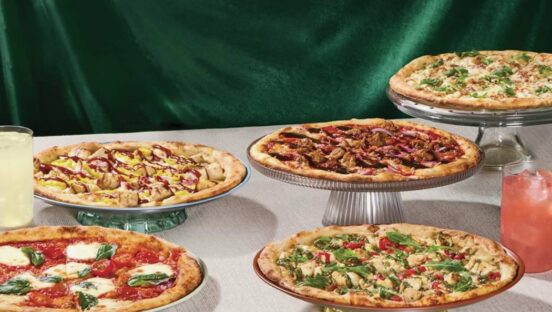
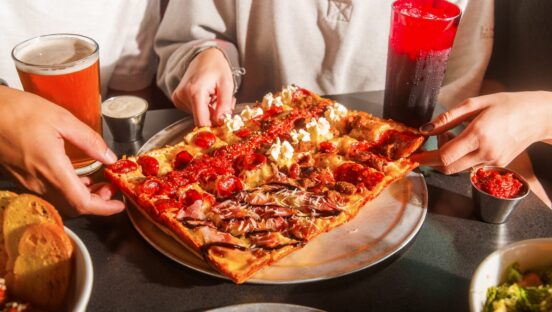
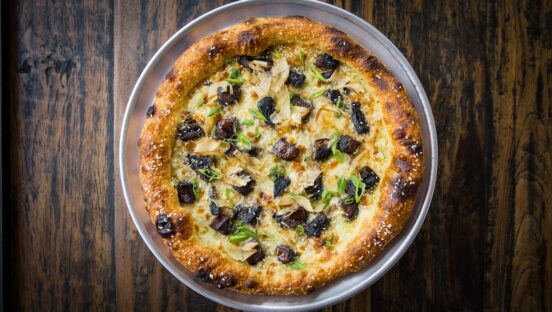
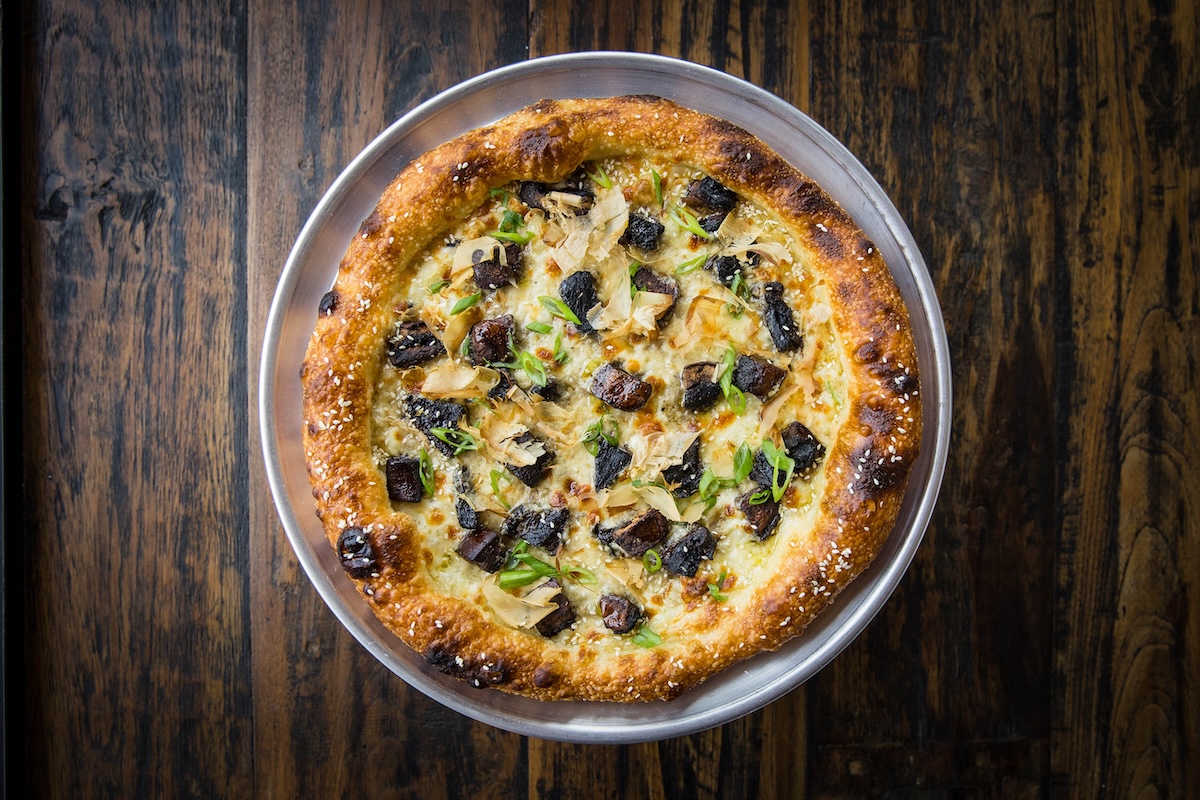
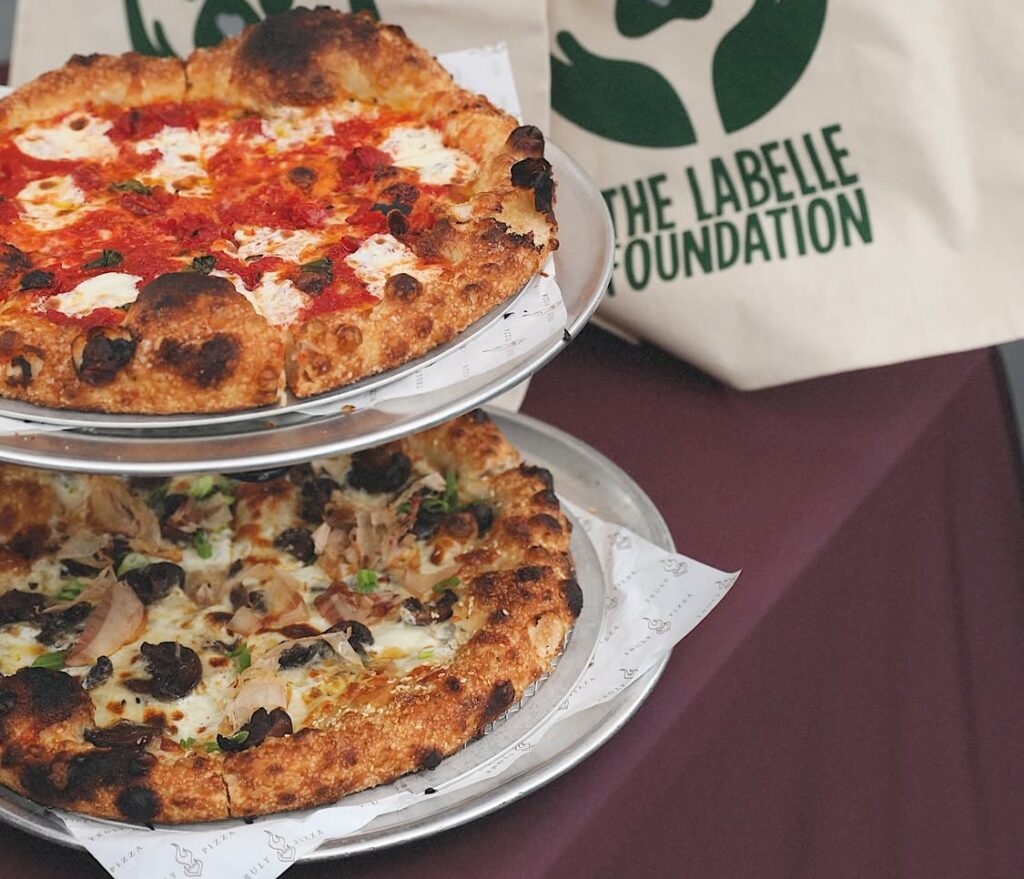
At Truly Pizza, with two locations in California, the Umami Mushroom Pizza reflects the team’s approach to pizza as a whole: taking a familiar ingredient and giving it the attention it deserves. True to its name, the pie ramps up the umami factor with a creamy onion and garlic sauce, smoked mozzarella, marinated roasted mushrooms, toasted sesame oil, sesame seeds, green onion and bonito flakes.
“What makes the pizza memorable is the way the flavors and textures come together,” says co-founder John Arena. “The mushrooms bring depth and savoriness, while our dough provides the light, airy foundation and crispness. It feels comforting but still has enough character to stand out.”
Stand out it did—the Umami Mushroom Pizza (pictured at the top of the page) received the Latteria Sorrentina Award for Pizza of the Year 2026 from 50 Top Pizza, and the pizzeria smartly capitalized on the moment.
Stay on top of the latest pizza news and trends. Click here to subscribe or renew your subscription to PMQ Pizza!
“We put a lot of care into developing the pizza, so to see that work recognized on such a respected platform was incredibly meaningful,” Arena says. “We shared the news across our social channels, highlighted the award in our restaurant communications, and encouraged guests to come in and try the winning pie for themselves. We wanted the celebration to feel less like a trophy moment and more like an invitation to experience the pizza.”
Arena praises mushrooms’ umami-building powers, noting that their deep, savory flavors make a pizza feel more complex and satisfying. “They also add texture, which is just as important,” he adds. “Depending on the variety and preparation, mushrooms can be meaty, tender, crisp around the edges, or almost buttery. The key is to think of mushrooms as an ingredient with their own character, not just a topping to add at the end.”
To attract more interest—even among customers who don’t usually order mushroom pizzas—Arena recommends focusing on the flavor and experience rather than simply slapping a “mushroom pizza” on the menu. Descriptions that emphasize savory depth, crisp edges or meaty texture sound more inviting, while pairing mushrooms with familiar ingredients helps ensure they’re approachable.
“We like to pair our mushrooms with garlic to add another layer of depth and savoriness,” says Michael Vakneen, co-partner and pizzaiolo at Truly Pizza. “We’ve also created pizzas featuring charred green onions or caramelized onions as an accent to the mushrooms. Both work particularly well because they enhance the mushrooms’ naturally rich, meaty character—similar to adding caramelized or grilled onions to a hamburger. The sweetness and char from the onions complement the earthiness of the mushrooms and create a deeper, more developed flavor.”
When it comes to sourcing, selection and food costs, Arena points out that some specialty mushrooms can be expensive or harder to source consistently, so it’s important to choose varieties that make sense for your menu and market. “But mushrooms can also be a great way to create a distinctive pizza without relying on expensive proteins,” he says.
“We like porcini for braising—they give a great earthiness,” Vakneen adds. “Portobellos are really meaty when roasted to a nice golden brown. We love to pickle small shimeji and enoki mushrooms. There’s an application for all of them—that’s what makes them so fun to work with.”
A Holiday Bestseller
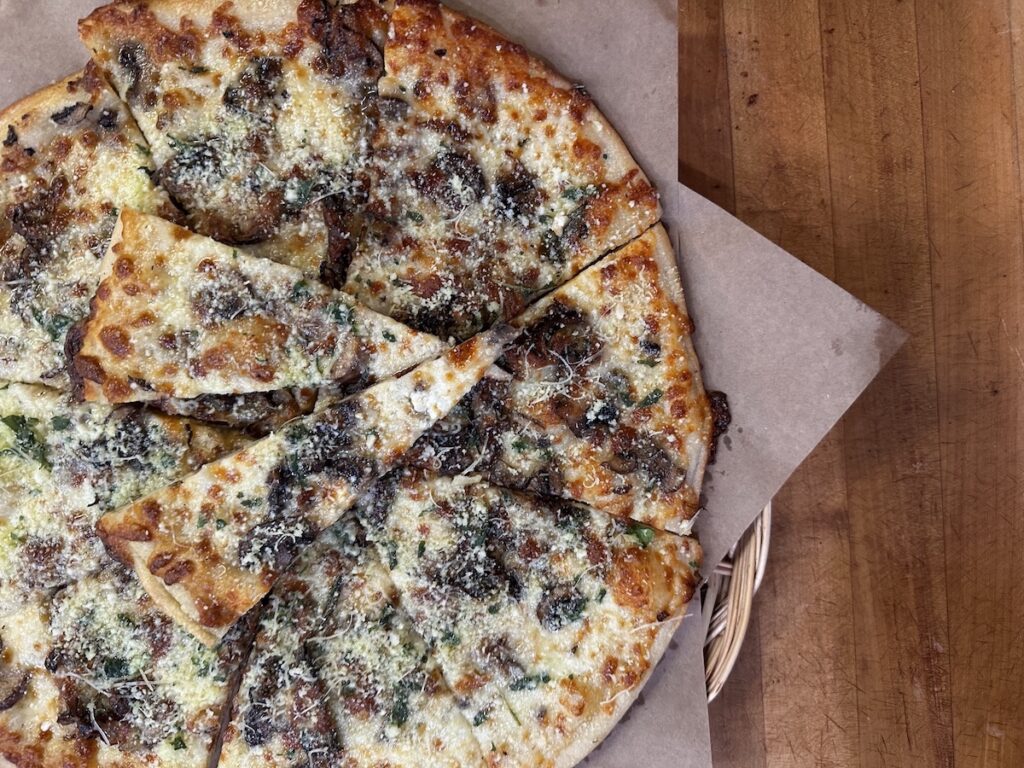
The day before Thanksgiving is the biggest day of the year at the worker-owned Cheeseboard Collective in Berkeley, California—and the only menu item sold is one mushroom pie (pictured above).
“It’s the day we do our largest number of pizza sales, both par-bakes and hot pizzas,” says Vanessa Vichit-Vadakan, worker-owner. “We offer this particular pizza only once a year, with a bunch of mixed mushrooms: cremini, baby shiitake, king trumpet, maitake, hon-shimeji, oyster—and the star, chanterelle mushrooms. It’s paired with onion, goat cheese and mozzarella, finished with a brush of garlic olive oil, plus oregano and parsley. Every year, the number sold keeps going up.”
The team orders about 850 pounds of mushrooms to pump out these pizzas—roughly 2,200 of them on Thanksgiving Eve 2025, about half of which were par-baked pies. “People really come out for it and buy them in bulk,” Vichit-Vadakan says. “It’s become sort of a tradition; they’ll buy five or six pizzas and stash them in their freezers. We do extended production hours that day. It’s an ‘all hands on deck’ day, when everybody is required to work, and it’s really fun.”
On New Year’s Eve, Cheeseboard closes out the year with a similar mushroom pie—but instead of goat cheese, it’s topped with a truffle Pecorino, and the team might change up the mushroom mix.
One key addition to both of these holiday pizzas is a porcini mushroom powder imported from Italy. “As we’re building, we’ll sprinkle into the mix of mushrooms some porcini powder, which adds a whole other layer of richness to the pie,” Vichit-Vadakan says.
Clearly, mushroom pizzas shine on major holidays. But the Cheeseboard’s unique business model—one pizza per day, always vegetarian—means that pizzas are rotated from a master list, and several are mushroom-based.
“It’s usually cremini mushroom with onion and some other cheese: goat cheese, Montalban, Parmesan,” Vichit-Vadakan explains. “We have different combinations—with kale added in, or leeks or other baby greens. In the spring, we do a combination of asparagus and baby shiitake mushrooms. A really popular one is mushrooms with baby spinach and caramelized onions, toasted pine nuts, and a mix of fresh Asiago and mozzarella, with a finish of garlic olive oil and parsley. And for one version of a mushroom pizza, we top it with specialty cheese (Parmesan, Montalban or truffled Pecorino), and then we dress arugula with a lemon dressing and put that on top right before it’s served. That’s always popular.”
While it’s challenging to support smaller mushroom producers due to Cheeseboard’s immense volume, the team has found that cremini mushrooms are a solid go-to variety—and can be easily repurposed.
“They’re tasty, familiar to people and easy to prep, which is a big thing for us, dealing with our volume,” Vichit-Vadakan says. “And, of course, flavor is important. If we have some leftover shiitake mushrooms, we might roll those over into a different mix, like with cremini mushrooms, a couple days later.”
For prep, the team cuts the mushrooms the day before, usually on a 4-millimeter slicer. This thin cut helps reduce excess moisture—a key factor when making mushroom pies. “A pizza that’s built too heavily will get sloppy,” Vichit-Vadakan warns. “The worst combination is too much cheese and too much mushroom—it can become a mess. So just be judicious about how you’re using them and aim for that balance.”
Tracy Morin is PMQ’s associate editor.