
By David Potesta
I started working in a restaurant when I was 11 years old. My father opened our family pizzeria in 1975, and I just showed up and started working. That was the beginning of 35 years in this industry.
Over those years, I built restaurants, owned multiple locations, trained corporate teams and worked alongside hundreds of operators and leaders at every level. I’ve seen this industry from just about every angle there is. And, in all of that time, I watched the same pattern play out over and over again—in my restaurants, among the teams I trained, and in the leaders I worked alongside.
It took me a long time to be able to name it. But once I could, everything made sense.
Are You Overlooking This Hidden Cost?
Picture an average Tuesday at your pizzeria. You’ve arrived before anyone else and already checked the numbers from last night; they weren’t good. You’ve got a server who called out, a shift lead who can’t hold the line without you standing next to him, and an important call at 2 p.m. that you haven’t prepared for.
And, somewhere between the cooler and the line, you had a moment. It could have even been a small one. Maybe you snapped at someone who didn’t deserve it, or you went quiet in a way that your team noticed (even if you didn’t notice it).
Chances are, you quickly moved on, because there were 12 other things to handle. But your team didn’t move on. They felt it and recalibrated around it. Some of them decided today wasn’t the day to bring you a problem. Some of them decided to do the minimum at work and just stay out of your way.
But here’s the worst part: Most of the time, you won’t know that happened, because nobody tells the operator when they’ve just made themselves unavailable.
That’s a cost. It doesn’t show up anywhere on your P&L, and it’s something that nobody informed you about—something that most operators were never taught to watch out for.
Ultimately, the pressure you’re carrying doesn’t stay inside you; it leaks out. Your team feels it before you’ve said a word and before you’ve done anything “wrong.” The moment you walk through that door, they’re already reading you—maybe not consciously, but they are reading you.
And when they feel pressure coming off a leader, they don’t perform better. Instead, they get smaller, stop taking initiative and stop telling you the truth. They start managing you instead of managing the restaurant.
Over time, you might detect that something’s off, so you add a system, run another training session or have another meeting about accountability. For a week or two, things might even get a little better—but they always drift right back.
That’s because the system wasn’t the problem. You were running the system from a place of pressure. And pressure creates more pressure. It’s a loop, but nobody showed you how the loop plays out—or the effects it has.
That’s not a criticism; it’s just what happens when you’re taught to solve every problem from the outside in. You see an issue and you think: Fix the process, the person, the schedule. But the signal you’re sending from the inside out never gets addressed.
I know this because I lived it. For years, I thought the answer was always one more thing: another location, a new hire or an additional system in place. I was running the whole time, and the teams around me felt it, even when I thought I was holding it together.
What Happens When You Break the Loop?
While this type of situation may sound dire, a leader can break that loop. You don’t need to make it a dramatic moment, and it doesn’t happen in a training room. It happens when a leader stops trying to manage everything around them and starts getting honest about what’s happening inside them.
When the pressure drops, things open up, from decisions to communications. The people around you start showing up differently—not because you demanded it, but because they can feel the difference between a leader who is reacting and a leader who stays grounded.
After breaking the loop, I’ve watched shift leads who couldn’t manage a team suddenly hold the room. I’ve watched operators who were one bad quarter away from burning out find a second gear they didn’t know they had. And these changes didn’t happen because we fixed their systems; they happened because we changed the signal they were sending.
One operator I worked with had been through three kitchen managers in 18 months. Every time one left, he’d run a tighter process, add more checkpoints and increase oversight, but the problems kept coming back. When we started working together, the first thing we looked at wasn’t his kitchen—it was what he was carrying when he walked in every morning. Within 60 days, his current kitchen manager told him it was the first time he’d actually felt trusted in the job. Nothing about the process changed, but the leader changed—and the team felt it.
Start Here Now
If you’re worried about this hidden cost wreaking havoc on your business, you don’t need a program or a consultant to fix it. You just need one question and the willingness to sit with the honest answer.
Before you walk through that door tomorrow, ask yourself, “What am I carrying right now?” Not “What’s on the schedule?” or “What went wrong last night?”
Sometimes your problems aren’t even about the restaurant. I walked into my own pizzeria carrying arguments I’d had at home or worry about not being present enough for my kids—the weight of things that had nothing to do with the business. All of it was already on my mind before I even touched the door handle, and all of it came in with me. Your team doesn’t know where it came from, but they feel it. That’s why the above question is the first step.
However, awareness alone won’t change anything. The real work begins when you start to see how what you’re carrying shows up. And it probably doesn’t happen in the big moments, like in blowups or hard conversations, but in the small ones. Your employees may notice the way you responded to a question that didn’t need a sharp answer, or the way you walked past someone without acknowledging them. Maybe they felt that the energy in the room shifted the moment you arrived.
When you can see that, when you can trace the line between what you’re feeling inside and what your team is experiencing around you, something changes. It won’t always be an immediate or dramatic change, but the loop starts to loosen.
And then comes the part that most people also never get shown: what to do differently in that moment. You need to know how to interrupt the pattern before it travels outward. Then you can walk through that door as a leader who is present instead of pressured.
As a result, people start seeing their work, their team and themselves from a completely different perspective. That’s when real change happens. And, in 35 years in this industry, I’ve never seen a system, a training program or an accountability meeting produce what that single shift produces.
Why This Topic Matters to Me
I spent 35 years in this industry before I fully understood what was actually happening—and I paid a real price for that. I lost restaurants, burned through teams and missed opportunities, because I was leading from pressure without knowing it.
I also spent more than a decade as a corporate trainer, working with leadership teams across the country. And the pattern I saw in my own restaurants, I watched play out everywhere else, too. After all, this industry runs on pressure: Hit your targets. Handle the situation. Move to the next one. That’s just how it works.
But there’s a cost to that, and not just in the business results, but in who you become over time. The cost emerges through the decisions you make when everything is going sideways, or in how your team reads you the moment you walk through the door.
Remember that pressure and clarity are two different operating systems—and your team knows which one you’re running on before you’ve said a word.
That’s what I’ll be writing about in this new column for PMQ. I won’t be relying on theory or dull management frameworks, but real-life experience. From 35 years in the trenches, I’ve learned about what actually drives team performance, what it costs to lead from pressure, and what becomes possible when a leader learns to operate from clarity instead.
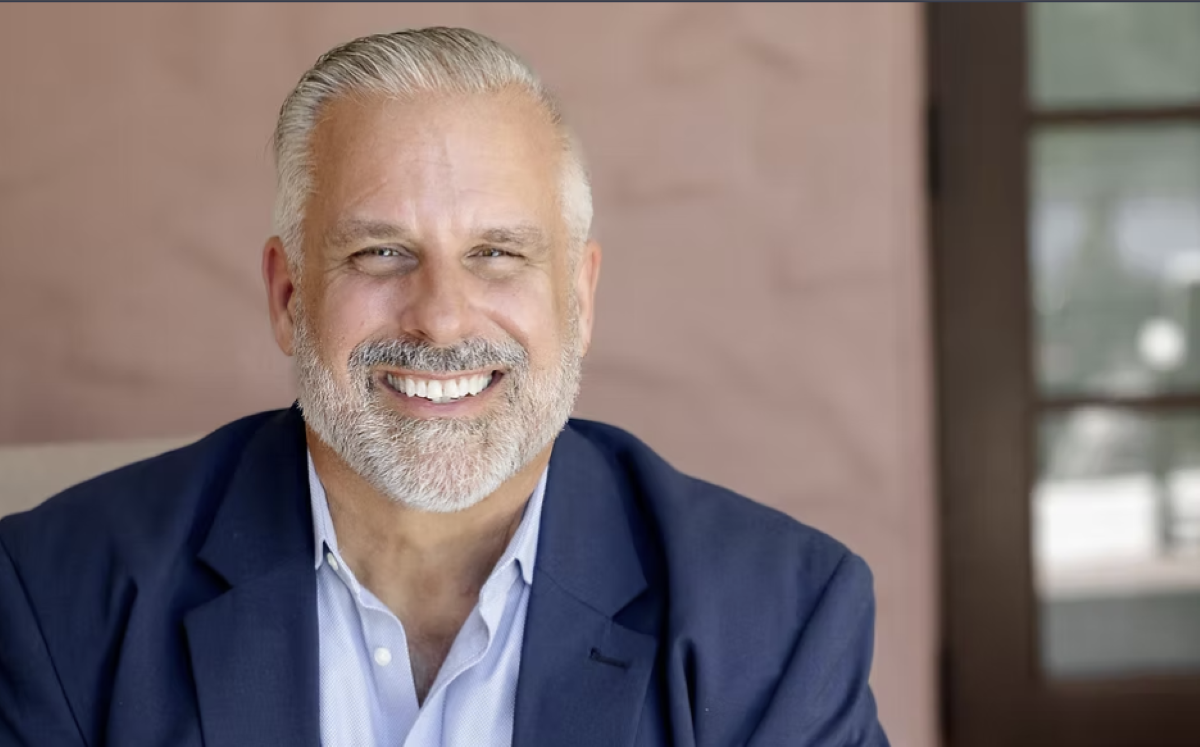
David Potesta spent 35 years operating restaurants, including the family pizzeria his father opened in 1975, still in business today after 51 years. He spent more than a decade as a corporate trainer, working with leadership teams across the country. He now works with restaurant operators and franchise groups to build high-performing workplace cultures.