
By Tracy Morin
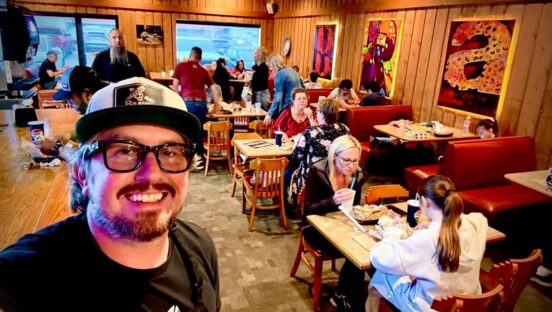
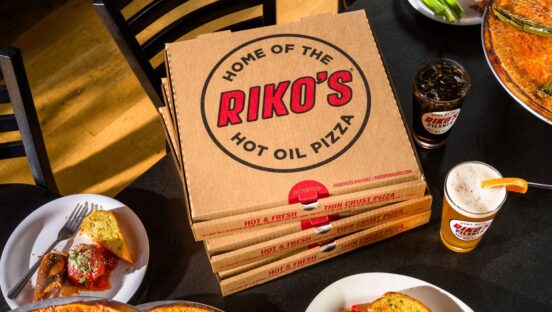
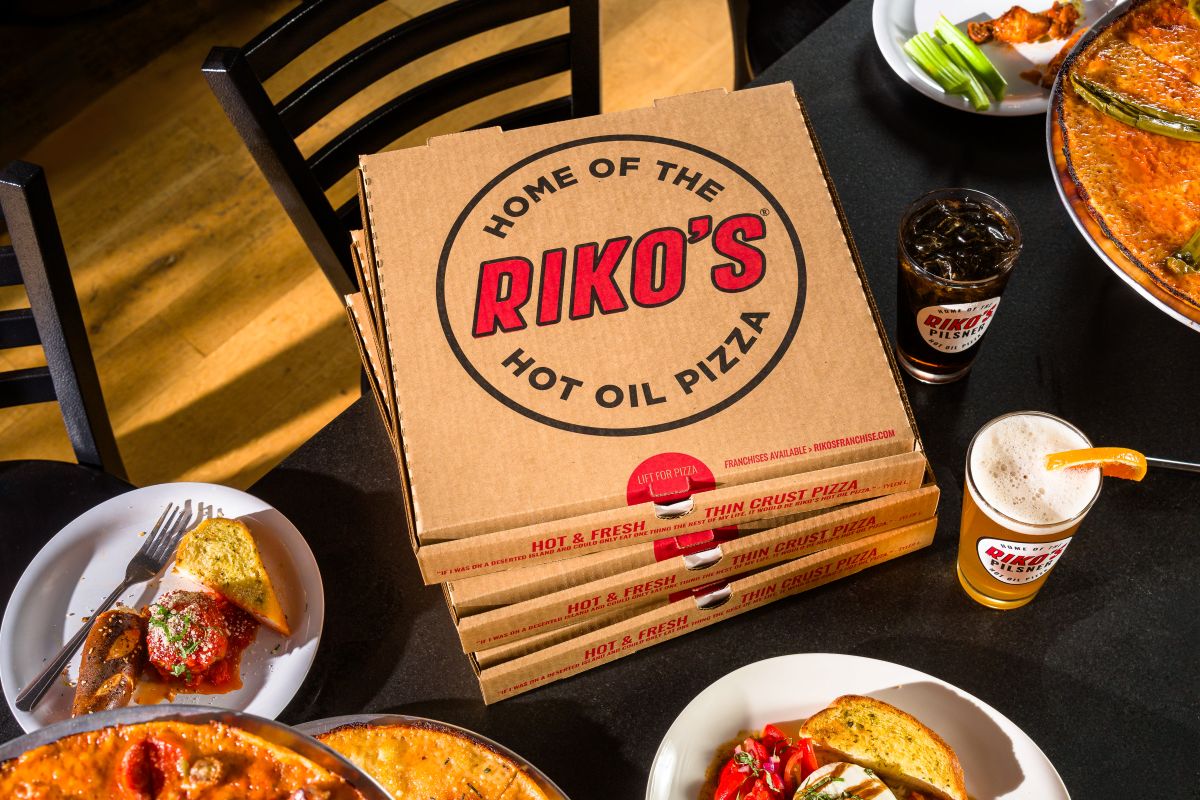
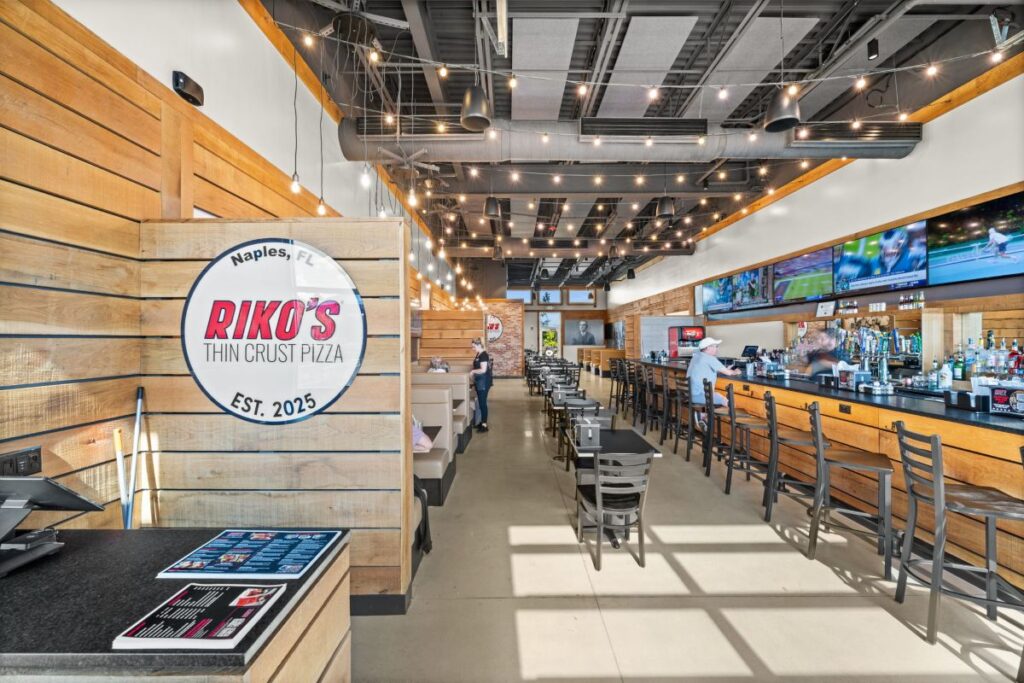
All pizzerias—from multinational conglomerates to mom-and-pops—have to start somewhere. For Riko’s Pizza, established in 2011 in Stamford, Connecticut, that start focused on specializing in tavern-style bar pies with a super-thin crust. Another key feature established by founder Rico Imbrogno has been a family-friendly environment: Each location (its 13th opened in Ridgefield, Connecticut, this summer) features a full sit-down restaurant, separate takeout sections, delivery, and a full bar playing sports on big-screen TVs throughout. Many locations also have designated event spaces or separate rooms for parties and gatherings.
Now fresh off its 15-year anniversary, Riko’s Pizza is entering the next stage of its development—undergoing leadership changes (including restaurant industry veteran Carl Bachmann joining as president and CEO), operational enhancements and menu innovations. And, with 15 consecutive months of positive same-store sales growth, the brand is planning additional expansion in the coming years.
Recently, Bachmann chatted with PMQ about Riko’s evolution and keys to success over the past 15 years, how operations are evolving, and what other pizzerias can learn from its slow but steady growth.
PMQ: As you reflect on Riko’s 15-year anniversary, what were the pivotal decisions and priorities that enabled growing from a single-location concept to 13 locations?
Carl Bachmann: One of the smartest decisions Riko’s made was staying true to what made the brand special in the first place. From day one, the business was built around a highly differentiated product—the tavern-style bar pie—and a restaurant experience that guests couldn’t easily find elsewhere. That combination of great food, a strong bar business, sports, hospitality and community has always been at the center of who we are.
We’ve also been intentional about how we grow. Our philosophy is to grow like a bush, not like a vine. In other words, we’d rather deepen our roots in markets where we know we can succeed than chase growth for growth’s sake. That’s why we’ve focused on strengthening our presence in places like Fairfield County and Long Island before jumping into entirely new regions.
The other major factor has been investing in infrastructure. As you grow from a family-owned restaurant into a multi-state restaurant company, you have to build systems that can scale without losing your culture. Over the last two years, we’ve invested heavily in leadership, training, technology, franchise support, supply chain partnerships and real estate strategy. Those investments aren’t always visible to guests, but they’re critical to sustainable growth.
Ultimately, longevity comes down to staying relevant without losing your identity. Trends come and go, but if you consistently deliver a great guest experience and give people a reason to come back, you can build something that lasts.
PMQ: What makes Riko’s stand out in competitive markets—and enter into new markets as you’ve grown?
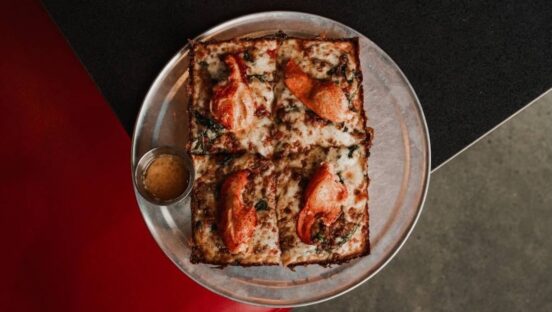
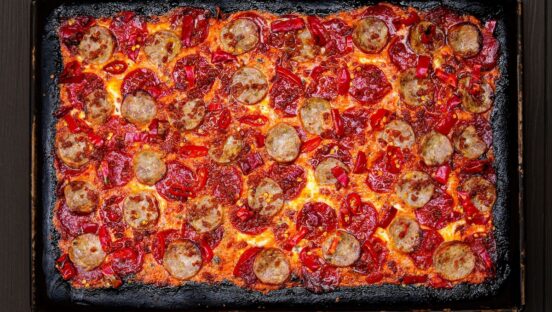
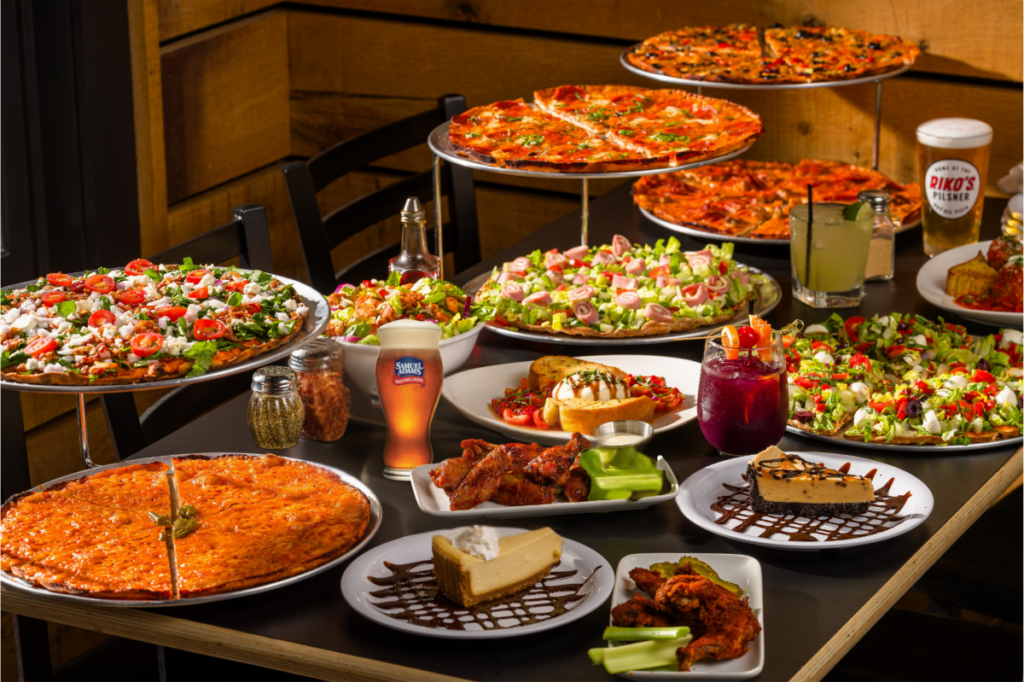
Bachmann: Our pizza is what makes Riko’s unique. The brand was founded to revive and perfect the tavern-style bar pie—a thin, crispy pizza tradition that was once common in neighborhood bars across America. Our bar pies are ultra-thin, packed with flavor and designed for sharing. Guests don’t typically order one pie and call it a night. They order multiple pies, try different toppings, share them with friends and family, and turn the meal into an experience.
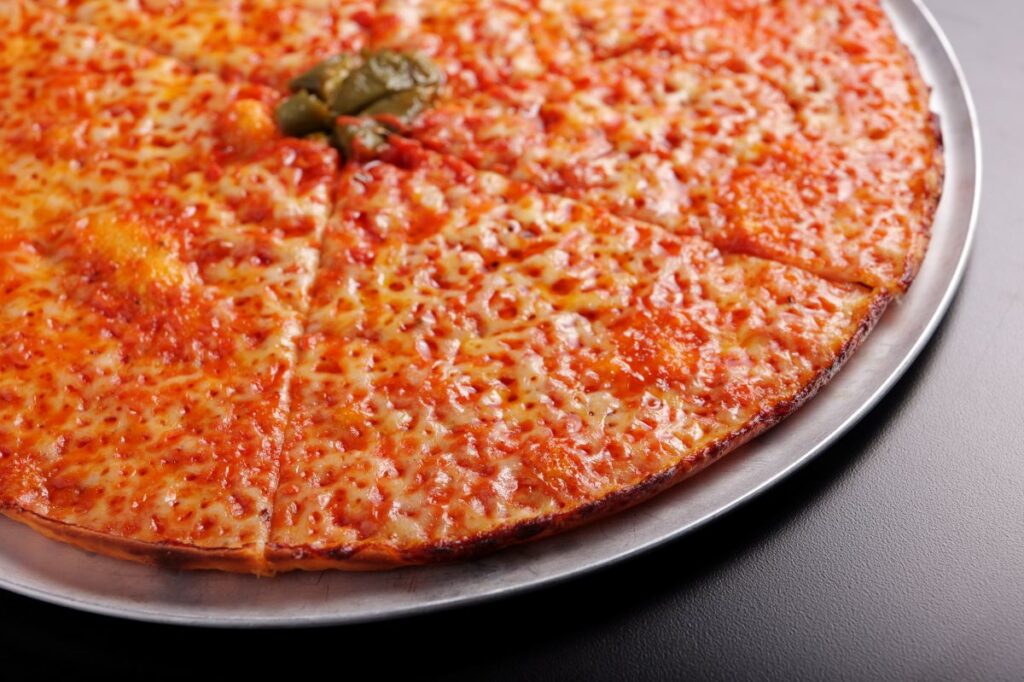
Of course, our Hot Oil Pie has become our signature item and remains a favorite on the menu for many guests. But we’re constantly evolving around that foundation. We regularly introduce new limited-time pizzas, wing flavors, sliders, salads, desserts and beverage pairings that keep the menu fresh while staying true to the brand.
What really sets us apart is that we’re not just a great pizza restaurant. We’re a full-service restaurant and bar built around a highly differentiated product. Guests can come in to watch a game, meet friends for drinks, bring the family to dinner, celebrate a special occasion or grab takeout on the way home. That versatility gives us broad appeal while maintaining a very clear identity. In an industry where many brands are starting to look and feel the same, we’ve found that consumers respond to concepts that know exactly who they are.
PMQ: How else do you attract new and existing customers, as well as give back to your local communities?
Bachmann: We’ve always believed that the best marketing starts with creating an experience people want to talk about. One recent example was our April Fools’ campaign, in which we announced we were discontinuing our Hot Oil Pie. The reaction was immediate. Guests flooded our social media channels, called restaurants and even reached out directly to [our founder] Rico. Thankfully, it was just a joke, and we followed it up with a special promotion. The campaign generated tremendous engagement because it reminded us how passionate our guests are about the brand.
Rico himself is also one of our greatest marketing assets. His personality, energy and authenticity resonate with people, and customers genuinely enjoy hearing from the founder who started it all. In a world where so many brands feel corporate, that personal connection matters.
At the same time, we’re deeply committed to being part of the communities we serve. We support youth sports organizations, schools, local nonprofits, fundraisers and community events throughout our markets. We believe restaurants should be active participants in their communities, not just businesses that operate within them.
As a growing brand, we try to punch above our weight. We focus on local engagement, digital marketing, social media, public relations, community partnerships and creating memorable experiences that generate word-of-mouth. The goal isn’t simply to attract customers once; it’s to earn the loyalty of guests who come back again and again.
PMQ: How are you celebrating 15 years in 2026?
Bachmann: We’re celebrating our 15th anniversary the best way we know how—by bringing people together. On July 30, we’ll host a Community Block Party at our newest location in Ridgefield, Connecticut, which will also serve as the restaurant’s official ribbon-cutting celebration. The event will feature free food, family-friendly entertainment, giveaways, and a chance for us to thank the guests, team members, franchisees and community partners who have helped us reach this milestone.
Fifteen years is something we’re incredibly proud of, but we view it less as a finish line and more as the beginning of the next chapter. This celebration is really about showing appreciation to the people who made the journey possible.
PMQ: What major challenges has the brand faced over the years as Riko’s has grown?
Bachmann: One of the biggest challenges has been growing the business while protecting what made it successful in the first place. It’s one thing to operate a great local restaurant. It’s another to scale that experience across multiple markets while maintaining the same quality, hospitality and consistency that guests expect.
As we’ve grown, we’ve had to invest heavily in people, training, technology, supply chain partnerships and operational systems to ensure the experience remains consistent whether you’re visiting us in Connecticut, New York, Florida or North Carolina.
Like every restaurant operator, we’ve also navigated labor shortages, inflation, supply chain disruptions and rising food costs. The lesson we’ve learned is that while you can’t control external conditions, you can control your culture, your execution and your commitment to the guest experience.
But we’ve proven that a highly differentiated concept can thrive in a crowded and competitive category. We’re not trying to be everything to everyone. We know who we are. We’re particularly proud that, as of April, Riko’s has achieved 15 consecutive months of positive same-store sales growth, including a 7.8% year-over-year increase in April. At a time when many restaurant brands—and pizza brands specifically—are facing significant headwinds, that performance validates our concept, our strategy and the strength of our relationship with our guests.
PMQ: What qualities are you looking for in franchise partners, and what support systems have you built to help them succeed?
Bachmann: Franchising has been part of the brand’s vision since its early days. Our first franchise location opened in Levittown, New York, in 2020 and served as an important proving ground for the concept outside of Connecticut. That franchisee’s success helped validate the brand’s scalability and provided valuable insights that shaped many of the systems we use today.
As we continue to grow, we’re looking for experienced operators who understand hospitality and believe in the brand. Riko’s is not a passive investment. It’s a full-service restaurant and bar concept that requires operational excellence, strong leadership and a commitment to delivering a great guest experience.
We’ve spent the last several years building the infrastructure necessary to support franchisees at a high level. That includes training, real estate support, supply chain management, marketing, technology, restaurant openings, menu development and ongoing operational guidance.
We call our corporate team the Riko’s Support Center, and that’s exactly how we view our role. Our job is to provide franchisees with the tools, resources and best practices they need to succeed while helping them preserve the culture and identity that make Riko’s unique.
PMQ: As you mentioned, the pizza industry has faced significant challenges in recent years. What lessons has Riko’s learned about resilience and adaptability that other operators could benefit from?
Bachmann: The biggest lesson we’ve learned is that operators spend too much time worrying about things they can’t control and not enough time focusing on the things they can.
You can’t control inflation. You can’t control labor markets. You can’t control commodity prices. What you can control is your culture, your execution, your leadership, and the experience your guests have every time they walk through the door. That’s why our motto is “If you aren’t serving the guest, you are serving someone who is.”
Additionally, the brands that have performed best through challenging periods are usually the ones that remain disciplined and stay true to their identity. When times get tough, there’s a temptation to chase trends, cut corners or dramatically change who you are. In our experience, that rarely ends well.
For entrepreneurs entering the pizza business today, my biggest piece of advice is simple: Don’t compete solely on price. If you’re trying to be the cheapest pizza in town, somebody will always be cheaper. The pizza category is one of the most competitive segments in foodservice. Success comes from building something memorable and differentiated. Give people a reason to choose you over the countless alternatives available to them.
Most importantly, invest in your people. Great teams create great guest experiences, and great guest experiences create loyal customers. That formula never goes out of style.

PMQ: What’s next for your business, and what opportunities do you believe are emerging for pizza brands in the broader restaurant landscape?
Bachmann: We’re incredibly optimistic about the future. Today, we’re continuing to expand across the East Coast, with several exciting openings on the horizon. That growth starts in our home state of Connecticut, where we’ve opened our seventh in-state location, in Ridgefield. We’ll always be believers in owning our backyard. Connecticut is the pizza capital of the world, and despite our success here, we’re currently only serving Fairfield County. We see significant opportunity to continue growing throughout the state for years to come.
At the same time, we’re continuing to build momentum beyond Connecticut. Later this year, we’ll debut a marquee location in Miami’s booming Wynwood neighborhood, followed by our first university-town restaurant in State College, Pennsylvania, located directly across from Penn State’s campus. We also have several additional locations in development across our pipeline. Along the way, we’re continuing to invest in menu innovation, beverage offerings, technology, franchise support and guest experience enhancements across the system.
Looking ahead, our goal is clear: We want to become the leading bar pie brand in America. We believe consumers are increasingly looking for concepts that offer something unique, authentic and experience-driven. That’s particularly true in pizza, where many brands have become commoditized and are increasingly reliant on discounts and delivery promotions to drive traffic. The pendulum is beginning to swing back toward hospitality, atmosphere and differentiated dining experiences. That’s where we’ve always lived as a brand. We have a highly differentiated product, a proven restaurant-and-bar model, and a passionate guest following. Those are powerful foundations for growth.
The future of Riko’s isn’t about becoming the biggest pizza brand in America. It’s about becoming the leading bar pie brand in America and one of the most distinctive and respected names in the industry.
Tracy Morin is PMQ’s associate editor.