
By Milton Molina, SVP of Operations, Marco’s Pizza
After spending years in operations, I can say that I have never seen this much being invested into tech and AI development. At every trade show there are more and more brands debuting their “newest/hottest” platforms that promise sharper data analysis, a smoother guest experience and tighter operations. Every operator I talk to asks the same question: Will this actually grow my business and make everyday operations smoother?
After spending most of my career on the operations side working directly with franchisees, I can confidently say that not all technology “improvements” are made with the operator in mind. The restaurant industry’s best technology decisions get made when operators drive the agenda, not when IT or corporate teams design solutions and expect everything to work out.
This is not a knock on IT teams, which are often talented and have a well-rounded knowledge of enterprise technology. But there’s a difference between technology that is well-made and technology that actually gets embraced, used and adopted at the store level. Closing that gap starts with who’s in the room when development decisions are happening.
Tech-First Thinking
When technology decisions are primarily driven by what is impressive in a demo rather than by a specific operational problem, the results almost always end in little to no operational adoption. Store teams can get frustrated when being forced to use a tool that doesn’t benefit their business directly. A system that adds steps instead of removing them does not impress franchisees.
I’ve seen this happen many times: A platform gets selected because it has impressive features or a competitor is using something similar. This doesn’t mean the platform is right for your brand. None of that starts with a bad tool. It starts with a bad process for deciding which problem the tool needs to solve, and for whom.
Operators Driving Change
When operators are able to identify a shortcoming or a missed opportunity for development, they have a clear way of thinking about what technology can help move a shift forward or help someone make a better decision faster on the floor. This filtered way of thinking can help franchisors come up with a solution rather than a fancy new tool that no one uses.
My career in IT gave me a lot of insights into the complexity behind the scenes of integrations, security and programming, which are all important facets of building new platforms. My time in operations is what taught me to ask better questions: Will the person running a location actually want to use this tool? If the answer isn’t a clear yes for me, then there is no point moving forward, no matter how sophisticated the tech is.
A shift in mindset is what the industry as a whole needs to consider. Don’t abandon IT’s expertise, but make sure operational reality is what drives the conversation from day one, rather than being restricted once an architecture is already locked in.
Franchisee Collaboration Is the Differentiator
In a franchise system, collaboration matters even more because the owners running the day-to-day operations aren’t corporate employees. They’re local businesspeople and their teams. They have their own instincts as to what their guests and team members need on a daily basis. Technology that ignores the reality of an everyday shift underperforms and erodes trust every time.
The strongest platforms are the ones crafted with franchisee feedback at every stage of the process, not just piloted after the fact. There needs to be open communication so that franchisees can actively share their input on what they need.
Brands that treat franchisee feedback as a formality are the ones that struggle through implementation. Brands need to use franchisee feedback and actively listen to all of their ideas and thoughts in order to grow a platform that will not sit dormant. That is the technology that actually improves over time.
AI’s Real Value
There are a lot of conversations in the QSR space about using AI in restaurants for labor replacement. I understand why that idea is popular, since it would cut labor and training costs, but I think it’s the wrong path to walk down, and it isn’t where I see the real opportunity.
The value of AI in a restaurant isn’t to replace the people or the human contact they provide to our guests. The real value is providing them with faster information and organization tools so they have more time. Real-time insights into what is happening in the store can help an operator make better staffing calls, catch a service issue or spot a profit trend. This doesn’t replace operational judgment, but it can help inform operators with sound data.
There are a lot of trends with AI right now, but the companies that succeed are still investing in their people and don’t just hop on any fad or trend they see. The brands that thrive will be the ones that ask better questions and solve the problems their operators face on a day-to-day basis rather than investing in the flashy programs that no one uses.
Deploying Technology Takes More Than Good Tech
Deployment of technology means everything. Even the right technology can fail if it isn’t initiated the right way. Successful rollouts across a franchise system depend on how well the change is managed and communicated throughout every step.
Franchisees need to understand how a new tool works and why it is being introduced or what problem it is solving. Ongoing, transparent communication is vital throughout a rollout, not just at the beginning, but all the way until everyone feels comfortable and capable of using the tool. Even with genuinely good technology, if you skip the proper steps of implementation, it can lead to frustration, skepticism and low usage. It might even set you up for failure in future developments because of the loss of trust.
Why Does It Matter?
Restaurant brands need to understand that they don’t need the most advanced tech stack, especially if it isn’t working for their brand. Tech needs to be built with a people-first approach, and operators are the people who have the best understanding of what the stores need. Bringing franchisees into decisions from the start is the easiest way to create a lasting platform.
Every franchisor should start by listening directly to what operators and their teams need, then evaluate new technology against that. Does the platform solve a real problem that the stores are having, and did the people who will use it have a say in the design process?
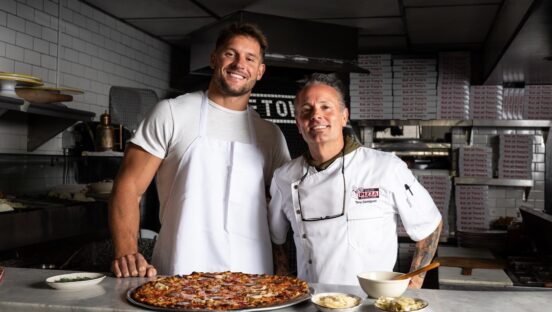
Milton Molina is SVP of Operations at Marco’s Pizza, where he oversees operational strategy across the brand’s franchise system. He previously led the brand’s technology and IT function.